It was a quiet Saturday morning when a faint, rhythmic scraping sound pulled me away from a loose porch hinge. At first, I assumed a stray branch had blown against the railing. I turned around with a screwdriver still in my hand, expecting nothing out of the ordinary.
Instead, the tool slipped straight from my fingers and clattered onto the wood.
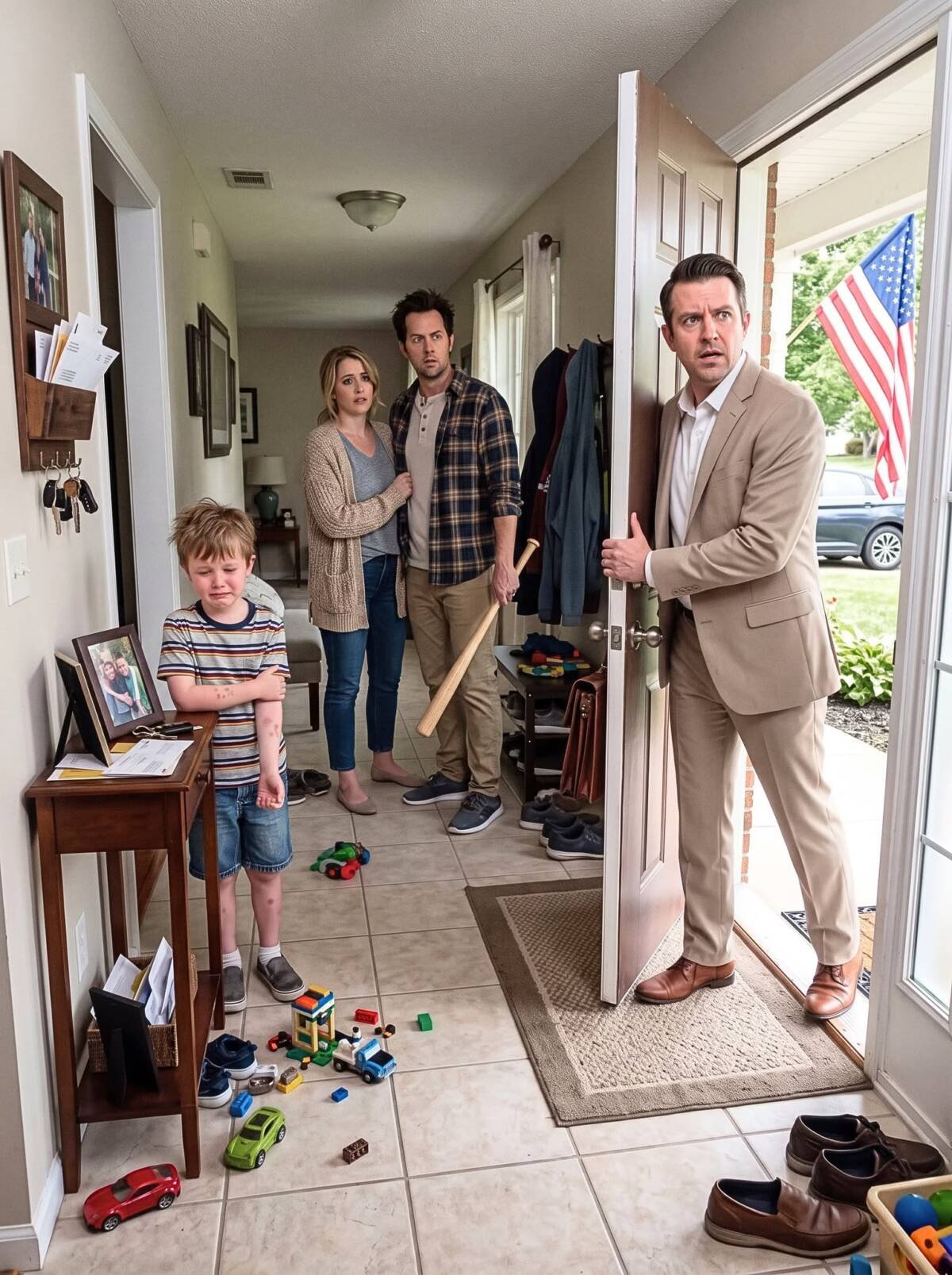
Dragging himself up my front steps was my six-year-old nephew, Drew. His hair was matted with sweat, his small face was gray beneath streaks of dirt, and his arms shook violently under the weight of his own body. Behind him, one leg trailed stiffly at an unnatural angle. Clinging desperately to the back of his torn shirt was his three-year-old sister, Lily, stumbling with every step as she tried to keep up.
They lived seven blocks away. Neither of them should have been anywhere near my house alone.
I dropped everything and ran down the steps just as Drew’s arms finally gave out. When I caught him, he lifted his exhausted eyes to mine and whispered five words that stopped my heart.
“She locked us downstairs again.”
The Longest Seven Blocks
The word again hung in the morning air like a warning bell. It wasn’t a freak accident. It wasn’t a one-time mistake.
Before I could even process what he had said, Drew turned his head toward his little sister, his voice barely above a breath.
“I had to get Lily out. She was really hungry.”
I reached for Lily first because her knees were buckling beneath her. The moment I lifted her, a cold wave of dread washed over me. Beneath her oversized, dirty shirt, she felt frighteningly light—far too light for a three-year-old.
Setting her gently on the porch, I scooped Drew into my arms, cradling his injured leg as carefully as I could. Even as I shifted his weight, he didn’t cry out. He simply clenched his jaw and let out a tiny, shuddering breath, as if he had already learned that making noise wouldn’t help.
I carried both children inside and settled Drew onto the living room couch, wrapping them in the warmest blankets I could find. They were both trembling—not from the weather, which was mild, but from sheer exhaustion and fear.
Lily’s eyes immediately locked onto a half-opened sleeve of saltine crackers sitting on the coffee table. Before I could even stand up to get her a plate, she scrambled toward them, stuffing crackers into her mouth so fast I feared she might choke.
I stepped forward to steady her, but Drew beat me to it. Ignoring his own pain, he leaned over the edge of the cushions and gently rubbed circles on her back.
“Slow, Lily,” he murmured. “Slow.”
In that single moment, I understood more than either child had the words to explain. Drew was six years old, badly injured, and on the verge of collapse—yet his only instinct was to make sure his little sister didn’t eat too fast.
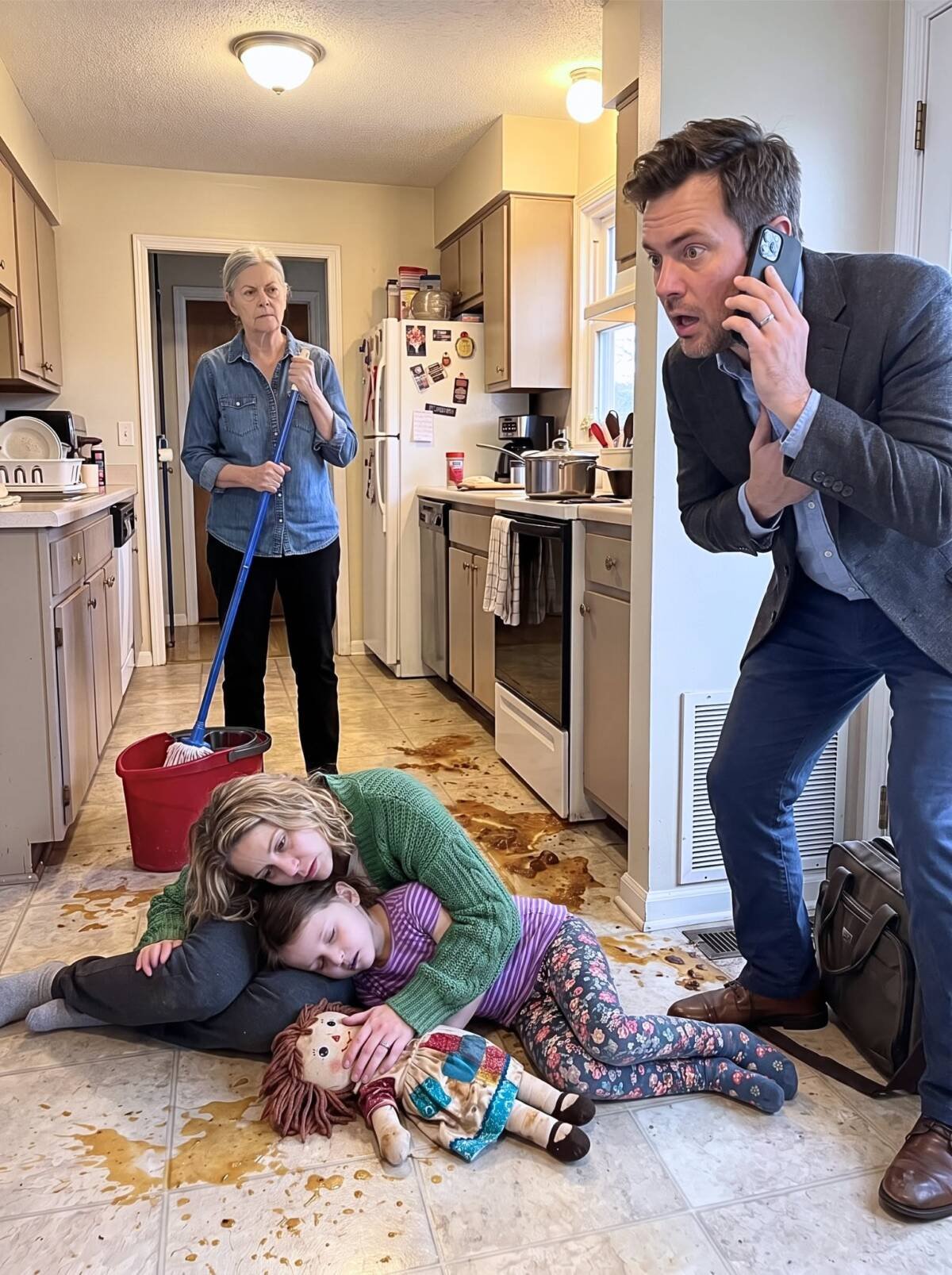
I pulled my phone from my pocket. Whatever story their stepmother, Reena, was going to tell later didn’t matter right now. These kids needed a hospital.
“I’m calling for help,” I told him softly.
Instead of relief, pure panic flashed across Drew’s face.
“She’ll be mad.”
I knelt directly in front of him, making sure he could see my eyes.
“She is not touching you again,” I promised. “Not ever.”
I dialed 911 and gave the dispatcher everything I could see: a six-year-old boy with a severe leg injury, a three-year-old girl who appeared weak and malnourished, and the chilling statement that their stepmother had locked them in the basement.
Three Years of Carefully Built Walls
Reena hadn’t been a stranger to our family. Three years earlier, my younger brother, Aaron, had suffered a sudden, fatal heart attack at just thirty-five years old. He left behind Drew, who was only three at the time, and Lily, who was still a baby, in the care of his wife.
In the months after Aaron’s funeral, I did everything I could to stay close without overstepping. I called every week. I offered to drop off groceries, mow the lawn, or watch the kids so Reena could rest. I never missed a birthday or a holiday.
At first, she accepted the help. Then, slowly, the excuses began.
“They had a really rough night, Peter. Maybe next week.”
“Drew isn’t feeling social today.”
“Lily’s down for a nap. I don’t want to wake her.”
Whenever I showed up at the front door with gifts or groceries, Reena would step outside, close the door behind her, and thank me warmly before sending me on my way. Eventually, she offered the one explanation that made me stop pushing.
“You look so much like Aaron,” she told me one afternoon, her voice soft and sympathetic. “Every time you come around, it upsets them. You remind them too much of their father.”
I believed her. It sounded painfully reasonable. The last thing I wanted was to reopen a wound for two children too young to understand why their dad was gone. So I stepped back. I kept calling, kept sending presents, and kept respecting the boundaries she drew.
Sitting in my living room now, watching Lily eat dry crackers as if they might vanish at any second, every one of those polite phone calls felt like a betrayal. I hadn’t been respecting a grieving mother’s boundaries. I had been respecting a wall built specifically to keep me from seeing the truth.
The X-Ray That Changed the Question
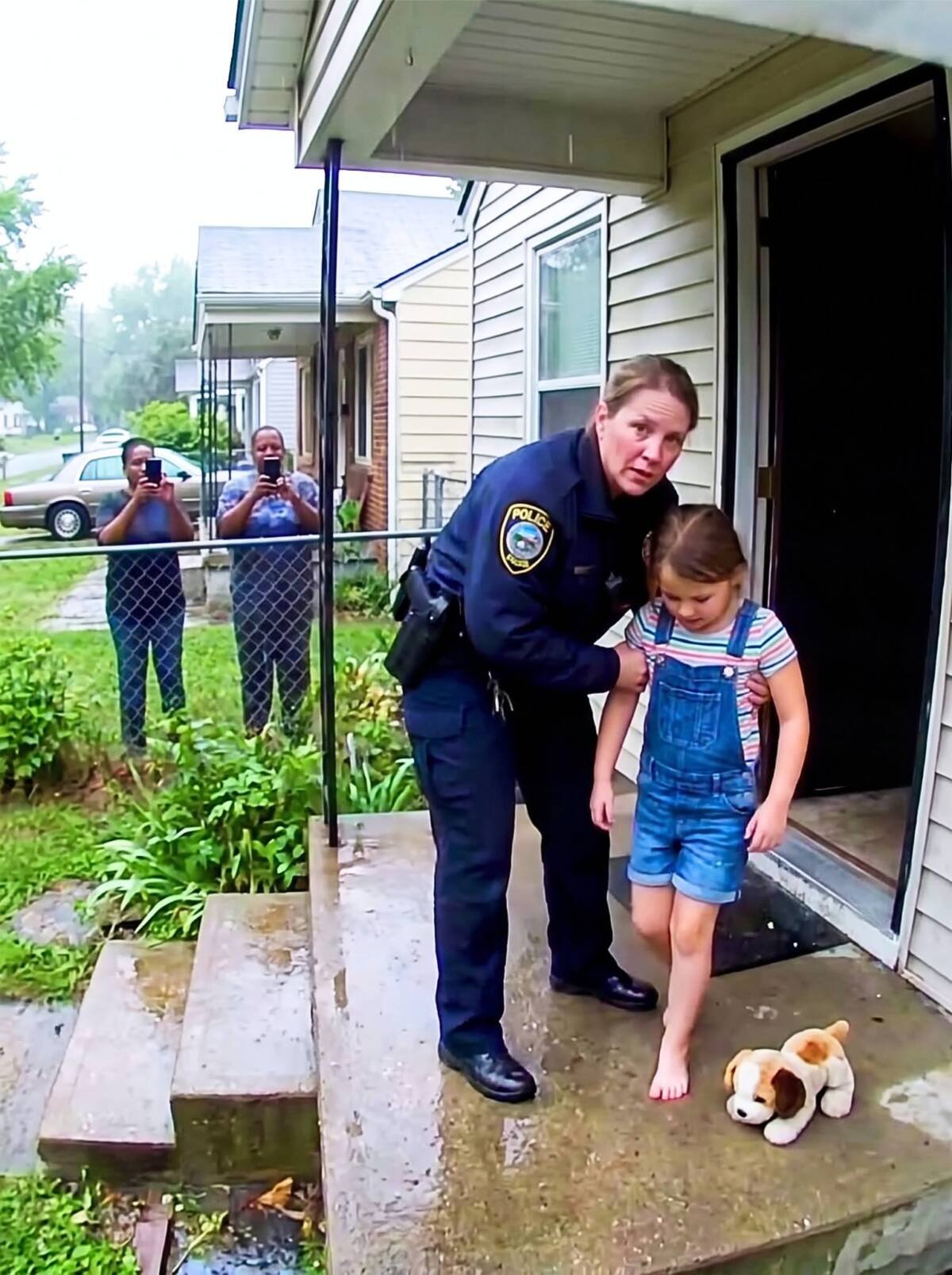
Paramedics arrived within minutes. They stabilized Drew’s leg with a splint and immediately began checking Lily’s vitals for dehydration. Two police officers followed closely behind, taking down Reena’s address—the same house where I had stood on the front steps dozens of times, accepting excuses while my nephew and niece were just on the other side of the door.
I followed the ambulance to the hospital. Drew was wheeled straight into imaging for X-rays, while Lily was taken to a pediatric room for IV fluids and bloodwork. Left alone in the waiting area, I paced the linoleum floor, replaying every unanswered text and every rejected visit.
What haunted me most wasn’t just Drew’s injury—it was his demeanor. He didn’t act like a normal six-year-old who had been through a scary morning. He acted like a tiny caretaker who believed his sister’s survival depended entirely on him.
“I had to get Lily out.”
Eventually, a nurse let me sit beside Lily’s bed while we waited for Drew’s results. She looked impossibly small against the white hospital sheets, a clear IV line taped to the back of her hand. I didn’t ask her any questions. She didn’t need another adult demanding answers from her; she just needed someone to sit quietly and hold her hand.
When the attending physician finally stepped into the room holding Drew’s chart, I stood up immediately. Up until that second, I had assumed Drew had broken his leg climbing out of the basement or tumbling on the pavement during his seven-block crawl to my house.
“Mr. Calder?” the doctor asked.
“Yes. How is he?”
The doctor glanced down at the tablet in his hands before meeting my eyes. His expression was grave.
“The X-ray tells us this did not happen today.”
For a moment, the words didn’t register.
“What do you mean? He dragged himself to my house this morning.”
“There are early signs of callus formation—early healing,” the doctor explained quietly. “This fracture is several days old. And there is no indication it was ever immobilized or treated.”
My stomach dropped.
Suddenly, this wasn’t just about a terrible morning. My six-year-old nephew had been living inside that house with an untreated broken leg for days—and when he realized no one was coming to help them, he had dragged himself seven blocks on that broken bone anyway.
Behind the Locked Door
The doctor informed me that Lily was severely dehydrated and showed clear signs of ongoing nutritional neglect. Child Protective Services had already been notified, and neither child would be returning to Reena’s custody while investigators built their case.
Outside the room, one of the responding officers updated me on what they had found at the house. Reena’s story had already shifted twice. First, she claimed she had left the children sleeping while she ran to the pharmacy. When pressed, she changed her story, insisting Drew had been sent downstairs for a “time-out” and must have figured out how to unlock the door himself.
“Was the door locked?” I asked.
The officer’s gaze didn’t waver. “From the outside.”
Police had discovered a heavy sliding bolt installed high on the hallway side of the basement door—far out of reach for a six-year-old, let alone a toddler. Inside the dim, unfinished basement were two thin mattresses on the concrete floor, a few tangled blankets, scattered clothes, empty water bottles, and old food wrappers. There was no bathroom. There was no refrigerator.
What they found near the ceiling, however, broke my heart all over again.
A small, ground-level basement window had been forced open from the inside. Caught along the rusted metal frame were streaks of dirt and tiny snags of fabric from a child’s shirt.
“Could he fit through it?” I asked, my voice tight.
“A boy his size could,” the officer said. “Just barely.”
I closed my eyes and pictured it: a six-year-old boy with a days-old broken leg, climbing onto whatever he could find to pry open a stuck window, lifting his three-year-old sister out into the grass, pulling himself through after her, and setting out down the sidewalk toward the only safe place he could still remember.
“What If It’s Gone Tomorrow?”
When I was finally allowed into Drew’s room, his leg was securely casted and elevated on pillows. He looked pale against the bedding, but the moment I walked through the door, he didn’t ask about his cast or complain about the pain.
“Is she getting food?” he asked immediately.
“Yes, buddy. She is.”
“Enough?”
I had to swallow hard before I could answer. “More than enough.”
A few minutes later, a nurse brought him a tray with soup, fruit, and a small pack of crackers. Drew stared at the tray for a long time before pointing to the crackers.
“Can I save those?” he asked.
“For later?”
He shook his head. “For Lily.”
“Lily has her own food, Drew. The nurses are taking great care of her.”
He looked down at the blanket, his small brow furrowed with a worry no child should ever carry.
“What if it’s gone tomorrow?”
I pulled my chair right up to the edge of his bed and took his small hand in mine.
“There will be food tomorrow,” I told him firmly. “And the day after that. And the day after that.”
“For Lily too?”
“For both of you. Always.”
Only then did he slowly peel open the wrapper.
Later that afternoon, the nurses wheeled Lily into Drew’s room for a visit. Drew’s entire body remained tense until his little sister climbed onto the edge of his bed and proudly listed everything she had eaten.
“Chicken,” she said, holding up one finger. “And apples. And pudding.”
A social worker sat quietly in the corner, observing the interaction without pushing either child. Lily chatted happily about the crackers she had eaten at my house, then casually added, “Uncle Peter has food upstairs.”
“Do you like eating upstairs?” the social worker asked gently.
Lily nodded. “Downstairs doesn’t have food.”
Drew’s head snapped toward her. “Lily,” he whispered. There was no anger in his tone—only sheer terror.
“Drew, nobody is in trouble for talking here,” the social worker reassured him softly. “You’re safe.”
He stared at his hands. “She’ll know.”
“Reena isn’t here, sweetheart.”
“She always knows.”
For the first time since he had collapsed on my porch, the brave little protector vanished. His shoulders shook, his eyes filled with tears, and he looked like what he truly was: a terrified, exhausted six-year-old boy.
The social worker gently tried to steer the conversation to something lighter, but Lily looked up and added one more quiet detail.
“When we ask for dinner, Reena turns the light off.”
“Which light, honey?”
“Downstairs.”
“And when does she turn it back on?”
Lily gave a tiny, matter-of-fact shrug. “When we’re good.”
Drew gripped the hospital blanket so tightly his knuckles turned white. Fury burned in my chest, hot and suffocating, but I forced myself to stay calm. These children had spent long enough managing an adult’s temper. They weren’t going to manage mine.
The Phone Call and the Closet of Lies
Later that evening, my phone buzzed in my pocket. Reena’s name flashed across the screen.
My first instinct was to reject the call, but an officer standing near the nurses’ station nodded toward me. I answered and put her on speakerphone.
“Peter, thank God,” Reena’s voice came through, breathless and polished. “The police are treating me like a monster. It was a complete misunderstanding. Drew had an accident.”
“When?” I asked evenly.
“This morning. He slipped on the basement stairs.”
I kept my voice steady. “The doctor says his fracture is several days old, Reena.”
For several seconds, there was dead silence on the other end. When she spoke again, the warmth was gone.
“You don’t understand Drew,” she snapped. “He lies constantly. Ever since Aaron died, he’s been impossible. He knows exactly how to manipulate adults.”
Through the glass window of the hospital room, I watched my six-year-old nephew carefully tear his dinner roll in half and set the larger piece on Lily’s tray.
“He’s six,” I said quietly.
“You haven’t been here, Peter! You don’t know what it’s like raising two kids alone!”
She launched into a frantic defense: the basement was just a “playroom,” the lock on the outside was “childproofing” because Drew wandered at night, and the empty wrappers proved they were being fed. Every horrifying piece of evidence was smoothly repackaged as a misunderstanding.
“You told me seeing me reminded them of their father,” I interrupted.
“They were grieving!”
“Did Drew ever tell you he didn’t want to see me?”
Silence.
“You told me what they wanted because you knew I’d respect it,” I said, my voice dropping low. “And you’re right—I don’t know what it’s like to raise two kids alone. But I know what it looks like when a six-year-old crawls seven blocks on a broken leg because staying in your house terrifies him more than the pain.”
The line went dead.
The next morning, the investigation widened rapidly. School records revealed that Drew had missed weeks of first grade, with Reena repeatedly calling him in sick while ignoring requests for doctor’s notes. Lily’s daycare reported that her attendance had steadily dropped until Reena pulled her out completely. Slowly, methodically, she had erased both children from every place where another adult might have noticed something was wrong.
Then, police executed a search warrant at the house.
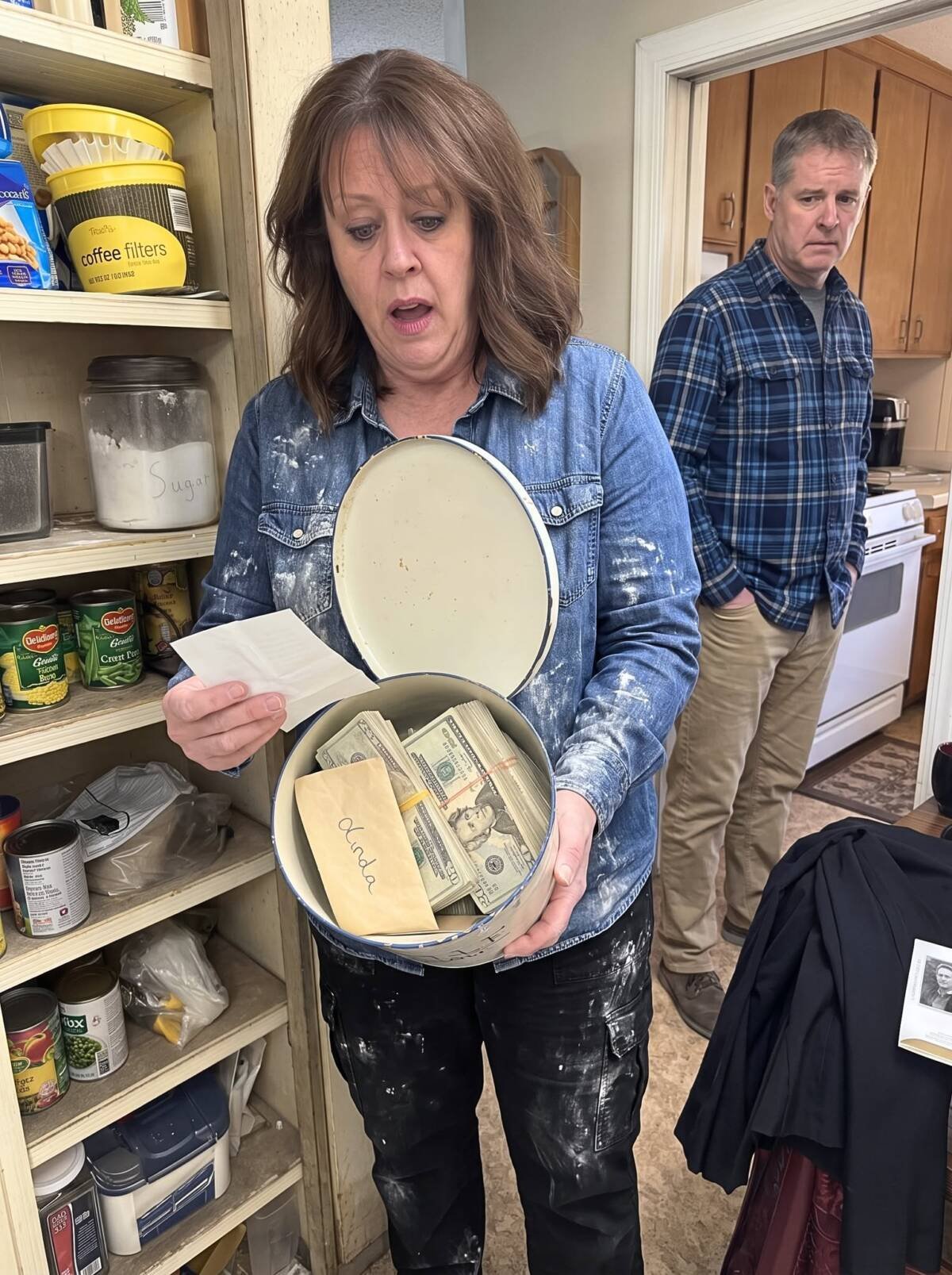
Inside a locked upstairs hallway closet, investigators found stacks of cardboard boxes and gift bags. When they showed me the photos, my breath caught in my throat.
They were mine.
Every birthday present. Every Christmas package. The red dump truck I had bought for Drew’s fourth birthday. The plush gray elephant I had picked out for Lily. Dozens of cards containing old photographs of Aaron and me as boys. Almost all of them were still sealed.....