Most parents know the quiet guilt of silencing a phone call during an important workday. For one father, answering his four-year-old son’s second call in the middle of a quarterly meeting didn’t just interrupt his afternoon—it set off a race against the clock that saved his child’s life.
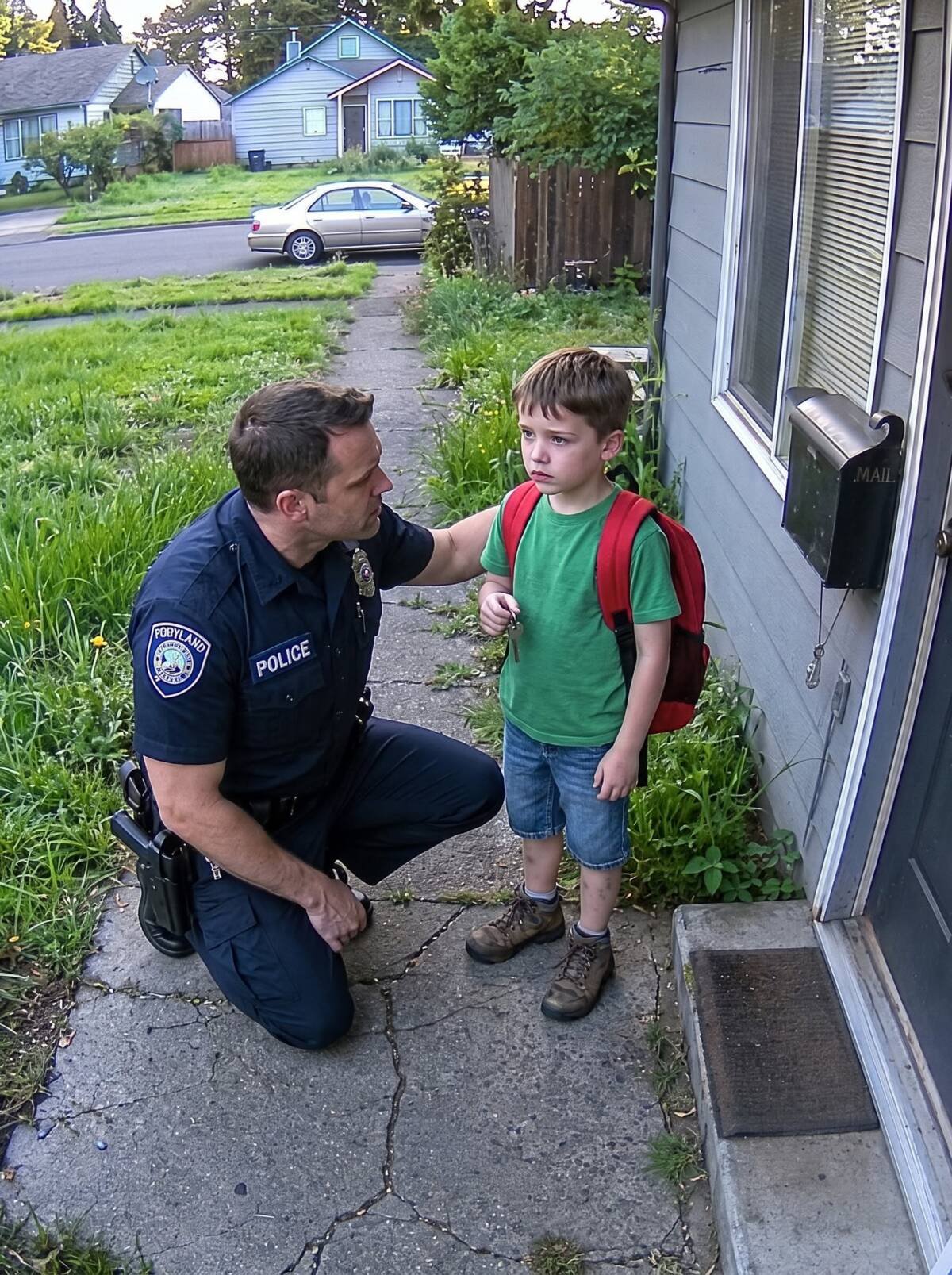
When you teach a young child the rules of the world, you never expect those rules to become the exact thing that alerts you to danger. My son, Noah, was four years old, and he treated promises like absolute laws. If I told him Daddy was working and couldn’t talk until evening, he respected it. He never called me at the office just to chat.
So when my phone vibrated on the conference table during a Thursday afternoon budget review, I didn’t think twice about silencing it. Three seconds later, it buzzed again. That second call changed everything.
The Call That Broke Every Rule
I had worked at the same logistics company for nearly eight years. It was the kind of steady, predictable career that kept food on the table and gave me the flexibility I needed to co-parent after my divorce. On that Thursday afternoon, I was sitting in a glass-walled conference room with six colleagues, reviewing quarterly shipping projections, when my phone lit up beside my notebook.
Noah’s name flashed across the screen, accompanied by the photo I’d set as his contact picture—him grinning on his first day of preschool, wearing a bright green dinosaur backpack that was almost as big as he was.
My first instinct was simple: he probably wanted to tell me about a drawing he’d made, or ask if we could go to the park that weekend. I pressed the side button to silence the ring, making a mental note to call him back during the break.
Three seconds later, the phone vibrated again.
The same name. The same smiling photo.
A cold, quiet alarm went off in the back of my mind. Noah had never called me twice while I was at work. Not once. Even at four years old, he understood boundaries better than some adults. If he was calling back immediately, something was seriously wrong.
“I’m sorry,” I said, cutting off a colleague mid-sentence. “I have to take this.”
I didn’t wait for a response. I grabbed my phone, pushed back my chair, and hurried out into the hallway, swiping to answer before the third ring finished.
For the first few seconds, there were no words. All I heard were small, shaky breaths—the kind a child makes when they are trying desperately not to cry out loud.
“Hey, buddy,” I said, keeping my voice low and steady as I walked briskly toward the elevator. “What’s going on? Noah? Talk to Daddy.”
“Daddy…” His voice was barely a whisper. “Please come home.”
Every background sound in the office—the hum of the fluorescent lights, the distant chatter of coworkers—faded into nothing. I jabbed the elevator button, forcing my mind to stay sharp. Panic wouldn’t help him. Whatever was happening on the other end of the line, Noah needed his father thinking clearly.
“I’m coming, buddy,” I promised. “Where’s Mommy?”
“She’s gone.”
“Gone where?”
“I don’t know.”
My pulse hammered against my ribs, but I kept my tone calm. “Okay. Who’s there with you?”
There was a brief, heavy silence, broken by a quiet sob. Then my four-year-old son said the words no parent is ever prepared to hear.
“Mommy’s boyfriend… Travis hit me.”
I froze for a fraction of a second as the elevator doors slid open. “What?”
“He hit me with the baseball bat,” Noah whispered, his voice trembling. “My arm hurts really bad. He said if I cry… he’ll hit me again.”
My brain struggled to process the sentence. A four-year-old. A baseball bat. Before I could ask if he was somewhere safe, an angry, booming male voice cut through the speaker.
“Who are you talking to? Give me that phone!”
Noah let out a terrified scream. Then the line went dead.
I stared at the blank screen for two seconds before sprinting toward the parking garage. I left my laptop, my notebook, and my jacket sitting in the conference room without a second thought.
The Race Against the Clock
The moment I threw open the door of my truck and started the engine, I realized the brutal math of the situation: I was at least twenty minutes away from my ex-wife Lena’s house, and afternoon traffic was already building. Twenty minutes was an eternity.
I needed someone closer. I dialed my younger brother, Derek.
Derek lived fifteen minutes from Lena’s neighborhood, and more importantly, he was the calmest person I knew in a crisis. He picked up on the second ring.
“Everything okay?” he asked.
“No. It’s Noah.”
“What happened?”
“He just called me from Lena’s house. He said Travis hit him with a baseball bat. Then Travis grabbed the phone and hung up.”
There was a half-second of dead silence on the line as Derek absorbed the words. When he spoke again, every trace of casualness was gone.
“I’m fifteen minutes from Lena’s place. I’m going.”
“I’m twenty minutes out,” I said, peeling out of the parking garage.
“I’m already in the car. Moving now.”
“Call me the second you pull up.”
“I will.”
The instant we hung up, I dialed 911. I gave the dispatcher Noah’s name, Lena’s address, and every detail of the call, emphasizing that Travis might still be inside the house with a weapon. The dispatcher assured me officers were being dispatched immediately and strongly warned me not to confront Travis alone.
Driving through the city felt like moving through wet cement. Every red light, every slow-moving delivery truck, every second ticking by on the dashboard clock felt like a personal threat. My mind kept flashing to small, ordinary details of Noah’s life—his dinosaur blanket, his plastic T-ball glove, the way he carefully lined up his little blue sneakers by the front door every night.
Lena and I had been divorced for nearly a year. It had been a relatively peaceful split, built on the shared understanding that Noah always came first. That peace had started to fracture three months earlier, when Lena began dating Travis.
I couldn’t point to a single dramatic incident at first, just a quiet unease. I didn’t like the way Travis watched Noah during custody handoffs—less like a supportive adult and more like someone tolerating an inconvenience. When I brought it up to Lena, she had dismissed my concerns immediately.
“You’re just jealous,” she had told me.
“I’m worried,” I’d replied.
“About what?”
“I don’t know yet. Something just feels off.”
“You’ve already decided you don’t like him.”
To keep the peace and avoid turning my gut feeling into a custody battle, I had backed off. Now, gripping the steering wheel so hard my knuckles turned white, I couldn’t stop wondering if staying quiet had been the worst mistake of my life.
At exactly 1:27 p.m., my phone rang. It was Derek.
“I’m here,” he said.
“What do you see?”
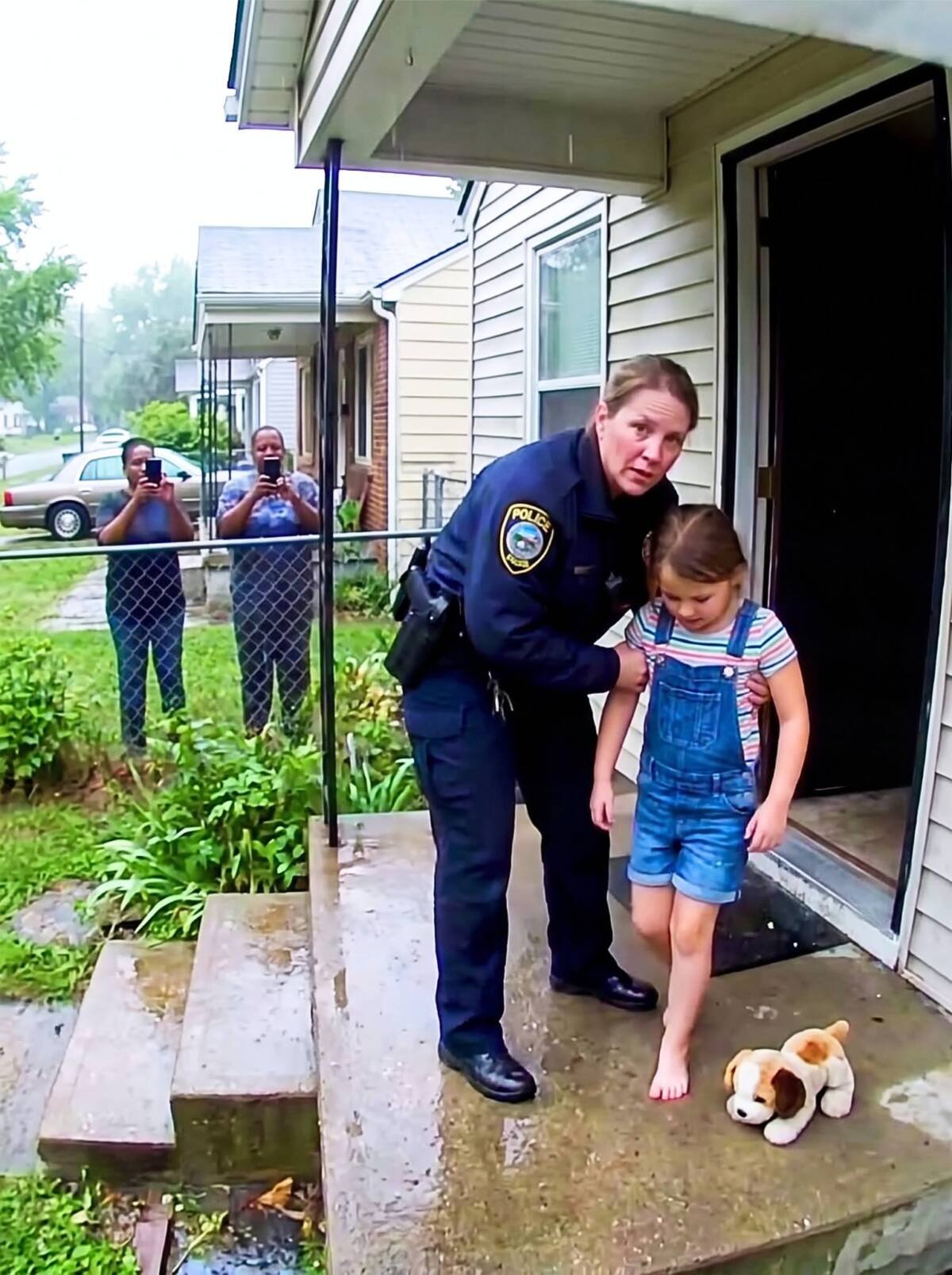
“I just pulled up to the curb. The front door is partly open. Noah’s little blue sneaker is lying on the porch.”
My stomach dropped. “One shoe?”
“Just one.”....