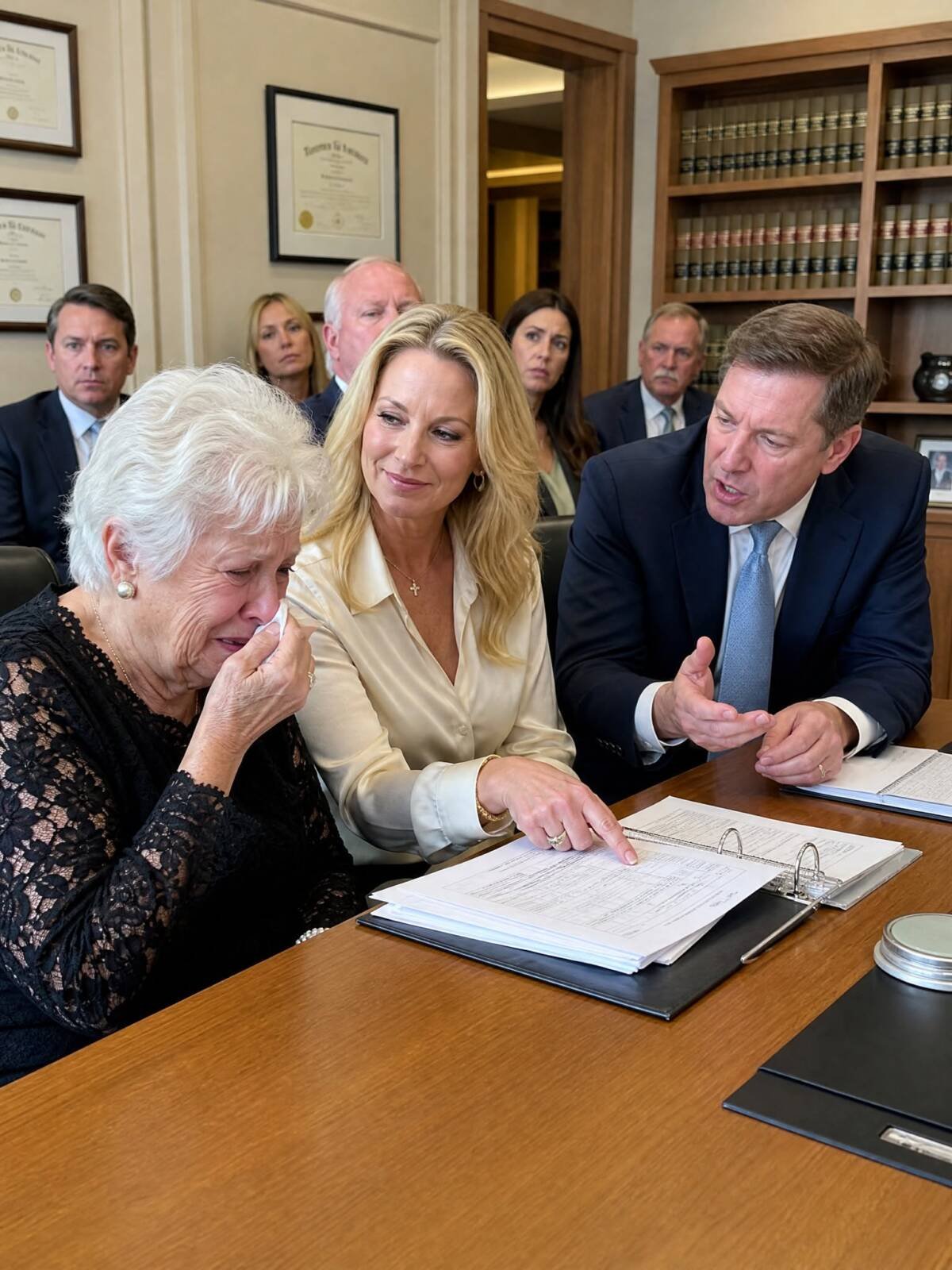
Woman Endures 40-Year Marriage With Husband’s Affair for Health Insurance
A Woman’s Heartbreaking Choice for Survival
At 62 years old, a woman identified only as “Jane” (a pseudonym to protect her privacy) revealed the painful decision she made to endure her husband’s long-term affair rather than risk losing his health insurance. For 40 years, she remained in a marriage where she felt emotionally sidelined, all to secure the medical coverage she believed was essential for her survival.
The Unspoken Sacrifice
Jane’s story, shared in a recent interview, highlights the devastating trade-offs some individuals face when navigating marriage, infidelity, and financial dependency. She described how her husband’s affair with another woman became an open secret within their relationship—one she chose not to confront for fear of losing the stability his employment provided.
“I knew about the other woman for years,” Jane said. “But I convinced myself that as long as he kept his job, I could keep my health insurance. Without it, I wouldn’t have been able to afford the medications and treatments I needed.”
The Health Insurance Dilemma
Jane’s reliance on her husband’s employer-sponsored health insurance was not just a matter of convenience—it was a lifeline. Diagnosed with a chronic condition in her 50s, she faced mounting medical bills that would have been impossible to manage on her own. Divorce, she feared, would leave her without coverage, forcing her into a precarious financial and medical situation.
According to a 2023 study by the Kaiser Family Foundation, nearly 155 million Americans rely on employer-sponsored health insurance. For many, especially those with pre-existing conditions, losing coverage can mean delayed or denied care, financial ruin, or even death. Jane’s story underscores the harsh reality faced by those who feel trapped in unhappy or unhealthy relationships due to systemic gaps in healthcare access.
A Marriage of Convenience
Jane admitted that her marriage had long ceased to be a partnership built on love or mutual respect. Instead, it became a transactional arrangement—one where she tolerated her husband’s infidelity in exchange for security. “I told myself I was being practical,” she said. “But the truth is, I was terrified. Terrified of being alone, terrified of being sick and broke.”
Her husband, who remains unnamed, never formally acknowledged the affair, though Jane said he made no effort to hide it. “He knew I wouldn’t leave,” she said. “He knew I couldn’t.”
The Emotional Toll
While Jane’s story is extreme, it is not unique. Therapists and relationship experts say financial dependency is a common reason individuals stay in unhappy marriages, particularly when health insurance is involved. Dr. Sarah Thompson, a clinical psychologist specializing in marital dynamics, explained that the fear of losing coverage can create a sense of powerlessness.
“For many people, especially women in long-term marriages, the decision to stay isn’t just about love or commitment—it’s about survival,” Dr. Thompson said. “When you factor in health insurance, the stakes become even higher. It’s a brutal calculation.”
A Systemic Issue
Jane’s experience raises broader questions about the U.S. healthcare system and its reliance on employer-based insurance. Advocates for healthcare reform argue that stories like Jane’s highlight the urgent need for policies that decouple insurance from employment, ensuring no one is forced to endure emotional abuse or neglect for the sake of medical coverage.
“This is not just a personal tragedy—it’s a policy failure,” said Diane Reynolds, a healthcare advocate with the nonprofit organization Access to Care. “No one should have to choose between their dignity and their health.”
Breaking the Silence
Jane’s decision to share her story publicly was not an easy one. She hopes that by speaking out, she can shed light on the difficult choices some individuals face and encourage others in similar situations to seek support. “I don’t want anyone else to feel as trapped as I did,” she said. “There has to be a better way.”
For now, Jane remains in her marriage, though she has begun exploring options for independent health coverage. She acknowledges that her situation is far from ideal but insists that her story is not one of victimhood—it’s a call for change.
“I stayed because I had to, not because I wanted to. But I refuse to be silent about it anymore.”— Jane
What Can Be Done?
Experts suggest several steps individuals in similar situations can take to regain autonomy:
- Explore COBRA coverage: Under federal law, individuals who lose employer-sponsored insurance due to divorce may qualify for temporary continuation of coverage, though premiums can be high.
- Research marketplace plans: The Affordable Care Act (ACA) marketplace offers subsidized plans for those who qualify, which may provide a more affordable alternative.
- Seek legal counsel: Consulting a family law attorney can help individuals understand their rights and options regarding spousal support and health insurance.
- Connect with advocacy groups: Organizations like Access to Care and Healthcare-NOW! offer resources and support for those navigating healthcare access challenges.
The Road Ahead
Jane’s story is a stark reminder of the intersection between personal relationships and systemic inequities. While her circumstances are extreme, they reflect the struggles of countless individuals who feel trapped by financial and medical dependencies. As conversations about healthcare reform continue, stories like Jane’s serve as a powerful testament to the urgent need for change.
For Jane, the future remains uncertain. But her willingness to speak out has already sparked important discussions about the lengths people go to for survival—and the policies that force them into such impossible choices.