Introduction: The Anatomy of an Abandoned Hope
There is a quiet, unspoken grief that lingers inside families who love the children they have, yet secretly mourn the child they were forced to surrender.
For eleven years, our home outside Columbus, Ohio, was defined by the beautiful, kinetic chaos of three growing boys—Ethan, nine; Lucas, seven; and four-year-old Henry. Every room bore the unmistakable signature of their energy: miniature die-cast cars tucked into the corners of sofa cushions, abandoned sneakers by the kitchen door, soccer cleats drying on newspapers in the mudroom, and a continuous wall of boisterous laughter that made absolute silence feel foreign.
We loved our sons with an intensity that bordered on fierce. Yet, nestled beneath the joy was a door we had quietly locked and agreed never to open again.
When I was nineteen, long before I ever met my husband, James, I had chosen the name for the daughter I dreamed of raising: Clara. When James and I married, we shared that vision, picturing a little girl who might balance the rough-and-tumble energy of our boys. But after Henry’s emergency delivery via complicated cesarean section four years earlier, my maternal-fetal medicine specialist sat James and me down in a private consultation room.
The diagnosis was unsparing: extensive uterine scarring, vascular fragility, and severe gestational hypertension meant that another pregnancy would pose an imminent, life-threatening risk of uterine rupture and hemorrhage.
I remember desperately bargaining with the doctor, asking about high-risk specialists, bed rest, and experimental monitoring. James had quietly reached across the desk, taken my trembling hands into his own, and spoken the words that ended our dream forever:
“Our three boys need their mother alive far more than we need an idea of a daughter.”
So, we packed the dream away. We tucked a small cardboard box containing a delicate pink hand-knit cardigan and matching booties into the furthest corner of our garage attic. Whenever the subject of donating the box arose, James would say, “Next month.” Eventually, next month turned into years, and we simply stopped speaking the name Clara aloud.
That deliberate silence shattered on an unseasonably chilly Tuesday afternoon at precisely 2:27 PM.
My phone rang while I was wiping down our laminate kitchen countertops. When I answered, James didn’t greet me with his customary warmth. His breathing was shallow, his cadence broken, carrying a weight so heavy it sent a shiver straight down my spine.
“I need you to drive to the hospital right now,” he said.
“James, what happened? Are you hurt? Did something happen to one of the boys?”
“No,” he whispered, his voice cracking under unbearable strain. “The boys are fine. But you need to come to the third floor of St. Jude. There’s a baby girl here.”
I stopped moving, the dishtowel slipping from my fingers. “Whose baby, James?”
A long, suffocating pause stretched across the line before he whispered the answer that altered the trajectory of our lives forever:
“Her mother was Anna. And Anna is gone.”
Act I: The Echo of an Unspoken Dream
To understand the shock of that phone call, one must understand who Anna was in the architecture of our past.
Anna was James’s high school sweetheart and his first serious adult relationship. They had met during their freshman year of college, navigating four formative years together before parting ways amicably in their early twenties when their life paths diverged toward different states. There had been no bitter scandal, no scandalous breakup—simply the quiet realization that their futures ran in parallel rather than together.
When James and I met three years later, he was transparent about his past. Anna was a chapter of his youth that he remembered with genuine fondness and absolute closure. By the time of that Tuesday phone call, James had not spoken to, texted, or received an update from Anna in eleven years. She was a ghost of a previous life, a distant memory belonging to a version of him that existed before mortgages, car seats, and wedding vows.
Yet, as I drove thirty miles an hour over the speed limit through highway traffic, gripping the steering wheel until my palms turned white, my mind raced through every dark, terrifying scenario:
Had James secretly reconnected with her? Had there been an affair? Was the child sleeping in that ward biologically his?
Infidelity has a way of introducing itself into the imagination even within the most trusting marriages. By the time the elevator doors parted on the third-floor maternity ward of St. Jude Memorial Hospital, my chest felt so tight I could barely draw breath.
Down at the far end of the sanitized corridor, bathed in the sterile fluorescent light of the surgical wing, stood my husband.
His coat was still on, his collar rumpled, and his hands shoved deep into his pockets. He was staring at the floor, his broad shoulders heaving with silent, ragged sobs. In eleven years of marriage, through financial struggles, the death of his father, and the terrifying complications of our third son’s birth, I had never seen James look utterly broken.
I walked toward him, my sneakers squeaking against the linoleum.
“James,” I said, my voice shaking. “Look at me.”
He lifted his head. His eyes were red-rimmed, his cheeks stained with dry tears. Behind him, through the large observation glass of an adjoining recovery nursery, sat an acrylic medical bassinet lined with a pale pink thermal blanket. Inside, a tiny infant lay beneath the warm glow of a heat lamp.
“Tell me what is happening,” I demanded, fighting to keep my voice steady. “Tell me right now.”
James reached out, his hand trembling as he gently took my elbow, guiding me to a vinyl bench along the corridor wall.
“She isn’t mine, Sarah,” he whispered immediately, answering the question I had been too terrified to speak. “She is not biologically mine. I swear on our sons’ lives.”
The breath rushed back into my lungs, but the confusion deepened. “Then why are you here? Why did they call you?”
James looked toward the acrylic bassinet, his eyes filling with fresh tears.
“Because Anna died twelve hours ago. And when they asked her if there was a single soul on this earth she trusted to protect her child… our name was the only one she remembered.”
Act II: The Final Choice in the Dark
Over the next forty-five minutes, James walked me through the heartbreaking reality that had unfolded while I had been packing school lunches that morning.
Anna had arrived at the emergency department forty-eight hours earlier, already in advanced labor, alone, and carrying no insurance documentation. She had lived a remarkably solitary life in recent years, working as an independent graphic archivist, having severed ties with her estranged extended family years before.
The labor had progressed rapidly, but during the third stage of delivery, a catastrophic amniotic fluid embolism occurred—a rare, unpredictable obstetrical emergency that triggered sudden cardiovascular collapse and disseminated intravascular coagulation.
The surgical team performed an emergency intervention, delivering a healthy, full-term baby girl weighing six pounds, four ounces. But Anna’s body was failing.
Over the subsequent ten hours in the intensive care unit, the clinical team fought to stabilize her organs. During brief windows of semi-consciousness, hospital social worker Elena Torres sat beside Anna’s bed, attempting to identify next of kin, a biological father, or emergency contacts.
The biological father had been a brief, casual acquaintance who, when contacted by phone by hospital authorities hours earlier, explicitly denied paternity and stated he wanted zero legal or financial involvement with the infant. Anna had no surviving parents, no siblings, and no active local support network.
As Anna’s blood pressure plummeted toward a fatal threshold, Elena Torres leaned over the bed, holding Anna’s cold hand, and asked: “Anna, please listen to me. Who loves you? Is there anyone in the world you trust to keep your daughter safe?”
Anna had opened her eyes, looked through the oxygen mask, and whispered one name:
“James Miller. Find James.”
The hospital records department pulled an ancient electronic database archive from a regional outpatient clinic Anna had visited a decade earlier, where James had been listed as an emergency contact during their early twenties.
When James’s office phone rang at 11:30 AM, he had answered expecting a commercial vendor. Instead, an emergency room physician informed him that a woman he hadn’t laid eyes on in eleven years was dying, and that a newborn infant was about to enter state protective custody unless someone arrived at the bedside.
James had dropped everything, driven across town, and arrived at the ICU thirty minutes before Anna slipped into an irreversible coma.
She could no longer speak, but as James stood beside her bed, holding the hand of the girl he had once loved in another lifetime, her heart monitor showed a momentary deceleration of panic. He had leaned down and whispered: “I’m here, Anna. You aren’t alone.”
Twenty minutes later, Anna was pronounced dead.
Act III: The Acrylic Bassinet
As James finished speaking, the corridor fell into a heavy, reverent silence.
The grief of a stranger had crashed directly through our front door. A thirty-four-year-old woman had passed from this life in cold, clinical isolation, yet in her final, terrifying moments of clarity, she had reached back eleven years to place her trust in the integrity of the man I married.
James looked up at me, his jaw trembling, his posture stripped of any defense.
“The hospital has already initiated the paperwork for Child Protective Services,” James explained quietly. “Within twenty-four hours, if no authorized kinship placement is established, she will be placed in an emergency foster shelter pending county assignment.”....
Related Posts
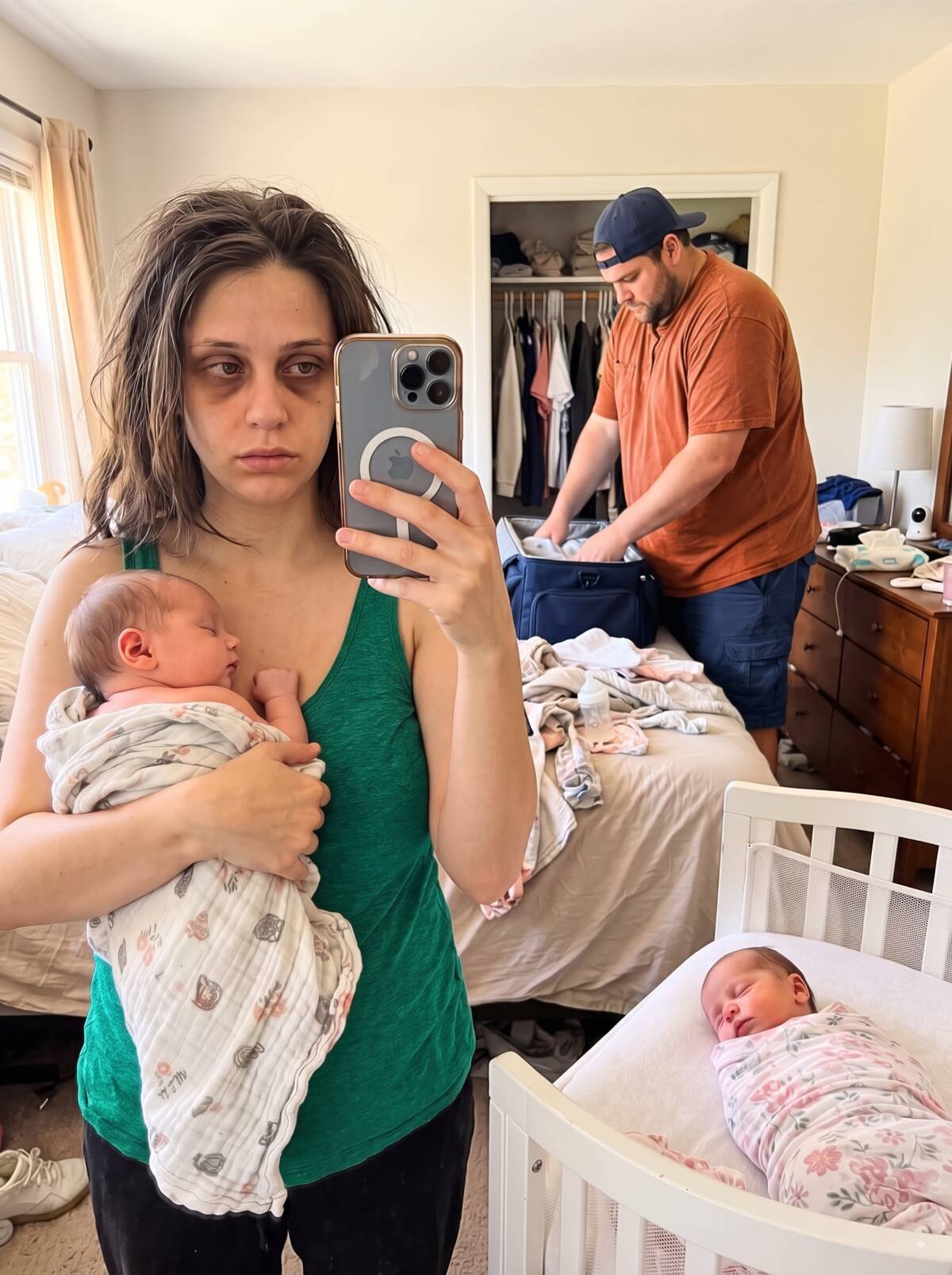
“You Wanted to Be a Mother, So Act Like One”: How a Father’s Secret $2,000 Fishing Trip Shattered a Marriage and Sparked a Public Reckoning
Introduction: The Silence of Maternal Exhaustion Postpartum exhaustion is often treated as an inevitable rite of passage, a private sacrifice that mothers are expected to…
Read more
“That Lady Plays in Your Bedroom, Mommy”: How a 5-Year-Old’s Bakery Whisper Uncovered a Stolen Anniversary Necklace, a $150,000 Fraud, and a 40th Birthday Ambush
Introduction: The Ordinary Tuesday That Ended a Decade In long-term relationships, betrayal rarely announces itself with sirens, explosive confrontations, or obvious red flags. More often,…
Read more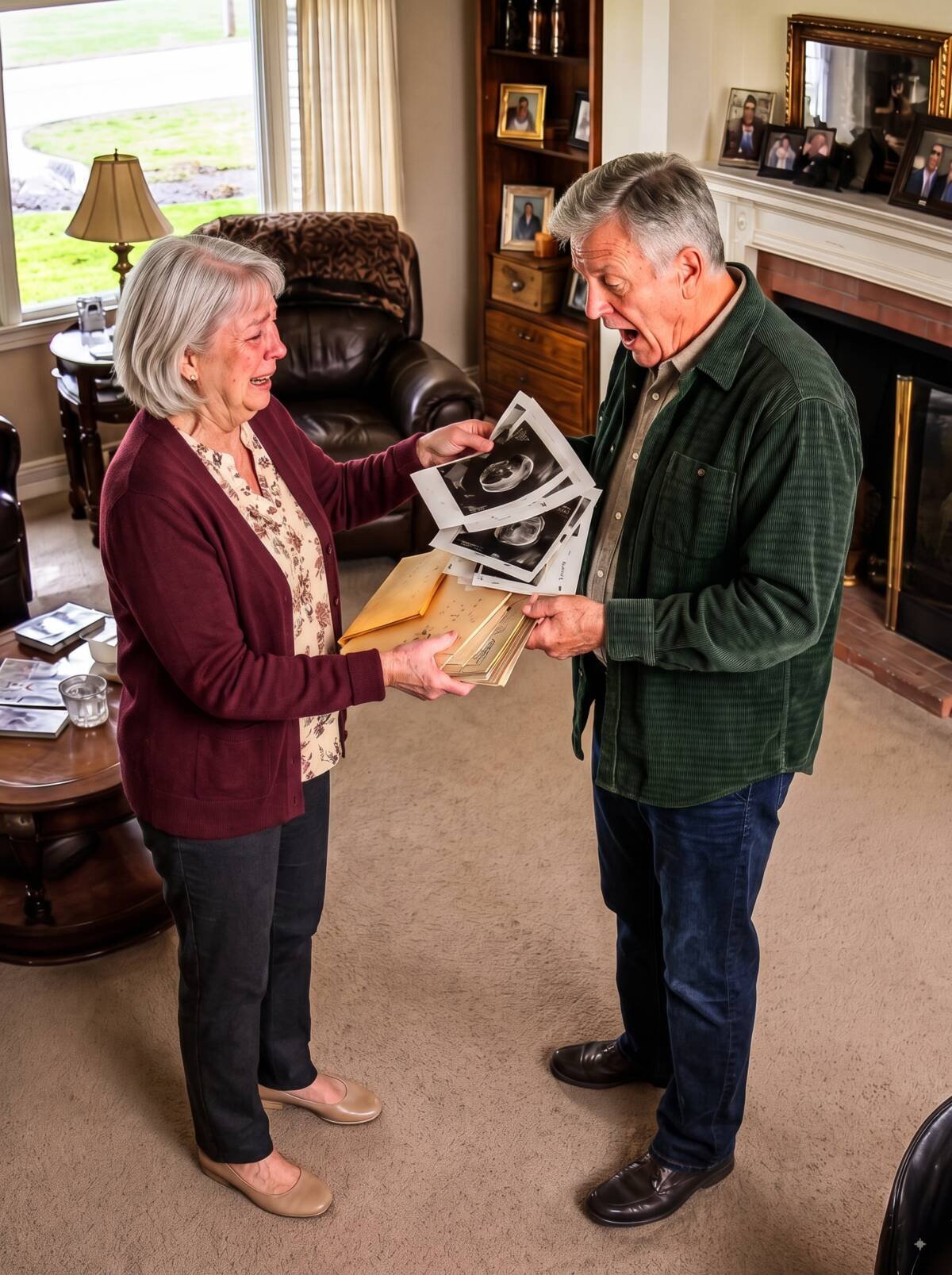
“Ask Your Husband What Happened in 2008”: How a Routine Ultrasound Shattered Eighteen Years of Silent Punishment
Introduction: The Sentence We Never Spoke Aloud There are marriages that end with the violent slam of a door, the bitter division of assets in…
Read more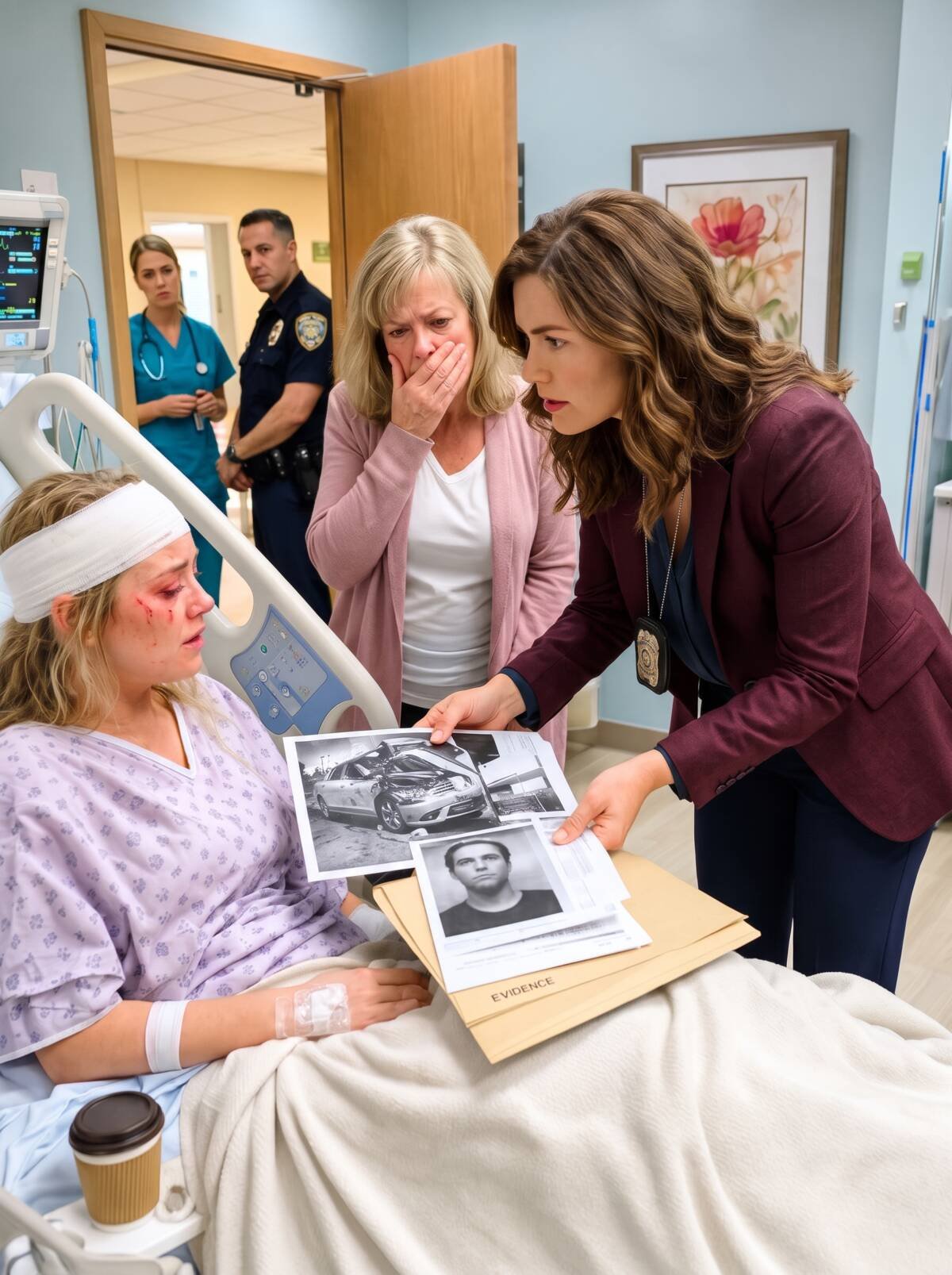
“Mrs. Mercer, Your Getaway Car Awaits”: How a Fatal Wedding-Night Crash Exposed a Mother-in-Law’s Ruthless Plot Over an Inheritance
Introduction: The Sparkler Send-Off and the White Lilies At 10:42 PM on a stormy Saturday in Charleston, South Carolina, forty-five close friends and family members…
Read more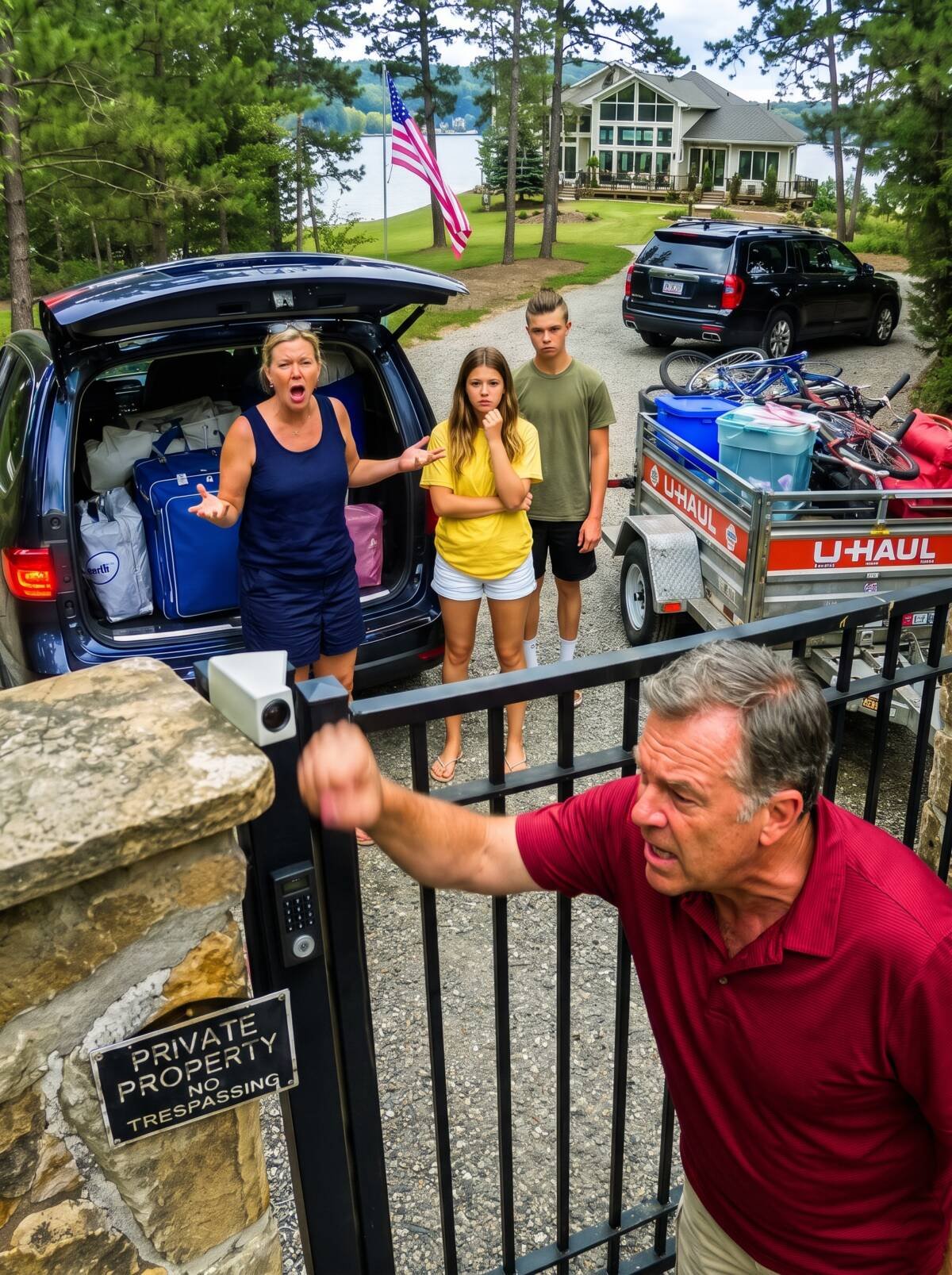
“Open This Gate, You Selfish Parasite!”: How My Parents Turned My $680,000 Lake House Into ‘Communal Property’ Until They Arrived With a U-Haul
Introduction: The Myth of the “Family Asset” In toxic family dynamics, an unspoken rule often governs the high-achieving child: your success does not belong to…
Read more
“You Slipped, Jessi”: How a Pregnant Wife’s Crushed Security Camera Became the Ironclad Video That Convicted Her Husband and Mother-in-Law
Introduction: The Deed on the Marble Counter Domestic coercion and financial exploitation rarely present themselves with open violence at the start. They tend to emerge…
Read more