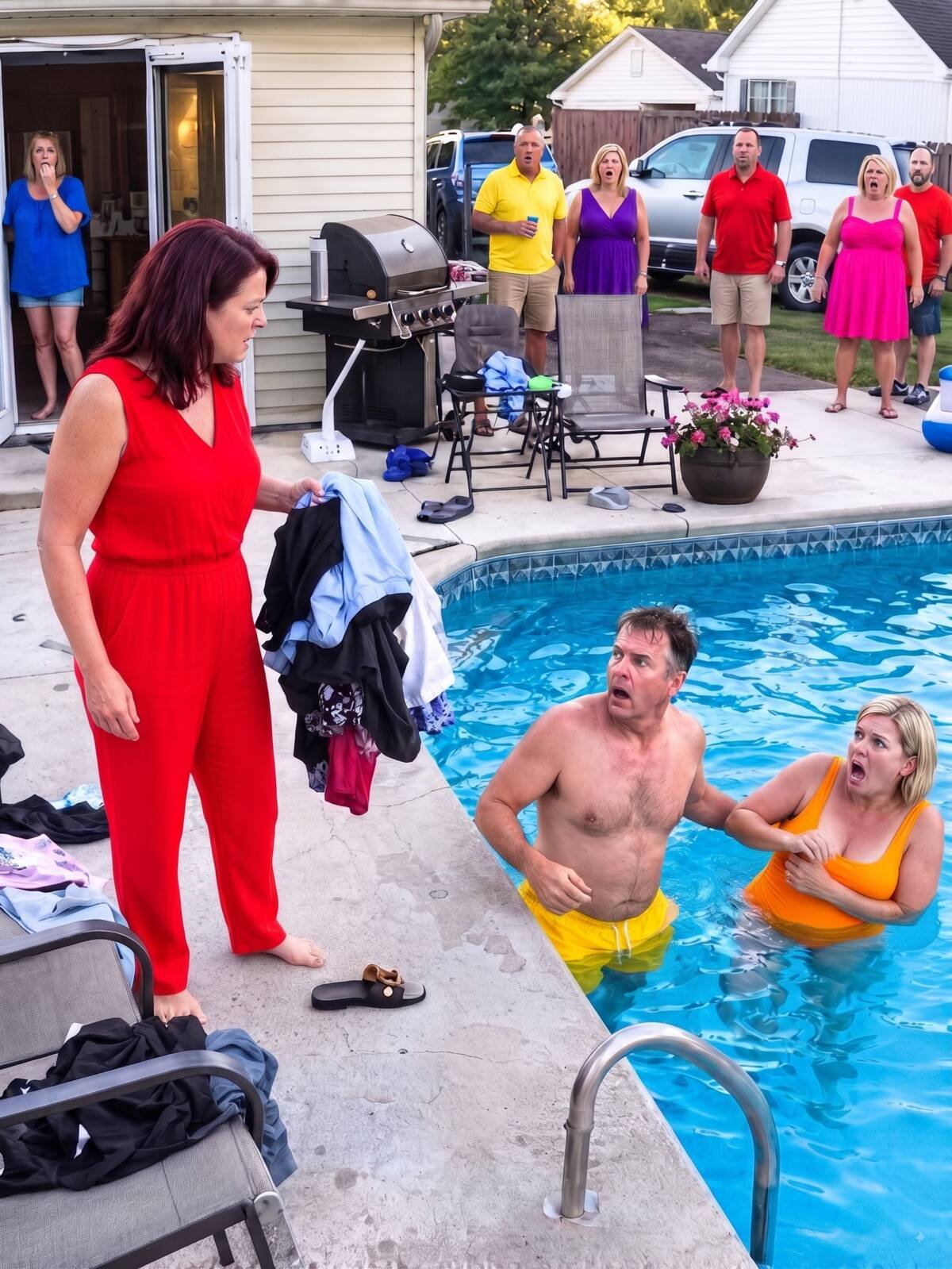
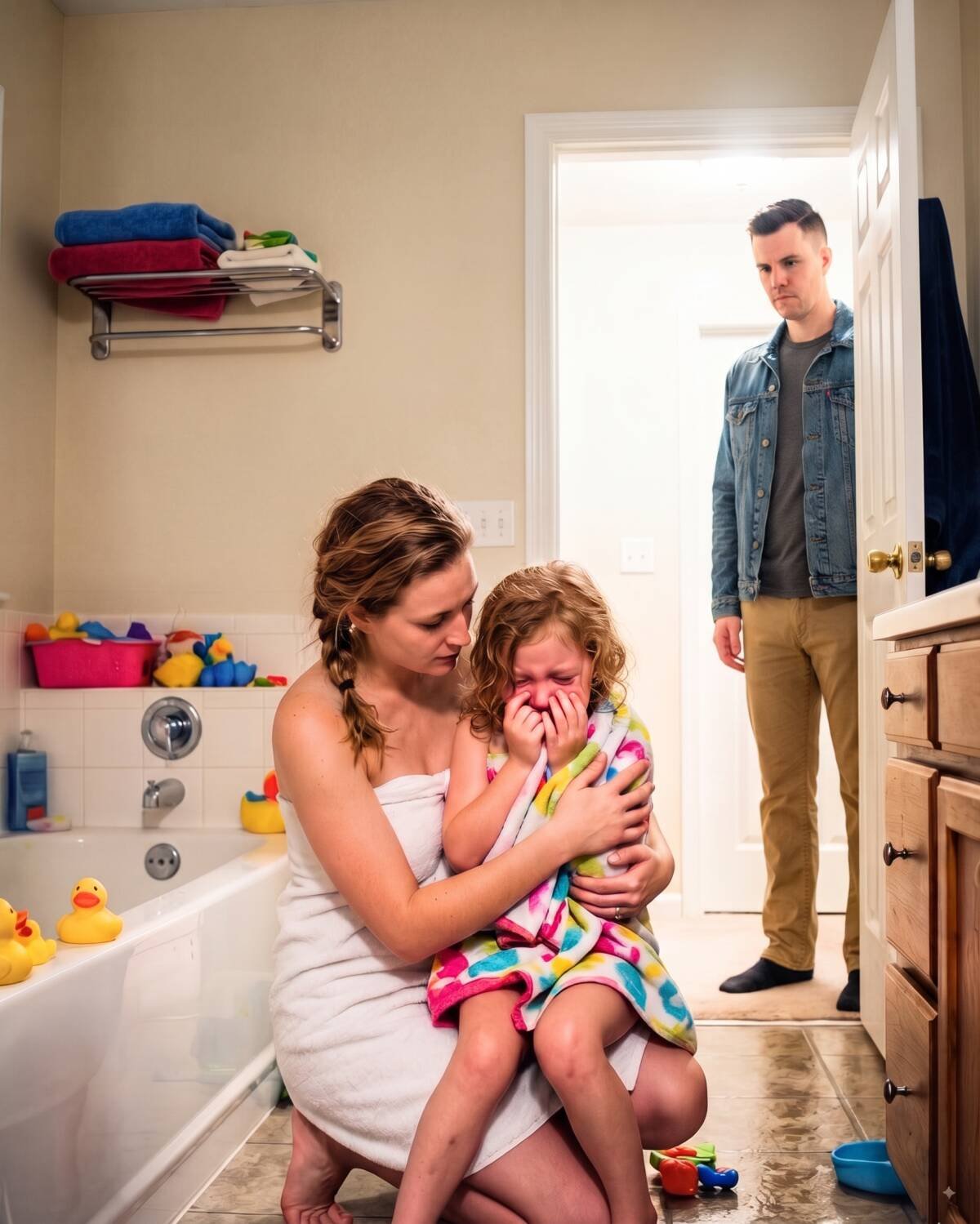
Family gatherings are supposed to be safe harbors. They are built on the quiet assumption that no matter how chaotic the world outside becomes, the people across the dinner table are the ones who know you best, accept you hardest, and love you without conditions.
Yet, for eight-year-old Noah, every family event felt less like a celebration and more like a high-stakes performance review.
Noah’s therapist described him as highly aware of his surroundings, thriving in predictable environments. But at crowded family gatherings, that heightened awareness meant he was constantly working twice as hard as anyone else just to keep up. He monitored every sound, anticipated every sudden movement, and policed his own reactions so tightly that he arrived home completely exhausted.
Nobody in the family was openly cruel to him. The problem was much more insidious, particularly with his grandmother, Margaret. For years, Margaret had operated under a rigid worldview: children who behaved exactly as she expected were easy to love, while children who required patience, accommodation, or understanding were simply an inconvenience.
For a long time, the rest of the family had mastered the art of looking away. We avoided arguments, swallowed our discomfort, and let countless small, dismissive comments pass unchallenged—until a seventy-first birthday picnic changed everything, exposing the heavy price of family silence and the fierce, unexpected courage it took to break it.
The Triceratops Shirt and the Weight of Expectations
I still remember exactly what Noah wore to my father’s seventy-first birthday picnic. He had carefully selected his favorite navy-blue shirt featuring a bright Triceratops across the chest because, in his mind, important family occasions deserved serious preparation.
Noah liked knowing what to expect. During the drive to the park, he reminded me several times to park in the driveway instead of along the street, remembering that one neighbor’s dog occasionally escaped through a loose fence. When we arrived, he bypassed the crowded grass after spotting ants and chose a quiet wooden bench, doing his absolute best to follow every unspoken social rule around him.
Then came the accident.
My brother David’s golden retriever, Murphy, came racing around a corner and bumped squarely into Noah, knocking a cup of lemonade from his hand and splashing yellow liquid across Aunt Carol’s sleeve.
“I’m sorry,” Noah blurted out instantly. He apologized to Aunt Carol, and somehow, in his heightened state of distress, even apologized to the dog.
Before anyone could stop him, Noah grabbed a handful of paper towels and began scrubbing the picnic table.
“Noah, relax. You didn’t do anything wrong.”
“It was just the dog,” Aunt Carol assured him.
Despite our reassurances, he kept wiping until the wood was completely dry. Watching him work so intensely to prove he was helpful—to prove he wasn’t a burden—broke my heart. No eight-year-old child should ever feel like they have to earn basic acceptance from their own flesh and blood.
Crossing the Line: The Sentence That Stopped the Table
The afternoon drifted on until the family gathered around the long picnic table for lunch. Margaret sat directly across from Noah. After watching him for several minutes as he quietly ate, she put down her napkin, leaned forward, and spoke loudly enough for everyone within earshot to hear:
“Next time, don’t bring the kid.”
Noah froze, his fork halfway to his mouth. He slowly lowered it and stared down at the dinosaur printed across his chest. Every muscle in my body tightened.
“What did you just say?” I demanded.
Margaret barely blinked. “I said what everyone else is thinking. He ruins the mood.”
The table fell into an absolute, suffocating silence. My brother suddenly became intensely focused on the grill. My sister stared down at her phone screen. My father cleared his throat, and Noah’s cousins kept their eyes locked on their plates as if they had suddenly turned invisible.
Not one adult defended my son.
I opened my mouth, ready to let loose years of pent-up fury, but before a single word left my lips, a chair scraped sharply against the patio stones.
“Say That Again”
My seventeen-year-old daughter, Lily, stood up and planted both hands flat on the table.
Lily was usually the quietest person in our family. She listened before speaking, avoided unnecessary friction, and rarely challenged anyone. But she had spent the last eight years watching her younger brother struggle twice as hard as anyone else just to feel like he belonged in his own family.
She stared directly into her grandmother’s eyes.
“Say that again.”
Margaret blinked in genuine surprise. “Excuse me?”
“Say it again,” Lily repeated, her voice trembling slightly but never wavering. “Look at Noah and tell him he doesn’t belong at family gatherings because he makes you uncomfortable.”
Aunt Carol tried to intervene, whispering for Lily to sit down, but my daughter refused to back down.
“Everyone keeps pretending Grandma doesn’t mean these things,” Lily said, looking around the table at the silent adults. “Noah knows she means them. He always knows.”
Under the table, I reached for Noah’s hand, feeling his small fingers close tightly around mine. Margaret leaned back, crossing her arms, and attempted to pull rank. She reminded Lily that she was only seventeen and had no business interrupting an adult conversation.
“This stopped being an adult conversation,” Lily fired back, “the moment you humiliated an eight-year-old in front of everyone.”
Silence swallowed the patio whole. Then, slowly, Lily reached into her backpack, pulled out her phone, and placed it squarely in the center of the picnic table.
On the screen was an active audio recording file: four minutes and twenty-three seconds long. It was from a phone call Lily had recorded three nights earlier, after Margaret had cornered her to complain about Noah’s place in the family.
Margaret’s expression drained of color the instant she saw the screen. Lily placed one finger right beside the play button and looked at her grandmother with unflinching clarity.
“You told me I was old enough to understand why Noah shouldn’t come to family events anymore.”
And right then, in the suffocating heat of that afternoon, I knew my father’s birthday picnic was no longer just a celebration—it was a reckoning.
Unraveling the Silence
I already knew what was on that recording because Lily had called me the night after speaking with her grandmother. I had sat alone at my kitchen table listening as my mother explained why she believed Noah made gatherings difficult and why everyone would supposedly be happier if I simply left him behind.
On the recording, Margaret had complained that Noah required too much attention, claiming his presence forced everyone to manage his “episodes.” When Lily pushed back and asked if she meant meltdowns, Margaret dismissed the distinction, insisting that understanding a child’s neurological needs wasn’t worth the disruption.
“He has to be managed,” Margaret’s recorded voice echoed in my memory.
“Grandma, do you love Noah?” Lily had asked on the call.
“Of course I do. I love all my grandchildren.”
“But you don’t want him at family events?”
“I think it would be easier for everyone.”
“Including Noah?”
“Children know when they don’t fit somewhere.”
And Lily had given the quiet, devastating reply: “Yes. They do.”
Now, that same conversation sat exposed on the picnic table. Lily didn’t press play; she didn’t need to subject Noah to hearing those cruel words aloud. But she forced the adults to confront the undeniable reality of what had been happening behind closed doors.
My father, Robert, turned to my mother. For the first time in forty-seven years of marriage, his voice carried a quiet, uncompromising firmness.
“Margaret. Did you say those things?”
Margaret tried to hide behind the defense that it had been a private conversation with her granddaughter, but Dad refused to let her dodge the question.
“Margaret. Did you say those things?”
“Yes,” she finally snapped, cornered. “I said what I believe. Noah is difficult. These gatherings are stressful when he’s here.”
Dad stared at her for a long, heavy moment before looking down at his eight-year-old grandson, who sat close enough to absorb every syllable.
“He’s eight years old, Margaret, and he is sitting right there.”
Margaret tried to argue that children needed to learn the world wouldn’t always accommodate them, but Dad cut her off mid-sentence. He knelt down beside Noah, making sure my son caught his eye.
“You belong here. Do you understand me?” “Yes, sir,” Noah whispered. “I’m sorry you had to hear that.” “It’s okay.” “No,” Dad said fiercely. “It isn’t okay. I need you to understand that.”
Beneath the Oak Tree
The celebration never recovered. Plates were cleared, food was packed away in tense silence, and the illusion of a normal family afternoon evaporated into thin air.
Noah asked if he could go sit somewhere else, and I watched him walk across the lawn to settle beneath the massive spreading branches of an old oak tree. When he needed time to process overwhelming emotions, he anchored himself in tangible details. That afternoon, he sat watching the tangled roots bursting up through the soil.
Lily stayed at the table just long enough to explain her actions to the family, making sure everyone understood that Margaret’s cruelty wasn’t a one-time slip of the tongue. Then, she picked up her plate and went to sit quietly beside her brother under the tree.
Neither child spoke at first. They simply sat shoulder to shoulder. Watching them gave me the courage to finally voice the boundaries I should have set years ago.
I turned to my mother.
“For three years, I’ve been managing your feelings about Noah, Mom. Before every single gathering, I prep him, I monitor him, and I apologize for the ways he does things differently—acting as though his differences are an offense against you.”
Margaret tried to interrupt, but I held up my hand.
“I’m done.”
I told her how hard Noah worked at these events, coming home completely drained because he spent hours navigating sensory landmines just to fit into a family that demanded perfection in exchange for belonging.
“We aren’t attending another family event,” I said clearly, “until I know he’ll be treated like someone you actually want there.” “Of course I want him there!” she protested. “Then show him.”
I gathered our plates and walked over to join my children beneath the oak tree. After several minutes of quiet, Noah looked up at me with wide, troubled eyes.
“Mom, is Grandma right?” “About what, sweetheart?” “Do I ruin the mood?”
I looked at the little boy in the dinosaur shirt—the child who had apologized for an accident caused by a dog, who had scrubbed a table spotless, and who was now questioning his own right to exist simply because an adult lacked empathy.
“No, Noah. You don’t ruin anything.”
He stared down at the twisted roots. “Then why did she say it?” “Because Grandma is wrong about some things.”
Noah thought about that for a moment, touching the textured print of the Triceratops on his chest. Then, he offered a perspective that stayed with me long after that terrible afternoon ended.
“Triceratops were misunderstood too.”
Learning to Read the Frill
Noah explained that scientists had once assumed a Triceratops used its horns and bony frill purely as weapons for combat, only to later discover that those features played a vital role in visual communication. He glanced at Lily sitting beside him and remarked that sometimes people could be communicating clearly all along while everyone around them simply failed to notice the signals.
“It’s hard when you’re communicating and nobody notices,” Noah whispered. “It is,” I replied softly. “But some people notice.”
Without a word, Lily bumped her shoulder gently against his, and Noah bumped her back. In that simple gesture, I realized my daughter understood her brother more deeply than most of the adults in our family ever had.
Three days later, my father called me with an admission I never expected. He confessed that he had known for a long time that Margaret made cutting remarks about Noah, but he had repeatedly convinced himself they weren’t serious enough to warrant a confrontation.....