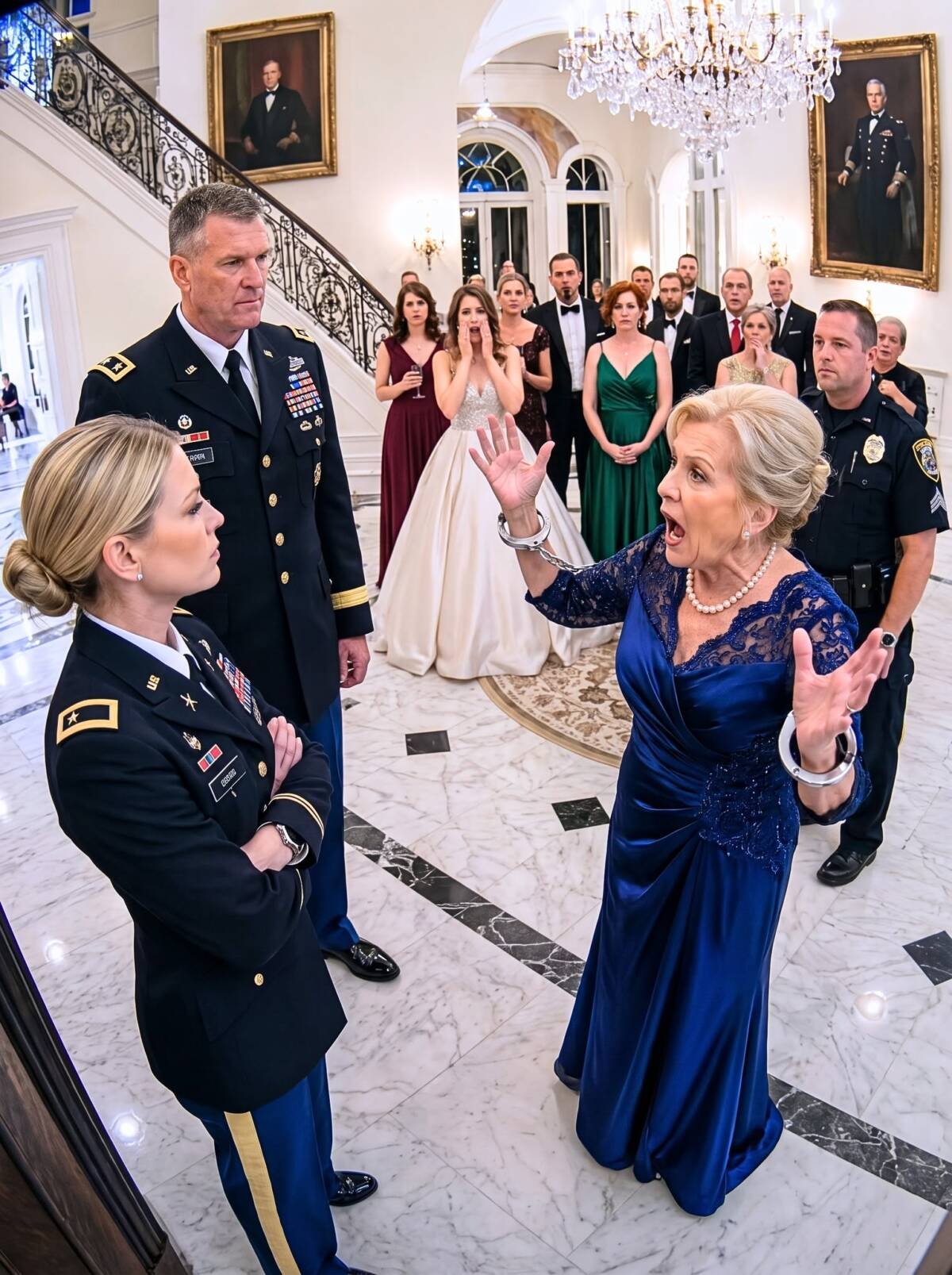
My name is Evelyn Carter. At thirty-four years old, I still harbored the naive, stubborn belief that absolute betrayal belonged exclusively in fiction, or at the very least, to other people’s families.
From the outside looking in, the Carters appeared untouchable. My father, Richard, had methodically built an international investment empire from the ground up, turning raw ambition into a multi-billion-dollar portfolio; my mother, Margaret, carefully cultivated and maintained our polished public image through elite philanthropy, high-society galas, and an unyielding commitment to elite appearances; and my younger sister, Claire, was the consummate golden child—endowed with an effortless charm that could disarm critics and win over almost anyone within minutes.
I had spent my own career quietly carving out a different path, refusing to rely on the family umbrella. Shortly before that fateful trip, I completed the sale of several major technology investments, bringing my personal net worth to approximately $5.6 billion. The wealth belonged entirely to me, earned through my own strategic maneuvers, sleepless nights, and independent ventures. But almost immediately after the transaction closed and the ink dried on the final contracts, the atmospheric pressure within my family shifted.
My parents began calling with uncharacteristic, almost suffocating frequency. Claire suddenly started treating me like a beloved confidante—a jarring, saccharine contrast to the cold, distant indifference she had shown me for months.
I ignored the warning signs. I wanted to believe it was genuine. I wanted to believe that my success had simply reminded them of our shared bloodline, and that they genuinely wanted to reconnect. Seeking to repair relationships that had quietly fractured under the weight of lifelong ambition and emotional distance, I organized a family vacation aboard a private yacht cruising off the stunning, rugged coast of Sardinia.
It was meant to be a fresh start away from boardrooms, press releases, and public appearances. Instead, it became the night my family tried to erase me.
Act I: The Descent into the Black Water
The first evening aboard the yacht felt almost idyllic, bathed in the golden hues of the Mediterranean sunset, yet an undercurrent of tension lingered just beneath the surface. My parents displayed an unnatural, obsessive interest in my estate planning, legal trusts, and corporate succession. Claire casually pressed me on what would happen to my companies, intellectual property, and liquid assets if anything “unexpected” were to happen to me out on the open water.
I dismissed their persistent questions as morbid curiosity fueled by the recent influx of liquidity and public visibility. That was my first fatal mistake.
Later that night, as the yacht drifted in the calm, ink-black waters far off the Sardinian coast, Claire invited me to the stern to look at the bioluminescent lights reflecting across the dark sea. I leaned against the cold metal railing, looking out into the silent, starless horizon.
Without a word of warning, two hands shoved forcefully against my shoulders.
I went over the edge before I could even draw breath. The sudden, violent shock of the cold seawater swallowed me instantly, dragging me beneath the surface in a disorienting swirl of dark pressure. When I broke the surface, gasping desperately for air, I looked up toward the illuminated deck of the yacht. Claire stood by the railing, staring down at me with an expression that froze my blood faster than the sea.
Then she shouted words that have echoed in my mind every single day since:
“Say hello to the sharks for me!”
I expected someone to throw a life ring. I expected the engines to idle, the crew to mobilize, or at least a shred of human panic. Instead, I saw my parents step up beside Claire. They stood shoulder to shoulder, looking down without making a single motion to help, watching me disappear into the boat’s churning wake.
They weren’t panicking. They were smiling.
In that freezing, terrifying instant, the puzzle pieces snapped into a brutal, undeniable focus. This wasn’t a sudden fit of sibling rivalry or a tragic misjudgment. This was a calculated execution. My family had engineered my disappearance, believing that an “accidental drowning” at sea would trigger estate mechanisms and legal loopholes that transferred my $5.6 billion fortune directly into their grasp.
The yacht’s stern lights faded slowly into the distance until they were nothing more than faint pinpricks against the dark abyss. I was miles from shore, exhausted, lightly clothed, and utterly alone in the Mediterranean. But waiting to accept the watery grave they chose for me meant granting them the exact ending they desired.
So, I started swimming.
Act II: The Resurrection and the Gathering Storm
Nearly an hour later, cutting through the dark swells with sheer adrenaline and failing strength, my silhouette was spotted by a local fishing vessel. The weather-beaten crew pulled me aboard—hypothermic, battered, and barely conscious. Once I was wrapped in rough blankets and stable enough to speak, before any authorities or relatives could be notified of my rescue, I gave the captain a single, unwavering directive:
“Please don’t tell the Carters I’m alive.”
Recognizing the gravity of my request, they transferred me discretely at a small coastal port, and I was quietly admitted to a secure, private clinic in Marseille under an assumed name. While medical professionals treated my severe exhaustion, respiratory distress, and emotional trauma, international news headlines exploded with the tragic, breaking reports of billionaire investor Evelyn Carter’s sudden disappearance during a boating excursion off Sardinia.
My family performed their grief to absolute, award-winning perfection.
Claire wept publicly in front of the cameras, playing the role of the shattered younger sister. Margaret delivered poignant, tearful statements to the press about the unbearable agony of losing her eldest daughter. Richard accepted solemn condolences from international business associates and political figures, slipping seamlessly into the role of the stoic, grieving patriarch.
From my sterile hospital room, I watched them orchestrate their own trap on live television.....