The Scent of Silence
The scent of a funeral parlor is something that never truly leaves you. It is a suffocating, synthetic blend of heavily perfumed floral arrangements—mostly lilies and carnations, designed to mask the underlying reality of the room—mixed with the harsh, sterile odor of chemical cleaners and the damp wool of winter coats. Rain had been falling steadily all afternoon in our small suburban town, beating against the frosted glass windows of the viewing room in a relentless, rhythmic drum. The sky outside was a bruised, heavy gray, perfectly mirroring the oppressive atmosphere inside.
At the front of the room, resting on a velvet-draped pedestal, was the polished mahogany casket holding my older sister, Rachel. She was thirty-four years old. She was supposed to have decades left. She was supposed to see her son graduate, get married, grow old. Instead, her life had been abruptly, violently truncated by what the local police and her grieving husband had officially, neatly categorized as a tragic accident. She had slipped, they said. She had lost her footing on the steep hardwood staircase of her colonial home, tumbling to the bottom in the dead of night. It was a domestic tragedy. A fluke. A nightmare that could happen to anyone.
That was the story we were all told. That was the story Marcus, her husband of ten years, repeated with practiced, tearful precision to every aunt, uncle, and family friend who walked through the heavy oak doors of the parlor to offer their condolences.
But throughout the entire wake, there was one glaring anomaly that refused to blend into the somber background of the afternoon. My eight-year-old nephew, Leo, had anchored himself to the side of his mother’s casket and categorically refused to move.
He sat on a stiff, upholstered chair pulled directly against the polished wood of the coffin. His small legs dangled inches above the carpet. In his lap, his knuckles were white as he gripped his oldest, most worn stuffed animal—a brown bear missing one button eye. His face was extraordinarily pale, drained of all the typical chaotic energy of an eight-year-old boy. He wasn’t crying. That was what unsettled the older relatives the most. He wasn’t weeping or throwing a tantrum. He was simply waiting. He sat with the rigid, hyper-vigilant posture of a soldier standing watch at a post.
Every hour or so, the funeral director—a tall, gaunt man in an immaculate dark suit—would drift into the room and subtly check his pocket watch. Family members would quietly murmur that it was getting late. My mother, eyes swollen and red from days of endless weeping, would approach Leo and place a gentle, trembling hand on his small shoulder.
“Sweetheart,” she would whisper, her voice cracking. “It’s almost time. We have to let them close the lid now. We have to let Mommy rest.”
Every time, Leo would flinch away from the touch. His eyes would widen with a sudden, desperate panic, and he would lean forward, pressing his chest against the wood of the casket.
“No,” he would say, his voice strained but surprisingly firm. “Don’t close it yet. She told me to wait for the sound.”
A Grieving Husband’s Facade
It was a bizarre, chilling phrase. Wait for the sound.
When I first heard him say it around three in the afternoon, I assumed it was the heartbreaking manifestation of a child’s profound shock. Children process trauma in unpredictable ways. I figured his developing brain was simply protecting him from the horrific permanence of death. He was waiting for a sound—a breath, a sigh, a heartbeat—because accepting the silence was too heavy a burden for a child to bear.
Marcus played into this theory perfectly. Whenever Leo uttered the phrase, Marcus would step forward, playing the role of the tragic, patient father. He would sigh heavily, run a hand through his perfectly styled hair, and look at the rest of us with an expression of performative agony.
“He’s just so confused, Sarah,” Marcus whispered to me at one point, his hand resting on my shoulder. His grip was just a fraction too tight, a subtle physical dominance he had always exerted over Rachel’s family. “The therapist said this might happen. Magical thinking. He thinks if he waits long enough, she’ll wake up. It’s breaking my heart.”
I had nodded at the time, offering a sympathetic murmur. But deep down, a cold knot of unease had begun to form in my stomach.
I looked at Marcus. He was dressed in a pristine, tailored black suit. His tie was perfectly knotted. He looked exhausted, yes, but it was a curated exhaustion. Every time a new guest arrived, he produced the exact same pitch of grief, the exact same well-rehearsed anecdote about how much he loved Rachel, the exact same explanation of the slip, the fall, the terrible phone call to 911.
My mind flashed back to a conversation I’d had with Rachel just a week before she died. We had been sitting in my kitchen. She had been picking nervously at her cuticles until they bled. When I asked her if things were okay at home, she had given me a strange, hollow look.
“If something strange ever happens to me, Sarah, don’t stay silent,” she had said.
At the time, I had laughed it off, assuming she was just being dramatic about their ongoing marital issues. Now, staring at her pale, lifeless face in the casket, dressed in a high-necked, stiff navy blue dress that Marcus had insisted upon—a dress she had explicitly told me she despised because it made her look like a Puritan—the memory of her warning felt less like drama and more like a prophecy.
The hours dragged on. The parlor gradually emptied out as the evening wore on. By eleven o’clock, the only people left in the dim, cavernous room were myself, my mother, Marcus, Leo, and the funeral director, who was hovering impatiently near the back doors. The rain outside had intensified, lashing against the glass.
“Marcus, we really must conclude,” the funeral director murmured, stepping forward. “The staff needs to prepare for tomorrow’s service.”
Marcus nodded solemnly. “I know. It’s time.” He walked over to Leo. “Come on, buddy. We have to say goodbye now.”
“No!” Leo shouted, his voice echoing violently in the quiet room. He stood up, dropping his bear, and threw his arms across the open half of the casket, physically blocking the lid. “She said wait! She promised!”
“Leo, stop making a scene,” Marcus hissed, his facade slipping for a fraction of a second. His voice dropped an octave, carrying a sharp, dangerous edge that made my breath catch. He reached out, his large hand closing around Leo’s upper arm, preparing to drag the boy away by force.
The Midnight Alarm
It was exactly 11:58 PM.
The silence in the room was absolute.
And then, it happened.
It wasn’t a loud noise. It was a low, mechanical, rhythmic vibration. Bzzzz. Bzzzz. Bzzzz.
The sound was muffled, distorted by layers of fabric, but in the dead quiet of the funeral parlor, it was unmistakable. It was coming from inside the casket.
My mother let out a short, terrified gasp, her hands flying to her mouth. The funeral director froze in his tracks, his eyes widening in shock. Marcus stopped dead, his hand still suspended in the air above his son’s arm. The color completely drained from his face, leaving him looking like a wax figure.
Leo didn’t hesitate. The moment the vibration began, the panic vanished from his face, replaced by a terrifying, deeply unnatural sense of purpose. He leaned over his mother’s body. His small hands reached directly for the stiff bodice of the navy blue dress. He felt along the side seam, near the ribs, and then dug his fingers into the lining.
With a sharp pull, the fabric tore slightly. From deep within the lining of the dress, Leo retrieved a small, cheap, black prepaid cell phone.
It was vibrating furiously in his palm, the screen casting a harsh, pale blue glow onto his young face.
The knot in my stomach pulled tight, turning into a block of pure ice.
“Give me that.”
Marcus’s voice was unrecognizable. It wasn’t the voice of a grieving widower. It was a guttural, feral bark. He lunged forward, his sheer mass propelling him toward his eight-year-old son with a violent intensity that was entirely uncalculated.
Instinct took over before my conscious brain could process the danger. I moved. I stepped squarely between Marcus and Leo, planting my feet shoulder-width apart, raising my hands to form a physical barrier.
“Back off, Marcus,” I snapped, my voice ringing out with an authority I didn’t know I possessed.
Marcus collided with me, realizing too late that I had blocked his path. He stumbled back, his eyes darting frantically around the room, assessing the witnesses. My mother. The funeral director. Me. He took a deep, shuddering breath, violently forcing the mask of the rational, confused husband back onto his face.
“Sarah, for God’s sake, get out of the way,” Marcus said, trying to force a nervous, bewildered laugh. “It’s just some old piece of junk. I lost an old work phone months ago. Rachel must have found it and… I don’t know, it must have fallen into the casket at the morgue. Give it here.”
“No, Dad,” Leo said from behind me. His voice was trembling now, but he held his ground. “Mom said it was hers. She told me to wait for it.”
I turned slightly, keeping my body angled between Marcus and the boy. I held out my hand. “Let me see it, Leo.”
Leo looked up at me. His eyes were swimming with tears now, the adrenaline beginning to crash. He placed the vibrating black plastic block into my palm. It felt unnaturally heavy, like a loaded weapon.
I looked down at the screen. It wasn’t an incoming call. It was a calendar alarm. Rachel had set an alarm to go off at precisely midnight on the day of her scheduled wake. The title of the alarm scrolled across the cracked digital display in stark, illuminated letters.
FOR SARAH. DO NOT LET HIM HAVE THIS.
My lungs forgot how to pull in air. I stared at the words, the glowing letters burning themselves into my retinas.
“Sarah,” Marcus said, his voice dropping into a low, menacing register that was meant only for my ears. “Hand it to me. Now. My wife is lying dead right there, and you are disrespecting her memory with this paranoid nonsense. She was out of her mind at the end. She was irrational. She was hallucinating. You know she was on medication for her anxiety. This is just a symptom of her mental break. Give it to me.”
“Three days ago,” I said slowly, never taking my eyes off the screen, “you sat at my mother’s dining room table and swore on Rachel’s life that she was perfectly happy, completely normal, and in the best mental health of her life right before she fell. You said you two were planning a vacation. Which is it, Marcus? Was she happily planning a trip, or was she suffering a psychotic break?”
Marcus’s jaw tightened so hard I could hear the teeth grinding together. The muscles in his neck strained against his collar.
“Give. Me. The. Phone,” he demanded, stepping closer.
“I’m calling the police,” my mother whispered from the corner of the room. She was shaking uncontrollably, her phone already in her hand. “Marcus, step away from my daughter.”
Marcus froze. The mention of the police acted like a bucket of ice water. He took a step back, raising his hands in a gesture of mocked surrender, though his eyes burned with a venomous hatred. “Fine. Fine. Indulge the delusion. You’re traumatizing my son, but fine.”
I looked down at Leo. “Leo, buddy… did Mommy tell you how to open it?”
He nodded, wiping a tear from his cheek with the back of his sleeve. “It’s my birthday. The numbers of my birthday.”
With shaking fingers, I typed in the four digits. 0-8-1-4.....
Related Posts
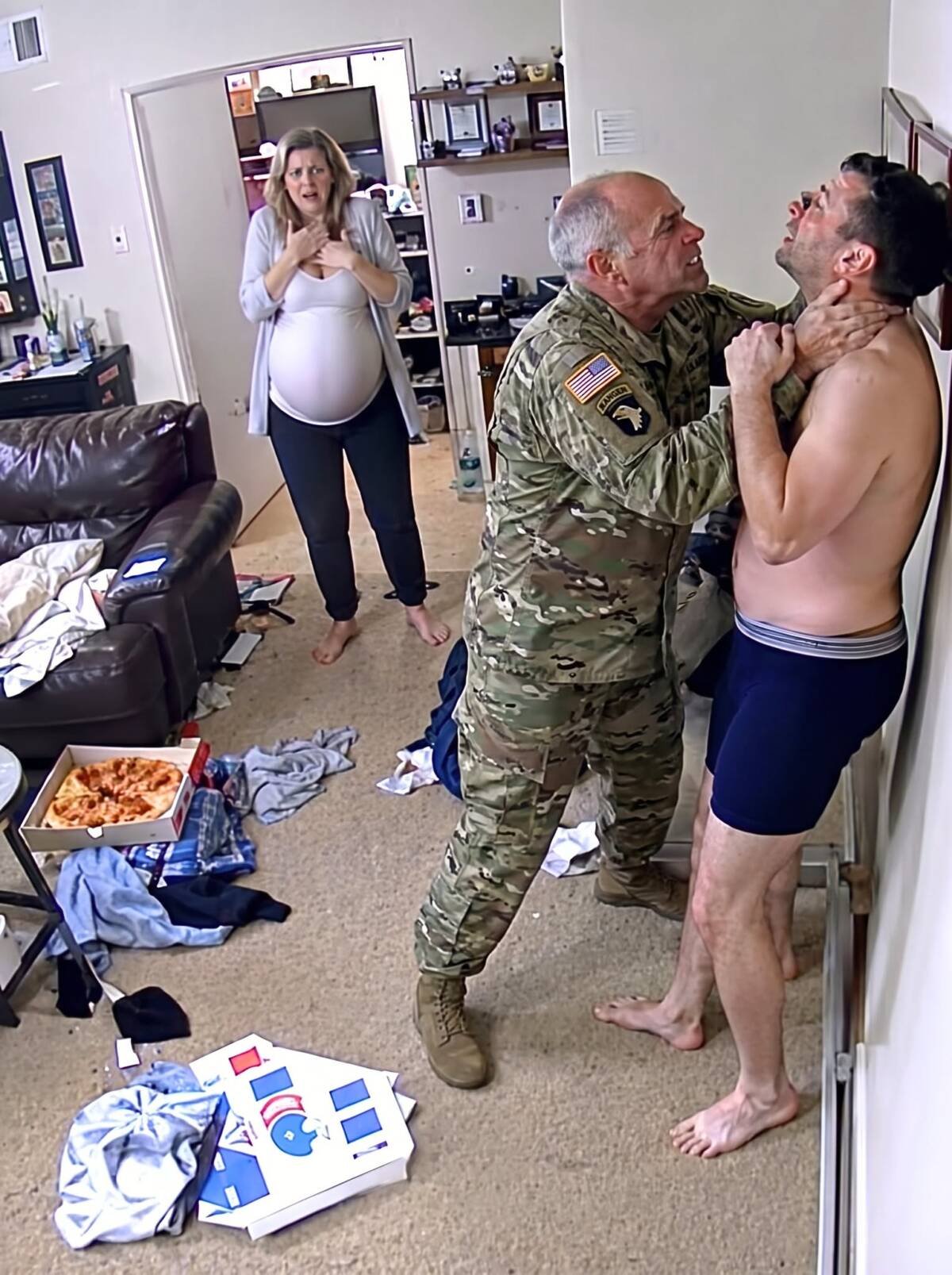
The Day I Discovered What My Daughter Was Hiding: When a Bully Met a Retired Marine
The Hidden Reality Behind Closed Doors: A Father’s Worst Nightmare For most of my adult life, my primary responsibility was training United States Marines to…
Read more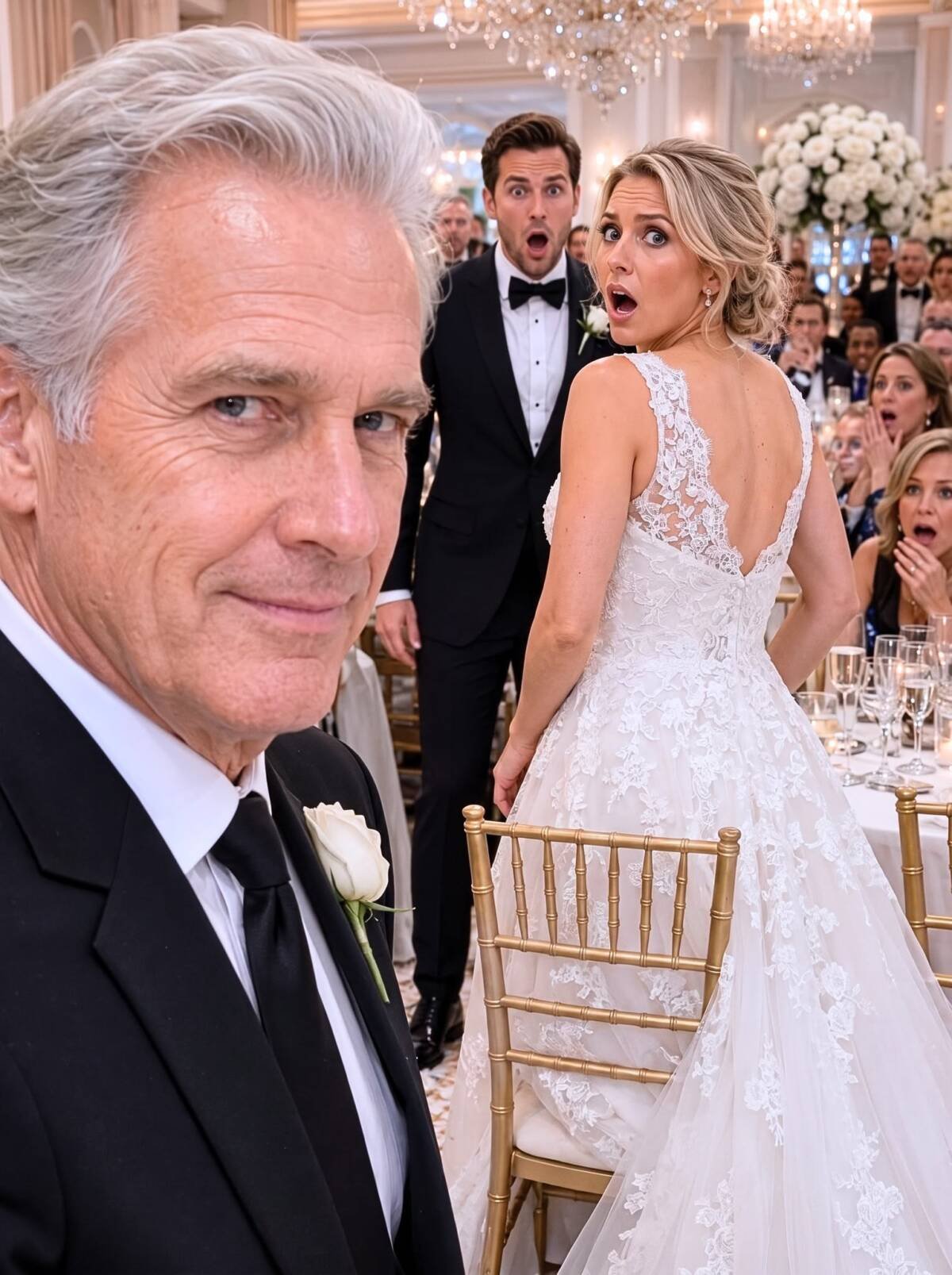
The Prank That Ruined a Wedding and Exposed a Million-Dollar Betrayal
I caught my future daughter-in-law smearing industrial super glue across the velvet chair reserved for my wife while my son stood casually nearby, laughing as…
Read more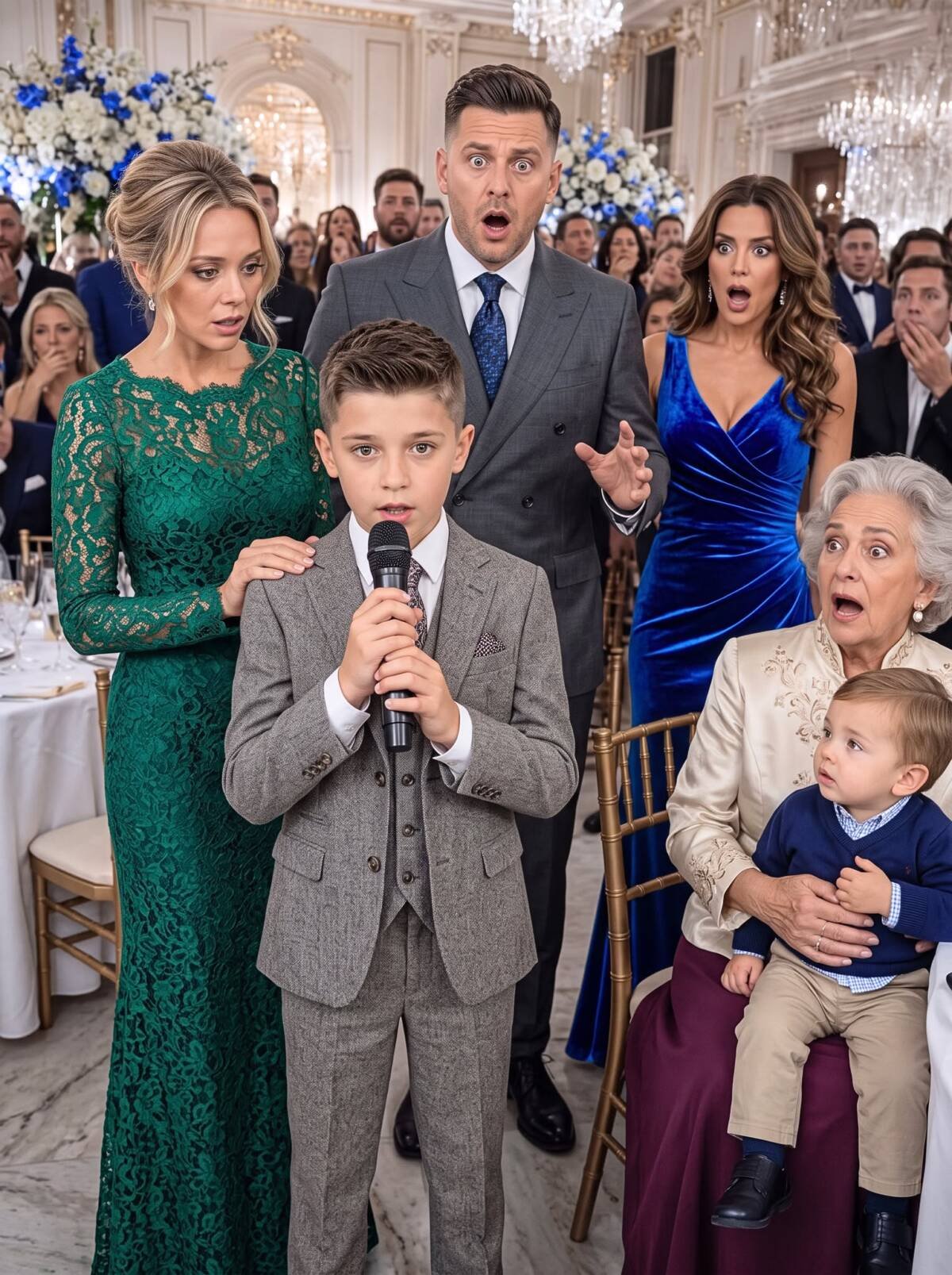
My Husband Brought His Secret Family to a Party to Humiliate Me—Until Our 10-Year-Old Son Grabbed the Microphone
I thought I knew the man I had been married to for ten years. But as I stood in the middle of a crowded ballroom,…
Read more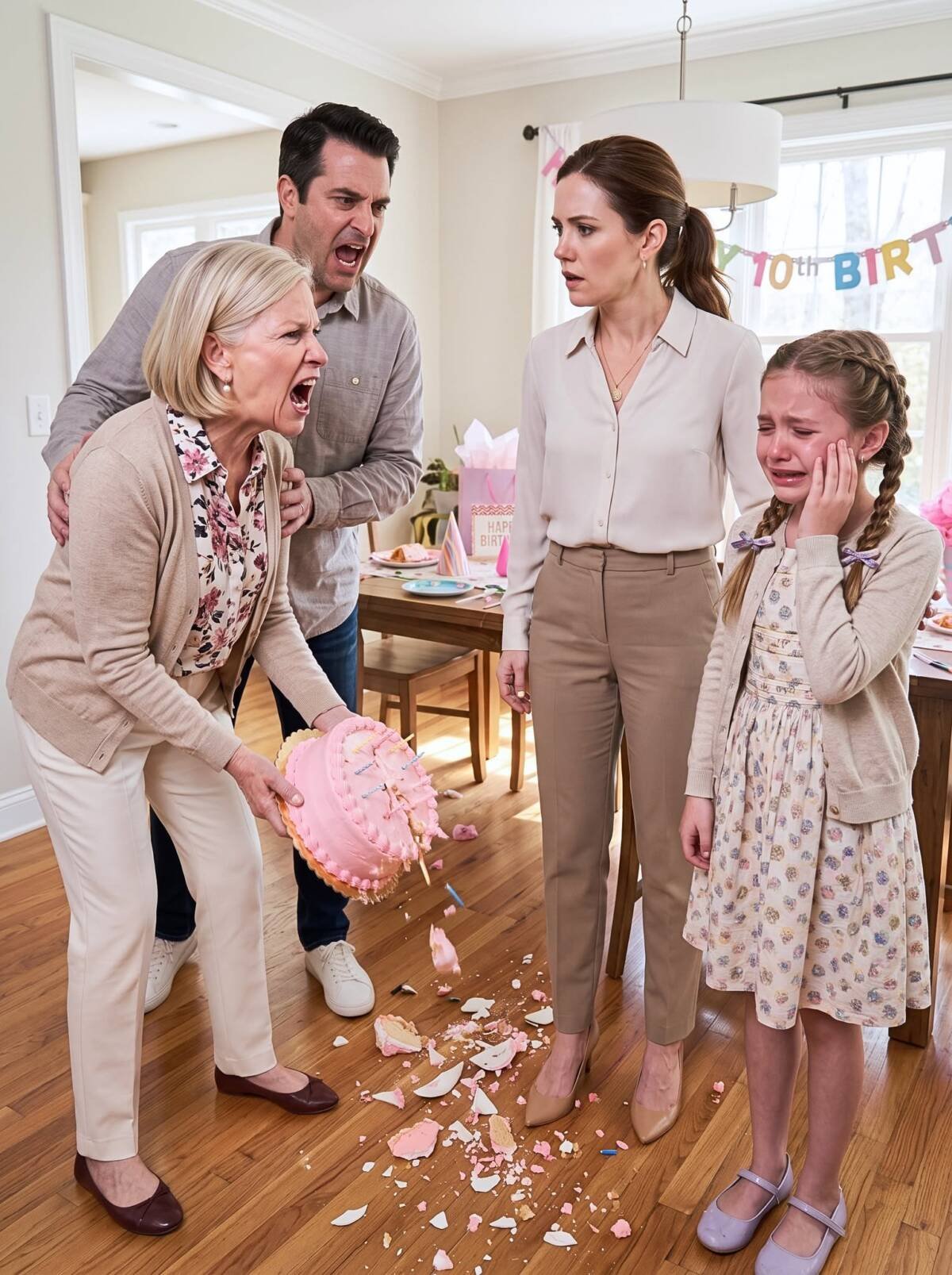
The Day I Traded My Marriage for My Daughter’s Dignity: How One Smashed Cake and a Single Word Destroyed My Husband’s Entire World
For twelve years, I had perfected the art of making myself smaller to keep the peace in the Mercer family, swallowing insults and excusing cruelty…
Read more
I Thought the Stranger on the Bus Was Harassing Me. Then He Slipped Me a Note That Saved My Son’s Life.
For nearly three hours, the rhythmic, heavy hum of the highway did nothing to settle my nerves. I thought the stranger sitting across the narrow…
Read more
They Locked Me in a Freezing Garage 11 Minutes After Surgery to Steal My Inheritance—But They Forgot About My Hidden Camera
My Husband and Mother-In-Law Thought I Was Helpless After Surgery. My Hidden Safe Proved Them Wrong. 11 Minutes After Coming Home from the Hospital, My…
Read more