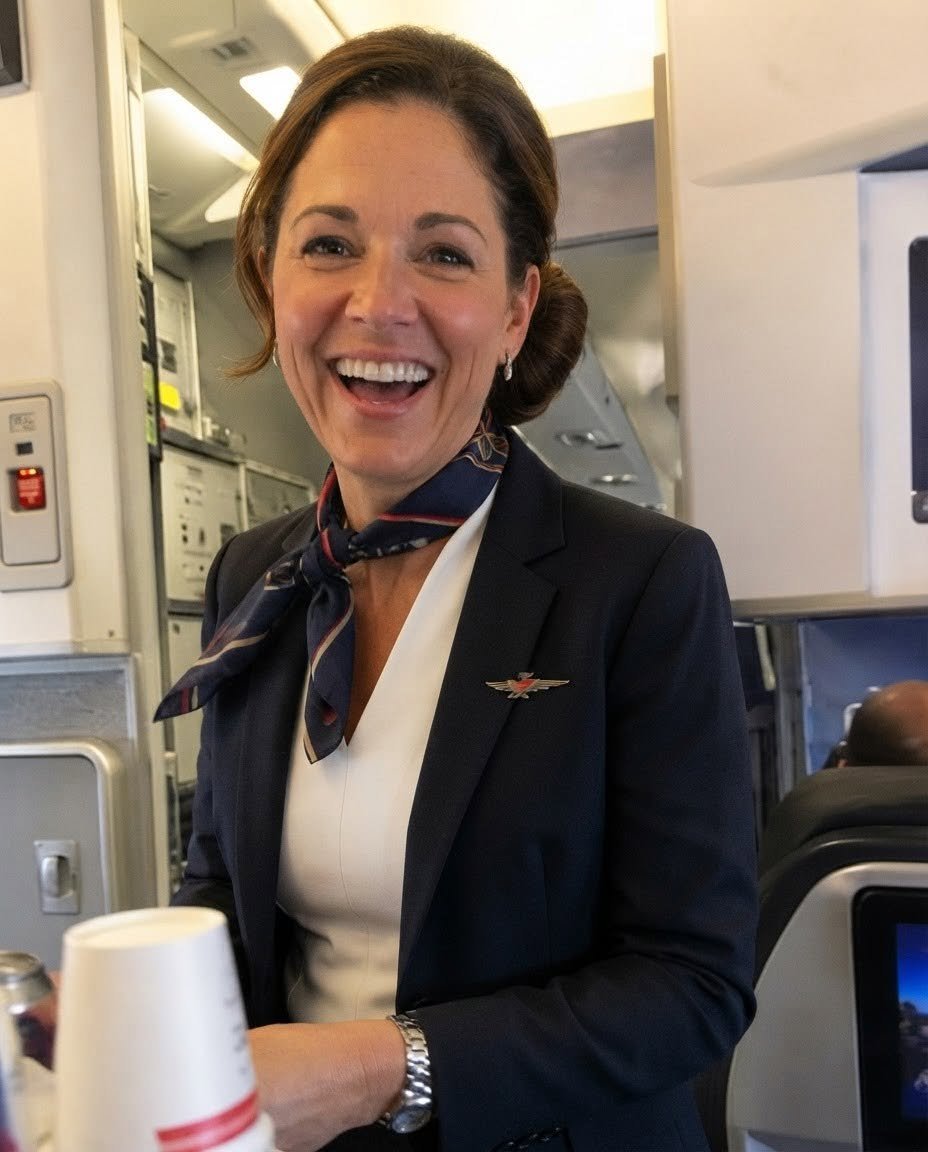
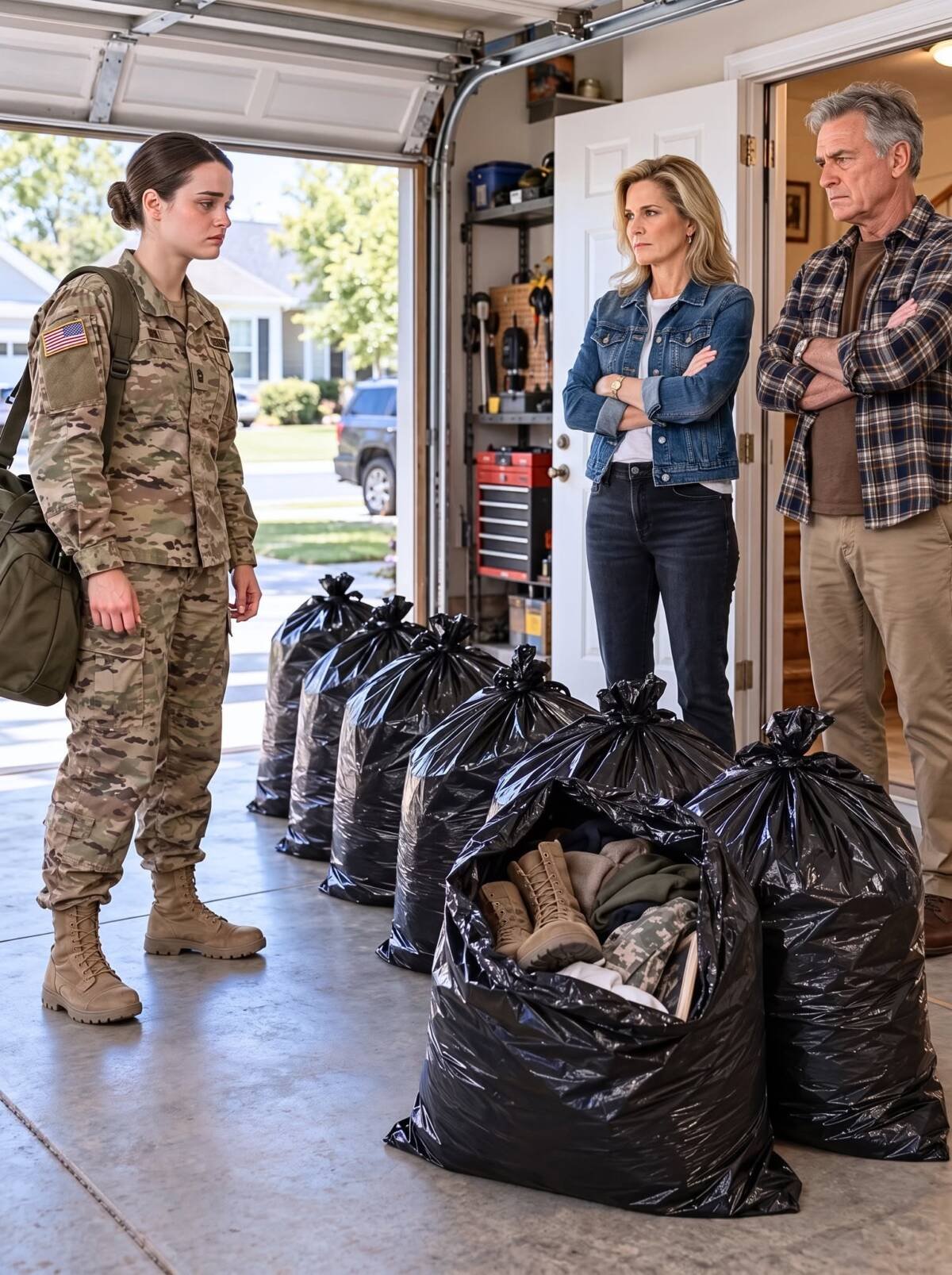
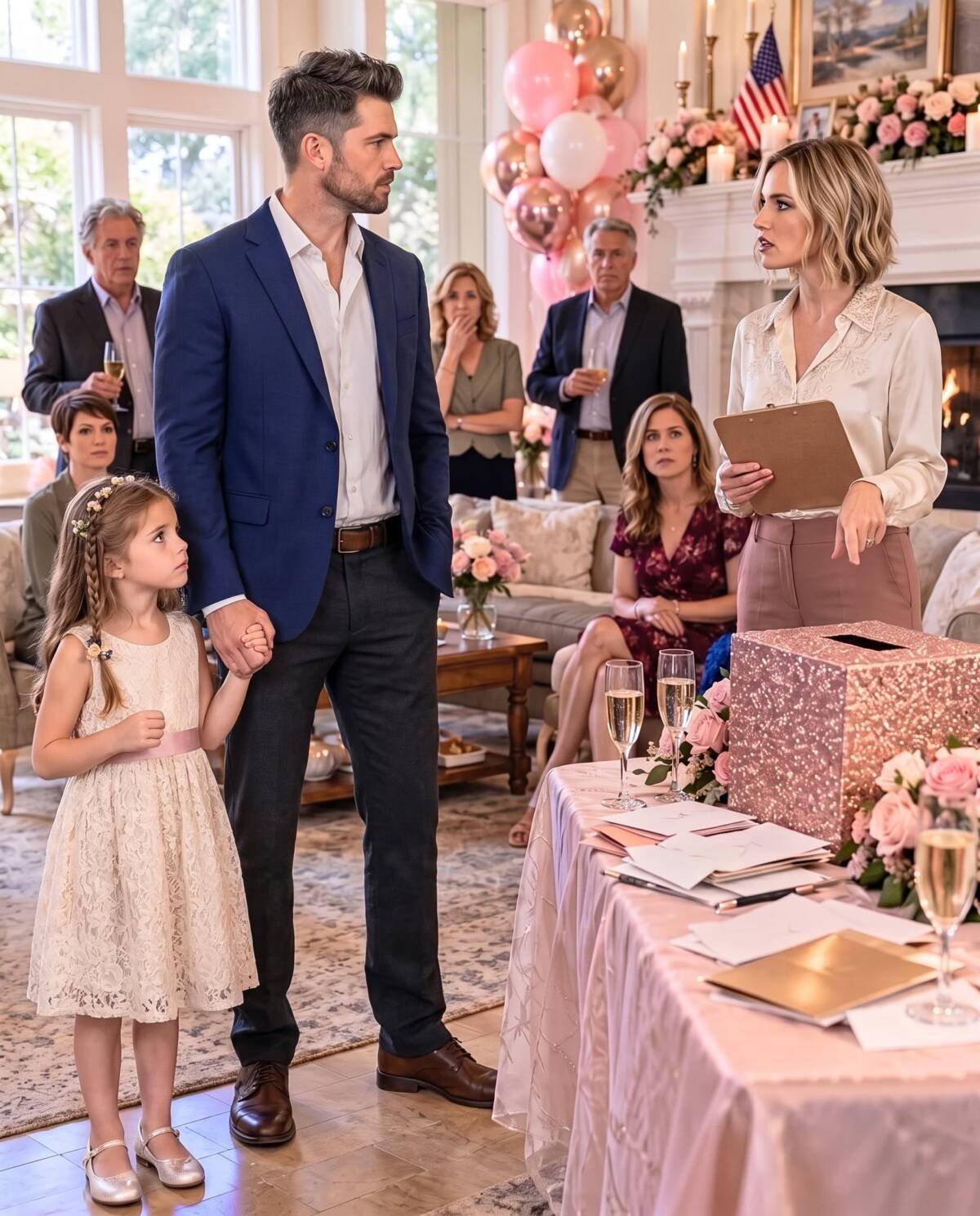
A mother honored her only son’s request to stay away from his college graduation—until his girlfriend called with a warning that changed everything. What Amanda discovered in the audience, and the truth her family had buried for years, would force all of them to confront the past.
Introduction: The Graduation I Wasn’t Supposed to Attend
A week before my only son’s college graduation, Daniel called and asked me not to come.
I had spent four years looking forward to that day. I had watched him struggle through difficult semesters, work long hours, and question whether he could finish his degree. I had supported him through every setback, often reminding him that he didn’t have to accomplish everything at once.
All he had to do was keep going.
So when he told me I shouldn’t attend the ceremony, I initially thought he was joking.
He wasn’t.
“Mom, I’m serious,” he said.
I asked him why. I reminded him that I’d already booked a hotel. I tried to understand whether something had happened or whether I had unknowingly done something to upset him.
Every question seemed to make him more uncomfortable.
“It’s complicated,” he finally said.
“Daniel, I’m your mother. Can’t you tell me what’s going on?”
He paused before answering.
“Please, just trust me.”
My name is Amanda. I’m 56 years old, and Daniel is my only child. His graduation was supposed to be one of the proudest moments of my life, a celebration of everything he had worked so hard to achieve.
Instead, I was being asked to stay home.
I eventually agreed, although the conversation left me with a painful question I couldn’t shake: Was my son trying to protect me from something, or was he trying to keep me away from someone?
I wouldn’t learn the answer until the night before his graduation, when his girlfriend called me privately.
“Please come tomorrow,” Sophie whispered.
I reminded her that Daniel had specifically asked me not to attend.
“I know,” she replied.
“Then why are you asking me to go against his wishes?”
She hesitated.
Then she said six words that changed everything.
“He has no idea I found out.”
I gripped my phone.
“Found out what?”
Sophie didn’t answer immediately. When she finally spoke, her voice was so quiet that I could barely hear her.
“Just come. Please. You deserve to know.”
The next morning, I drove to the university with no idea what awaited me. I intended to sit quietly at the back, watch my son receive his diploma, and leave before he noticed me.
But the moment I entered the auditorium, I recognized a man I hadn’t seen in eleven years.
It was Richard, my ex-husband.
And he was sitting just three rows ahead of me.
I had no idea why he was there, why Daniel had secretly invited him, or why my own son had decided that I didn’t belong at his graduation.
What I discovered over the following hours would expose years of hidden letters, painful decisions, and a family history that none of us had ever fully understood.
By the end of that weekend, I would have to face the possibility that the story I’d told my son to protect him had also kept him from knowing the truth.
1. The Years My Son Worked to Earn His Degree
Daniel didn’t take the traditional path to college.
After graduating from high school, he spent two years working before enrolling at age 20. He wanted to save money and make sure he was ready for the commitment.
Once he started college, he worked approximately 30 hours a week during some semesters while carrying a full course load.
There were nights when he came home exhausted, convinced he was falling behind everyone else.
Sometimes he called me late in the evening, his voice heavy with frustration.
“Mom, I don’t know if I can keep doing this.”
I always gave him the same advice.
“You don’t have to finish today. You just have to finish today.”
He claimed to hate that sentence, but it usually made him laugh.
I knew how hard he was working. I knew how much it meant to him to graduate, and I knew that when the day finally arrived, I wanted to be there to see the look on his face.
For four years, I imagined sitting among the families in the audience, listening to the names being announced, and searching for Daniel as he crossed the stage.
I imagined standing afterward with flowers in my hands, taking too many photographs, and telling him how proud I was.
I never imagined that I would have to convince my own son to let me attend.
When Daniel called a week before the ceremony, I tried to remain calm.
“Are you embarrassed by me?” I asked.
“God, no, Mom.”
“Then why can’t I come?”
“It’s not like that.”
“Then tell me what it’s like.”
He sighed.
“I can’t explain it right now.”
I reminded him that I had already paid for the hotel, but he immediately offered to reimburse me.
That answer hurt more than I expected.
I didn’t care about the hotel money. I cared about being there for him.
“Daniel, I don’t need you to pay me back. I need you to tell me what’s happening.”
He went quiet.
Finally, he asked me to trust him.
I agreed because I loved him, but the conversation stayed with me throughout the week.
There was something in his voice that sounded less like embarrassment and more like fear.
I just didn’t know what he was afraid of.
2. The Father Who Disappeared
Daniel’s father, Richard, left our family when our son was nine.
Our marriage had been troubled for years. Richard struggled with alcohol and gambling, and his decisions created instability that I could no longer ignore.
The final incident happened when Richard was supposed to pick Daniel up from soccer practice while I was working late.
Richard had been drinking before getting behind the wheel.
Another parent contacted me after noticing that he was visibly impaired. By the time I reached home, Richard had already driven Daniel back.
He was so intoxicated that he clipped our mailbox while pulling into the driveway.
I remember looking at my nine-year-old son and realizing how close we had come to something terrible.
That night, I told Richard he could no longer remain in our home.
Two months later, he entered rehabilitation.
For a while, I hoped things might change. But Richard relapsed, disappeared for nearly a year, and missed Daniel’s birthday, Christmas, and a school play our son had spent weeks preparing for.
Daniel waited for him anyway.
On birthdays, he sometimes sat beside the front window, watching the road as if his father might suddenly appear.
Whenever the phone rang, he asked whether Richard was calling.
Each time Richard failed to show up, I watched my son become a little less hopeful.
Eventually, Daniel stopped asking questions.
When he was around thirteen, he seemed to accept the explanation I had given him.
“Your father left us,” I told him.
It was true.
But as I would eventually discover, it wasn’t the whole truth.
When Richard disappeared, I became responsible for keeping our household together. I worked, paid the bills, helped Daniel with school, and tried to give him the stable childhood he deserved.
I didn’t tell him every painful detail about his father’s addiction or the frightening night that ended our marriage.
I believed he was too young to understand, and I thought the simplest explanation would protect him from unnecessary pain.
For years, I believed I had made the right decision.
Then, when Daniel was twelve, Richard contacted me.
He had reportedly been sober for almost two years and wanted to rebuild his relationship with his son through supervised visits.
I refused.
Daniel had finally stopped waiting by the window. He had begun moving forward, and I was terrified that allowing Richard back into his life would reopen wounds that had barely begun to heal.
I told Richard that Daniel was doing well without him.
Richard could have pursued other ways to reconnect with his son. Instead, he accepted my refusal.
He later admitted that part of him had been relieved.
He was ashamed of his past and afraid of failing Daniel again. Rather than fighting for another chance, he convinced himself that staying away might be better for his son.
He sent letters for years, but eventually he stopped trying.
I kept some of those letters.
I never told Daniel they existed.
That decision would eventually become one of the greatest sources of pain in our family.
3. The Call That Changed My Plans
The night before graduation, I was sitting alone in my kitchen when Sophie called.
She sounded nervous, and I could hear that she was choosing her words carefully.
“Please come tomorrow,” she said.
I was surprised by the request.
“Daniel specifically told me not to.”
“I know.”
“Then why are you asking me to go against what he wants?”
She paused.
“He doesn’t know I found out.”
I felt my stomach tighten.
“Found out what, Sophie?”
She didn’t immediately answer.
I asked whether Daniel was in trouble, whether something had happened at the university, or whether she and Daniel had been arguing.
“No,” she said quickly. “It’s not that.”
“Then what is it?”
“It’s about his father.”
I stared at the kitchen wall.
Richard had been absent from our lives for eleven years. I had no reason to believe that anything about him could still surprise me.
Yet Sophie sounded genuinely worried.
“Richard is coming to the graduation,” she finally admitted.
I closed my eyes.
For a moment, I couldn’t speak.
“Daniel invited him?”
“Yes.”
“And Daniel told me not to come?”
Sophie didn’t answer, but she didn’t need to.
The pieces began falling into place.
I asked how she knew Richard was attending. She explained that she had seen a message from him on Daniel’s phone the previous night.
She wasn’t supposed to know about the reunion.
Daniel had deliberately kept it from me.
“Why would he do that?” I asked.
“I think he was afraid of what might happen if you both showed up.”
I wanted to be angry with Daniel, but beneath the anger was something more painful.
He had made a decision about whether I could attend one of the most important days of his life because he believed I couldn’t handle seeing his father.
I had spent years raising him, supporting him, and trying to protect him.
Now, apparently, he thought I was the person who needed to be kept under control.
Sophie urged me to come anyway.
“You deserve to know what’s happening,” she repeated.
I told her I would think about it.
After we hung up, I sat in silence for several minutes.
Part of me wanted to respect Daniel’s request. He was an adult, and if he didn’t want me at the ceremony, perhaps I should accept that.
But another part of me couldn’t understand why his father’s presence meant I had to disappear.
Eventually, I made my decision.
I would attend.
I wouldn’t cause a scene. I wouldn’t approach Richard unless necessary. I would sit quietly, watch my son graduate, and leave.
At least, that was the plan.
4. The Man Sitting Three Rows Ahead
The auditorium was already filling when I arrived the next morning.
Families were taking photographs, graduates were adjusting their gowns, and volunteers were directing people toward their assigned sections.
I chose a seat near the back.
Then I saw him.
Richard was sitting three rows ahead, wearing a dark suit and looking older than I remembered.
His hair had turned gray, his face was thinner, and the confidence he once carried seemed to have disappeared.
But I recognized him immediately.
For eleven years, I had imagined what it might be like to see him again. I had pictured anger, confrontation, and all the things I would finally say after years of silence.
I never imagined seeing him at our son’s graduation.
He hadn’t noticed me yet.
I considered leaving, but then the ceremony began.
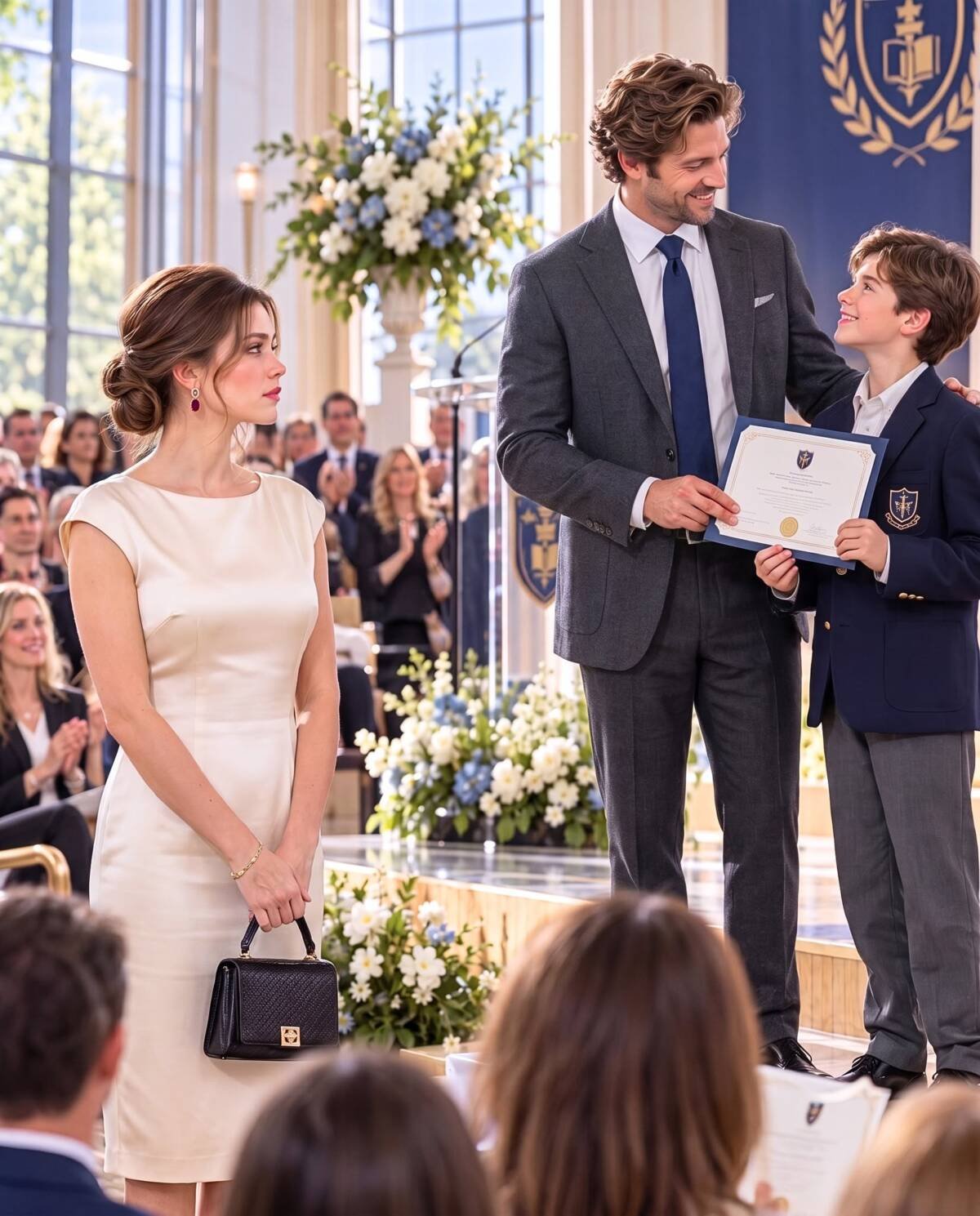
When Daniel’s name was announced, I stood with the rest of the audience.
I watched my son cross the stage, accept his diploma, and smile for the official photograph.
He looked proud.
He looked happy.
And then he began searching the audience.
I realized he wasn’t looking for me.
He was looking for Richard.
When Daniel finally spotted his father, his face changed. He raised a hand, and Richard stood to acknowledge him.
After the ceremony, graduates poured into the crowd of families and friends.
I stayed near the back until I saw Daniel walking directly toward Richard.
Then my son did something I had never expected to witness.
He hugged him.
It wasn’t a hesitant handshake or a polite greeting between strangers. It was an embrace that suggested years of longing had been compressed into a single moment.
I stood still, watching them.
Richard noticed me first.
His expression changed immediately.
“Well,” he said when I approached. “Didn’t expect to see you.”
“Apparently, I could say the same.”
Daniel turned.
The color drained from his face.
“Mom?”
I held the graduation program tightly in my hands.
“So this is why you didn’t want me here.”
Daniel looked toward Sophie, who had just joined us.
Anger flashed across his face.
“You told her?”
Sophie stepped forward.
“Please. Not here.”
I could see people nearby glancing in our direction. This wasn’t the place to settle eleven years of family history, and I had no intention of turning my son’s graduation into a public argument.
But I needed answers.
Daniel finally agreed to let me join them for dinner.
It was clear he wanted the conversation to happen somewhere private, away from the crowd.
I followed them, knowing that the day I had spent years imagining had become something entirely different.
5. The Secret Sophie Had Been Hiding
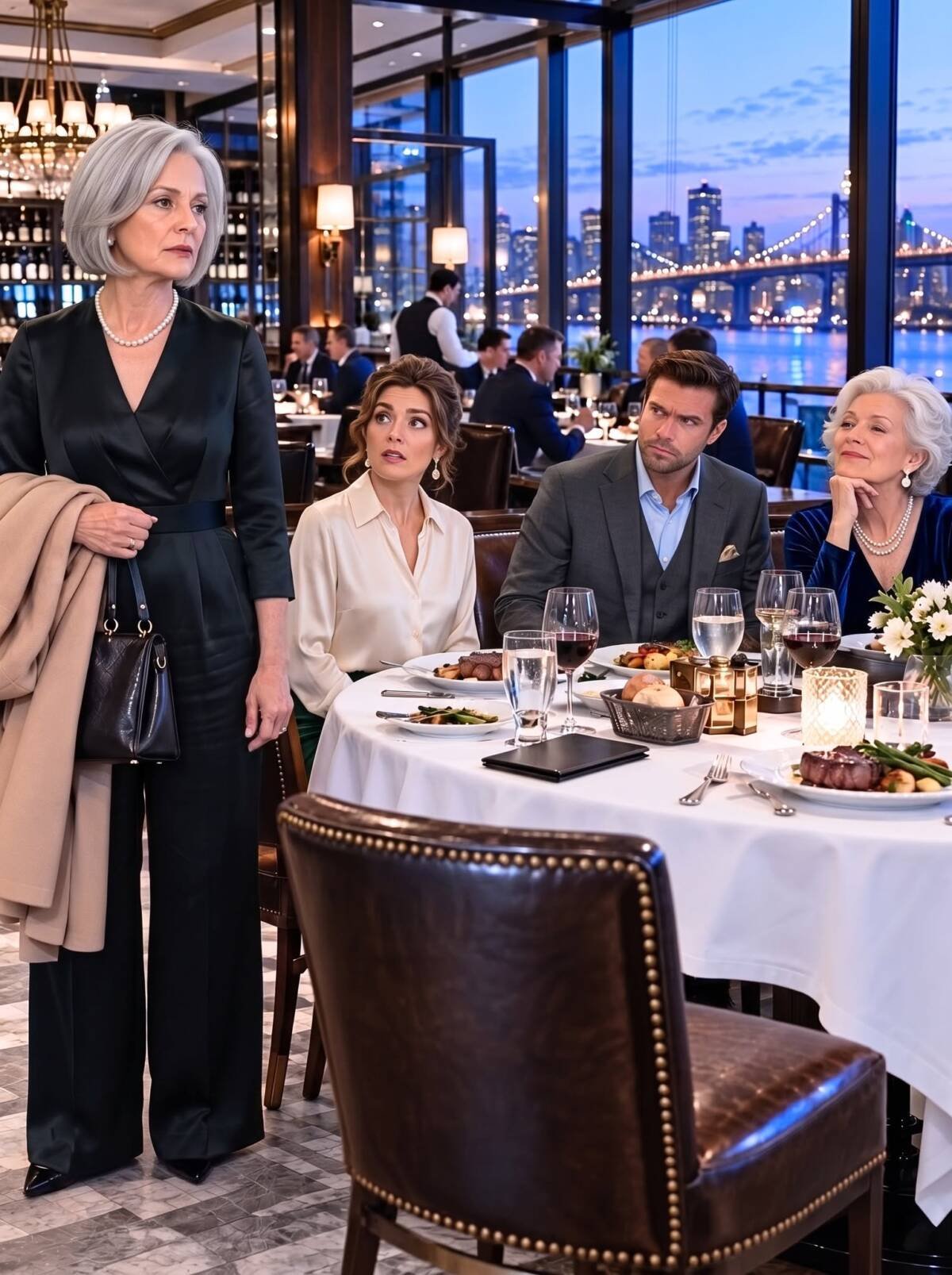
Dinner was uncomfortable from the beginning.
Daniel had made reservations before graduation, but the original plan included Sophie, Richard, and two friends.
I hadn’t been part of it.
When Sophie admitted she had invited me without asking Daniel, he stared at her for several seconds before agreeing that I could stay.
Richard sat across from me.
At one point, he casually asked me to pass the bread.
The ordinary nature of the request was almost absurd.
This was the man who had disappeared from my life eleven years earlier, and now we were sitting across from each other as though we were simply two parents celebrating a graduation.
I passed the bread without speaking.
Throughout dinner, Sophie barely touched her champagne. She looked pale and seemed distracted, while Daniel kept watching her with unusual concern.
Eventually, she excused herself to the restroom.
A few minutes later, I followed her.
When I found her alone, I asked the question that had been bothering me.
“How far along are you?”
Sophie froze.
Then she looked at me with a mixture of surprise and resignation.
“Eight weeks.”
I took a moment to absorb the information.
“Does Daniel know?”
“Yes.”
I leaned against the counter.
“Is that why he contacted Richard?”
Sophie nodded.
Daniel had reached out to his father after learning that she was pregnant. They wanted family medical information to help prepare for the baby’s arrival, including information relevant to inherited health risks and carrier screening.
What began as practical questions had developed into something much bigger.
Daniel wanted to understand his father’s medical history, but he also wanted answers about why Richard had disappeared.
I could understand that.
What I couldn’t understand was why Sophie seemed so troubled.
Then she reached into her purse and pulled out several printed pages.
“I think you need to read these.”
They were four emails exchanged between Richard and Daniel.
I began reading the first one.
Richard described entering treatment when Daniel was ten and remaining sober for nearly two years before attempting to reconnect with his son.
Then I reached a sentence that made my stomach tighten.
“Your mother said contact would only confuse you and asked me to stay away.”
I stared at the page.
It was true.
When Richard contacted me about supervised visits, I had refused. I had believed that allowing him back into Daniel’s life would risk undoing the progress our son had made.
Richard had also written that he sent letters for years, some of which were returned, before eventually stopping because he believed I had made my position clear.
I folded the pages slowly.
Sophie watched me.
“Is it true?”
I struggled to answer.
“It’s complicated.”
She lowered her eyes.
“That’s what Daniel keeps saying.”
Her words hurt because I suddenly recognized the pattern.
For years, I had simplified our family history into a single sentence: Richard left us.
Now Daniel was doing something similar, trying to manage a painful situation by deciding which truths the people he loved were allowed to know.
When we returned to the table, Daniel immediately noticed the papers in my hand.
“Sophie.”
“I’m sorry,” she said.
“You went through my things?”
“I found them beside the printer.”
Daniel accused her of violating his privacy, and I understood why he was upset.
But I also knew that the secrecy surrounding the graduation had become impossible to ignore.
I placed the emails on the table.
“You asked me not to attend your graduation while secretly inviting your father. You knew this would hurt me, and you never gave me a chance to understand why.”
“Mom, I was going to tell you.”
“When?”
“After graduation.”
“Why after?”
He looked down.
“Because I wanted one day that wasn’t about this.”
I understood the feeling.
He had worked hard for four years. He wanted to celebrate his achievement without reopening the wounds of his childhood.
But there was still one question I couldn’t let go.
“Why did you invite him while asking me to stay away?”
Daniel looked at Richard before answering.
“Because I wanted my father at my graduation.”
The words hurt, but I forced myself to listen.
Wanting his father there wasn’t the betrayal. Daniel had every right to decide whether he wanted to rebuild that relationship.
The painful part was that he believed I couldn’t be trusted to handle the situation.
“You didn’t need to exclude me to do that,” I said.
“You would have made a scene.”
“Would I?”
Daniel looked directly at me.
“Wouldn’t you?”
I opened my mouth to respond, but no words came.
My silence seemed to confirm what he already believed.
Then Richard spoke.
“Daniel contacted me because of the baby. He wanted to know about our family medical history.”
He explained that their conversations had eventually moved beyond medical questions. Daniel had asked about his childhood, his addiction, his disappearance, and the years of silence.
Richard had answered some questions.
But there was still something he hadn’t explained.
I looked at him.
“Tell him why you left.”
Daniel frowned.
“He already told me.”
“No,” I replied. “He told you he had problems.”
I kept my eyes on Richard.
“Tell him what happened the night before I made you leave.”
For the first time that evening, Richard looked genuinely afraid.
Daniel slowly turned toward him.
“What is she talking about?”
Richard lowered his eyes.
And then he began to tell the story Daniel had never heard.
6. The Night That Changed Our Family
Richard remained silent for a long moment.
Then he admitted that on the night he drove Daniel home from soccer practice, he had been drinking.
“I drove with you in the car,” he told our son.
Daniel stared at him.
“What?”
“You were nine. I’d been drinking.”
I remembered that night in painful detail.
I remembered the phone call from another parent. I remembered arriving home and seeing the damage to the mailbox. Most of all, I remembered the realization that Daniel had been placed in danger by the very person who was supposed to protect him.
Richard’s addiction had affected our marriage for years, but that night changed everything.
I told him he could no longer live with us.
Daniel had remembered the argument that followed, but he had never known what caused it.
For years, he believed his father had left because our marriage had fallen apart under constant fighting.
Now he understood that the decision had been made after something far more serious.
“You never told me that,” Daniel said.
“I should have,” I replied.
I explained that Richard had entered rehabilitation two months later but eventually relapsed. He disappeared for nearly a year, missing birthdays, Christmas, and important moments in Daniel’s childhood.
I had spent years trying to help our son understand his father’s absence without making him feel responsible for it.
But I had also withheld information that would have helped him understand what happened afterward.
“When you were twelve,” I said, “your father contacted me.”
Daniel turned toward me.
“He wanted to see me?”
“He wanted supervised visits.”
“And you said no.”
“Yes.”
“Why?”
I looked at my son.
“Because you’d finally stopped waiting for him.”
I explained how Daniel used to sit by the front window on birthdays, hoping Richard might come home. I told him how every missed visit and unanswered question had slowly worn away his hope.
I had been terrified that if Richard returned and then disappeared again, Daniel would experience the same heartbreak all over again.
“So you decided for me,” Daniel said.
I nodded.
“Yes.”
There was no excuse that could change that fact.
I had acted out of fear, but I had also made a decision that belonged to my son.
Richard rubbed his face.
“I should have fought harder.”
Daniel turned toward him.
“Why didn’t you?”
Richard swallowed.
“Because part of me was relieved.”
The admission surprised all of us.
He explained that even after becoming sober, he carried enormous shame about what he had done. When I told him Daniel was doing well without him, he convinced himself that staying away was an act of sacrifice.
He had told himself that he was protecting his son.
But he had also been protecting himself from the possibility of failing again.
“It was cowardice,” Richard admitted.
For a moment, nobody at the table spoke.
The story Daniel had grown up believing had become more complicated, but the version Richard had recently given him was incomplete too.
I had withheld letters because I was afraid of what Richard might do to Daniel again.
Richard had abandoned his responsibilities long before I blocked his return. When rebuilding their relationship became difficult, he accepted my refusal instead of fighting for another chance.
Daniel had hidden Richard’s return because he feared my reaction.
Sophie had read private correspondence because she believed I deserved to know what was happening.
Everyone at that table had reasons for their choices.
But none of those reasons erased the consequences.
Daniel finally looked at me again.
“Why did you always say he left?”
“Because when you were nine, he did.”
“But later?”
I nodded.
“Later, the truth changed.”
“And you never changed the story.”
“No.”
That was the part I could no longer blame on Richard, fear, or circumstances.
The truth had changed years earlier, and I had knowingly allowed my son to keep believing an older version because I thought I knew which reality would hurt him less.
For the first time, I understood that protecting Daniel from pain had sometimes meant protecting him from the truth.
And those were not always the same thing.
7. The Twenty-Three Letters I Kept Hidden
Dinner ended with dessert almost untouched.
Richard was the first to leave. Before walking away, he hugged Daniel and then turned toward me.
“I’m sorry,” he said.
“I know.”
It wasn’t forgiveness, and neither of us pretended that it was.
But after years of reducing each other to the worst decisions we had ever made, acknowledging the damage felt like the first honest conversation we had shared in a very long time.
Daniel didn’t speak to me for the next three days.
I didn’t chase him with calls or messages. I knew that after learning how much of his childhood had been shaped by decisions he never knew about, the last thing he needed was his mother trying to control how quickly he processed the truth.
When he finally came to my house, I had already placed the box on the kitchen table.
Inside were twenty-three letters, along with birthday cards, Christmas cards, two postcards, and an envelope containing a small comic book.
Richard had included it because he remembered how much Daniel loved Spider-Man.
Daniel stared at the box before sitting down.
“You kept all of these?”
“Yes.”
“You read them?”
“Some of them.”
He looked at the years of correspondence I had kept hidden.
“I’m angry with you,” he said.
“I know.”
“I’m angry with him too.”
“Good.”
The answer surprised him.
Then Daniel laughed despite himself, and the sound broke some of the tension that had followed us home from graduation.
He picked up the first letter and opened it carefully.
I stood, assuming that whatever Richard had written belonged to Daniel alone.
“Mom?”
I turned around.
“Stay.”
So I sat back down.
We read several letters together, although not all of them. Some things Richard had written were meant only for his son, and I had already made enough decisions about what Daniel was allowed to know.
The letters didn’t magically repair our family history.
They couldn’t return the birthdays Richard had missed. They couldn’t undo my decision to hide his attempts at contact or give Daniel back the years when he believed his father had simply stopped caring.
But they gave him something he had never had before: a more complete understanding of the past.
Some letters contained apologies.
Others described Richard’s efforts to remain sober and his fear that he would disappoint Daniel again.
Several were ordinary messages about birthdays, school, and the things Richard remembered his son enjoying.
They weren’t proof that Richard had been a good father.
They were evidence that his absence had not been as simple as Daniel had been led to believe.
And they raised questions none of us could answer with certainty.
Would Daniel have wanted supervised visits at twelve?
Would Richard have remained sober if he had been allowed back into his son’s life?
Would another disappointment have hurt Daniel more than the years of uncertainty?
We would never know.
What we did know was that Daniel had been denied the opportunity to make that choice himself.
That truth was difficult enough to face.
8. Rebuilding a Relationship, One Conversation at a Time
Over the following months, Daniel and Richard began rebuilding their relationship cautiously.
They started with coffee.
Then came regular phone calls.
Sometimes Daniel told me about their conversations, and sometimes he didn’t. I learned not to ask for every detail because their relationship needed room to develop without my involvement in every step.
Richard didn’t suddenly assume the authority of a father who had been present throughout Daniel’s childhood.
He didn’t demand forgiveness or insist that sobriety erased his mistakes.
Instead, he began showing up in small ways.
He answered calls.
He kept appointments.
He listened when Daniel wanted to talk about the past, and he accepted it when his son wasn’t ready.
It wasn’t a dramatic transformation.
It was a series of ordinary choices, repeated over time.
That was probably what made it meaningful.
Sophie was also preparing for a new chapter in her life. Her pregnancy gave Daniel and Richard practical reasons to spend more time together, particularly as they began preparing for the baby.
Richard offered to help assemble the crib.
His first attempt ended with one side installed backward.
Daniel sent me a photograph of the crooked result.
“Some things are hereditary,” he wrote.
I laughed for the first time in weeks.
His reply arrived almost immediately.
“Very funny.”
It was strange how quickly ordinary moments began appearing around something that had once seemed impossible.
Richard wasn’t being restored to the role he had abandoned. Daniel was allowing him to build a different relationship from the ground up.
I had to learn to do the same.
For years, I had believed protecting Daniel meant standing between him and whatever might hurt him.
But he was no longer the nine-year-old boy who waited beside the window hoping his father would come home.
He was an adult preparing to become a father himself.
If he wanted Richard in his life, my responsibility was no longer to decide whether that relationship was safe enough for him to have.
My responsibility was to respect his choice, even when it frightened me.
That lesson was harder than I expected.
9. The Birth of Nora
Seven months after graduation, Sophie went into labor.
When I arrived at the hospital, I expected to spend hours worrying about Daniel and Sophie, waiting for news and hoping everything would go well.
Instead, I found Richard already sitting in the waiting room.
A year earlier, I couldn’t have imagined sitting beside him while waiting for our first grandchild.
We exchanged a quiet greeting.
Neither of us knew what to say.
Eventually, we began talking about the baby, about Sophie, and about how Daniel had been handling the approaching birth.
The conversation was awkward, but it was also peaceful.
We weren’t pretending that the past had disappeared.
We were simply allowing ourselves to exist in the same room without turning every moment into a reminder of what had gone wrong.
Then Daniel appeared.
He looked exhausted, overwhelmed, and happier than I had ever seen him.
“She’s here,” he said.
Richard grabbed my shoulder.
Without thinking, I grabbed his.
For about ten seconds, we weren’t former spouses carrying decades of disappointment and blame.
We were simply Nora’s grandparents.
When we finally met the baby, Daniel held her carefully while Sophie rested.
I watched my son look at his daughter, and I wondered what kind of father he would become.
Would he make mistakes?
Of course.
Would he sometimes be afraid that the world would hurt her?
Almost certainly.
But I hoped he would remember what our family had learned the hard way: children deserve protection, but they also deserve the truth in ways they can understand.
And when they grow up, they deserve the freedom to make their own decisions about the people they love.
Watching Daniel hold Nora made me realize that his becoming a father hadn’t only reopened the door to Richard.
It had forced all of us to decide what we were willing to leave behind.
10. The Apology I Owed My Son
Eventually, Daniel and I returned to the subject of his graduation.
We were sitting together when he finally admitted why he had asked me not to attend.
“I was afraid you’d see Dad and get upset,” he said. “I didn’t want the ceremony to turn into a fight.”
I thought about the day I had spent years imagining.
I thought about arriving at the auditorium, seeing Richard, and feeling every unresolved emotion rush back at once.
Perhaps Daniel had been right to worry that the reunion would be difficult.
But that didn’t mean excluding me had been the right decision.
“I shouldn’t have asked you to stay away,” he said.
I accepted his apology.
Then I knew it was my turn.
“I should have told you when your father tried to come back.”
Daniel was quiet for a moment.
“I understand why you did it.”
His words could have offered me an easy escape.
I could have accepted his understanding as permission to stop feeling guilty. I could have told myself that everything had worked out, that Richard was sober, that Daniel was building a relationship with his father, and that the past was finally behind us.
But I no longer wanted an easy escape.
“Understanding isn’t the same as saying it was right,” I told him.
He looked at me for a long moment.
I explained that I had genuinely wanted to protect him. I had watched him suffer through years of disappointment, and I was terrified that allowing Richard back into his life would cause him to suffer again.
But my intentions didn’t erase the consequences.
I had kept information from my son because I believed I knew what was best for him.
I had decided that the risk of disappointment was more important than his right to understand his own family history.
I had taken away a choice that should have belonged to him.
Daniel listened without interrupting.
“I don’t know what I would have done if you’d told me,” he finally said.
“Neither do I.”
“Maybe I would have wanted to see him. Maybe I wouldn’t.”
“That’s true.”
“But I should have had the chance to decide.”
I nodded.
“Yes, you should have.”
There was no perfect response to that admission.
No explanation could return the years he had lost. No apology could restore the conversations that never happened or the opportunities he never knew existed.
All I could do was acknowledge the truth and stop trying to control what happened next.
For years, I had believed the worst possible thing would be seeing Richard again.
Instead, the hardest moment was realizing that my son had grown into adulthood without knowing that his father had once tried to return.
Richard really had left us when Daniel was nine.
I really had protected our son from years of instability.
Both statements were true.
Neither told the entire story.
The rest of the truth was harder to accept. Richard eventually became sober and reached out, and I decided Daniel was safer believing that the door had remained permanently closed.
Perhaps that decision protected him from another disappointment.
Richard could have relapsed again. He could have disappeared again. He could have reopened wounds Daniel had only begun to recover from.
I will never know what would have happened if I had allowed supervised visits when Daniel was twelve.
But protection had come with a price.
Daniel lost the opportunity to make that choice himself, while Richard eventually accepted my refusal because part of him was still too ashamed and afraid to fight for the relationship he claimed to want.
Neither of us could change that now.
We could only decide what to do with the truth.
11. The Door I Finally Stopped Guarding
The birth of Nora didn’t erase what had happened between Richard, Daniel, and me.
But it gave us something new to build around instead of constantly returning to what had been lost.
Daniel didn’t suddenly forgive either of us, and I was grateful that he didn’t pretend everything was repaired simply because he had become a father.
His relationship with Richard continued slowly, shaped by ordinary conversations and small acts of consistency rather than dramatic promises about making up for eleven missing years.
Richard had to learn that being sober was only the beginning of rebuilding trust.
I had to learn that being a protective mother didn’t mean I was always right.
And Daniel had to decide what kind of relationship he wanted with both of us.
For the first time, nobody was pretending that our family history contained one simple villain.
Richard had failed Daniel first.
I had withheld the truth later.
Daniel had hidden the graduation reunion because he feared my reaction.
Sophie had crossed a privacy boundary because she believed the secrecy was making everything worse.
None of us had handled everything perfectly.
But for the first time, we were willing to admit it.
That honesty gave Daniel something neither Richard nor I had fully given him when he was younger: the ability to decide what the truth meant for himself.
Sometimes I still think about the graduation.
I think about sitting near the back of the auditorium, seeing Richard three rows ahead, and realizing that my son had made a place for his father while asking his mother to stay away.
At the time, I felt rejected.
I thought Daniel was choosing Richard over me.
I thought eleven years of raising him alone had earned me a place at every important moment in his life.
But love doesn’t work like a contract.
Being his mother didn’t give me ownership of his decisions.
Being the parent who stayed didn’t mean I could never be wrong.
And being afraid that someone might hurt him didn’t mean I had the right to decide which relationships he was allowed to pursue.
The most painful lesson was that I could love my son deeply, sacrifice for him, and genuinely want the best for him while still making a decision that hurt him.
Good intentions matter.
But they don’t erase consequences.
Watching Daniel hold Nora made that clearer than anything else could have.
He was now responsible for protecting a child of his own. Someday, he would face decisions that frightened him. He would have to decide when to intervene, when to offer guidance, and when to step back and allow his daughter to make her own choices.
I hoped he would remember our family’s story.
I hoped he would remember that the truth can be painful, but hiding it doesn’t always protect the people we love.
And I hoped he would understand that trust isn’t built by preventing every possible disappointment.
Sometimes trust means being honest about the risks and allowing another person to decide what they are willing to face.
For years, I believed keeping Richard away had prevented my son from being hurt twice.
Perhaps, for a while, it did.
But Daniel eventually found the door I had kept closed and opened it himself.
This time, I didn’t stand in front of it.
I stepped aside.
Not because I had suddenly forgotten the past.
Not because Richard’s apologies erased what he had done.
And not because I believed our family would never struggle again.
I stepped aside because the choice was Daniel’s to make.
He was no longer the little boy waiting by the window for his father to come home. He was a grown man, a husband-to-be, and a father who would have to learn from his own mistakes.
My job was no longer to decide which truths he could handle or which relationships he should be allowed to have.
My job was to love him enough to let him choose.
And perhaps that was the final lesson I needed to learn as his mother: sometimes, protecting the people we love means keeping them safe from danger. Other times, it means trusting them with the truth, even when we are afraid of what they might do with it.
I still don’t know whether I made the right decision all those years ago when I refused Richard’s request to see Daniel.
I know why I did it.
I know what I feared.
And I know that my son deserved to have a say in the decision.
That is the truth I can finally accept.
The past cannot be rewritten. The lost years cannot be returned. But the future is no longer something I need to control.
And as I watch Daniel raise Nora, I hope he grows up knowing that his family can make mistakes, tell difficult truths, and still find a way forward.
Not by pretending the past never happened.
But by finally allowing everyone to face it.
What Would You Have Done in Amanda’s Place?
Amanda believed she was protecting her son from another heartbreak. Richard believed staying away would spare Daniel further disappointment. Yet both decisions kept Daniel from making his own choices about his father.
Was Amanda wrong to refuse Richard’s attempts to reconnect when Daniel was twelve, or was she right to prioritize her son’s emotional safety?
Share your thoughts in the comments. And if this story reminded you that family relationships are rarely as simple as they appear, share it with someone who might understand its message.
Sometimes, the truth doesn’t repair the past—but it gives us a chance to build something more honest for the future.