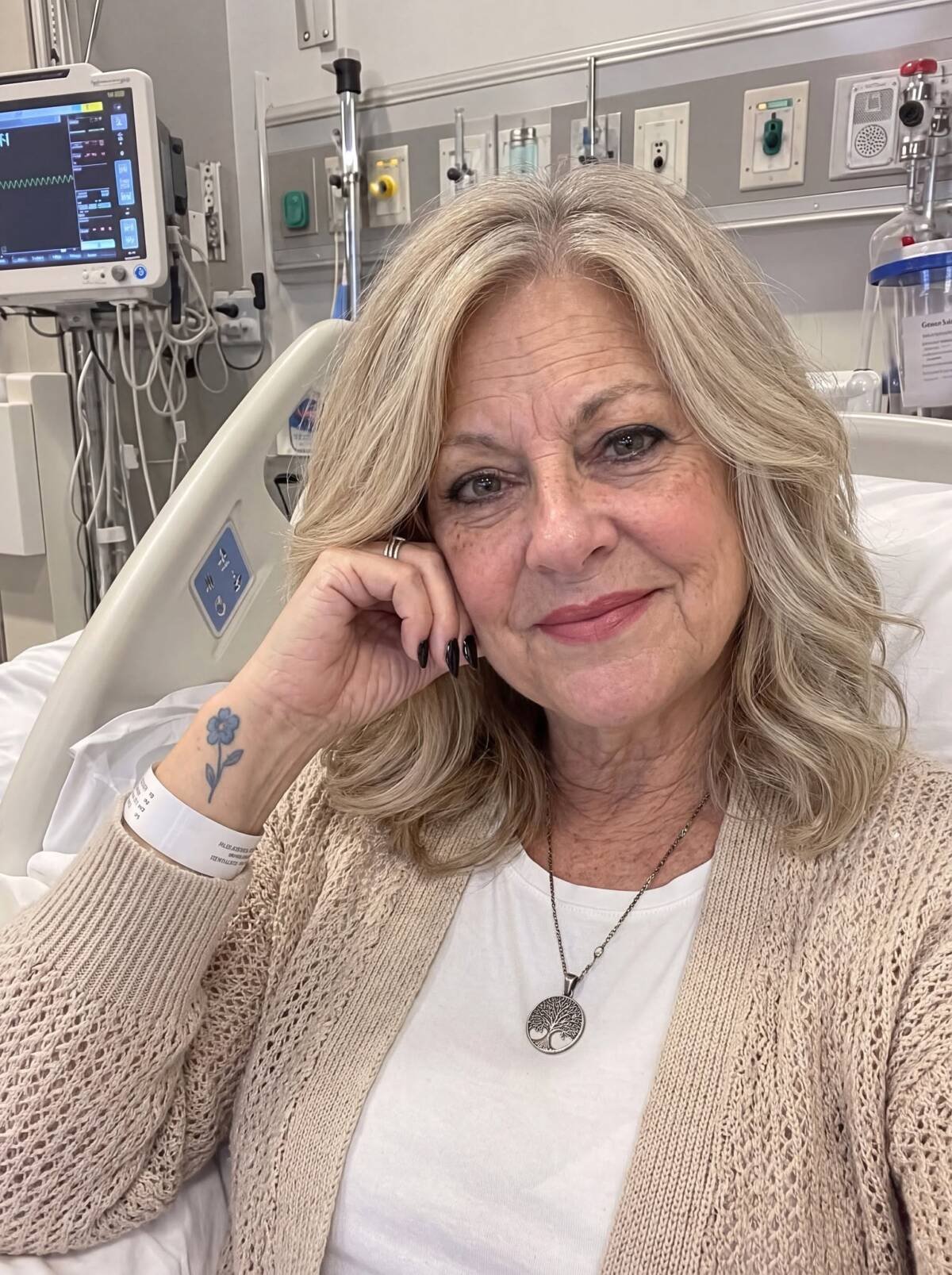
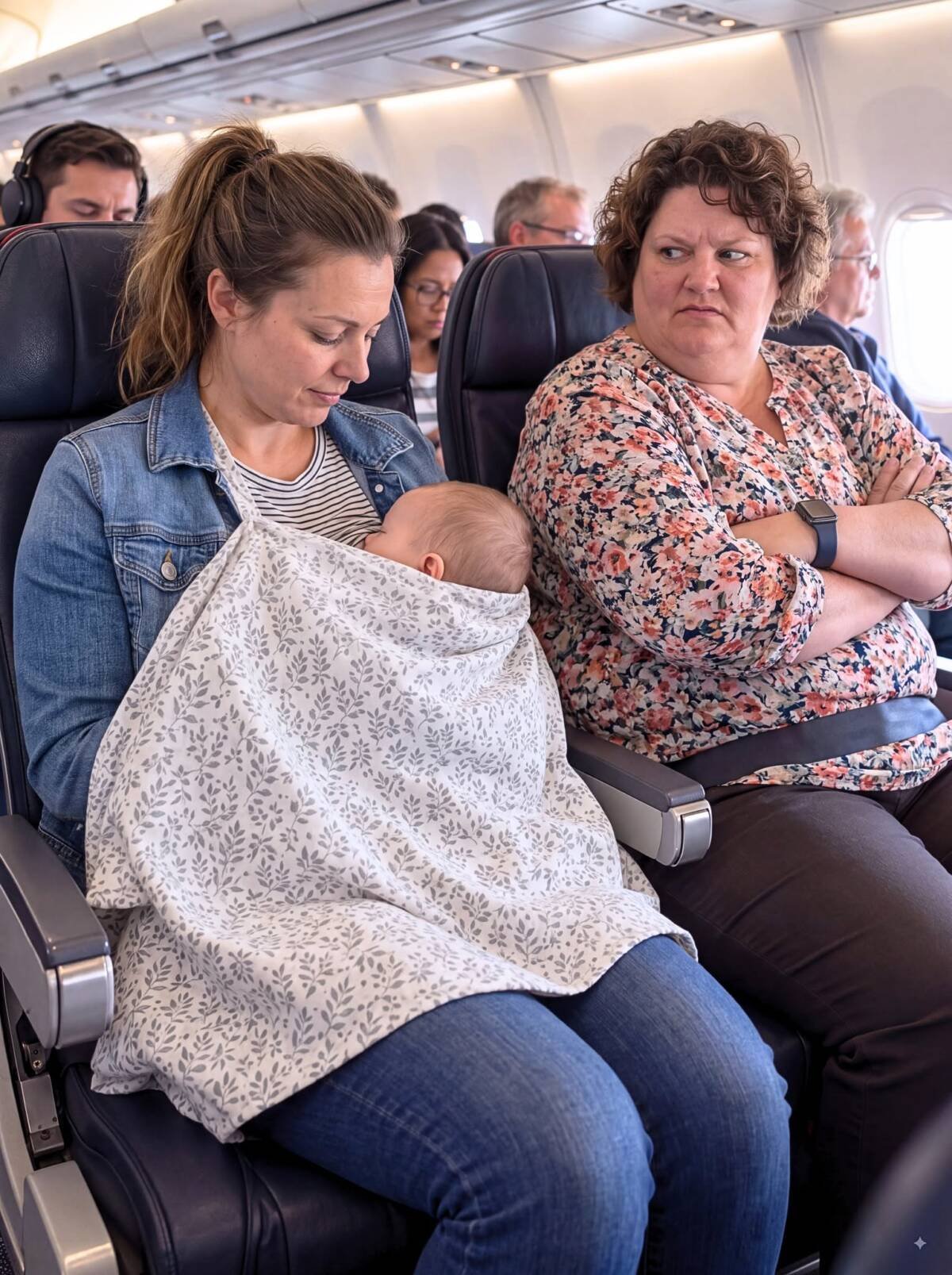
He died before he could hold our daughter. But before he was gone, he left behind one final message—and a warning about the woman who would eventually accuse me of betraying him.
I was eight months pregnant when my husband died, and in the hours that followed, I discovered that grief could be more than an emotion. It could become a battlefield.
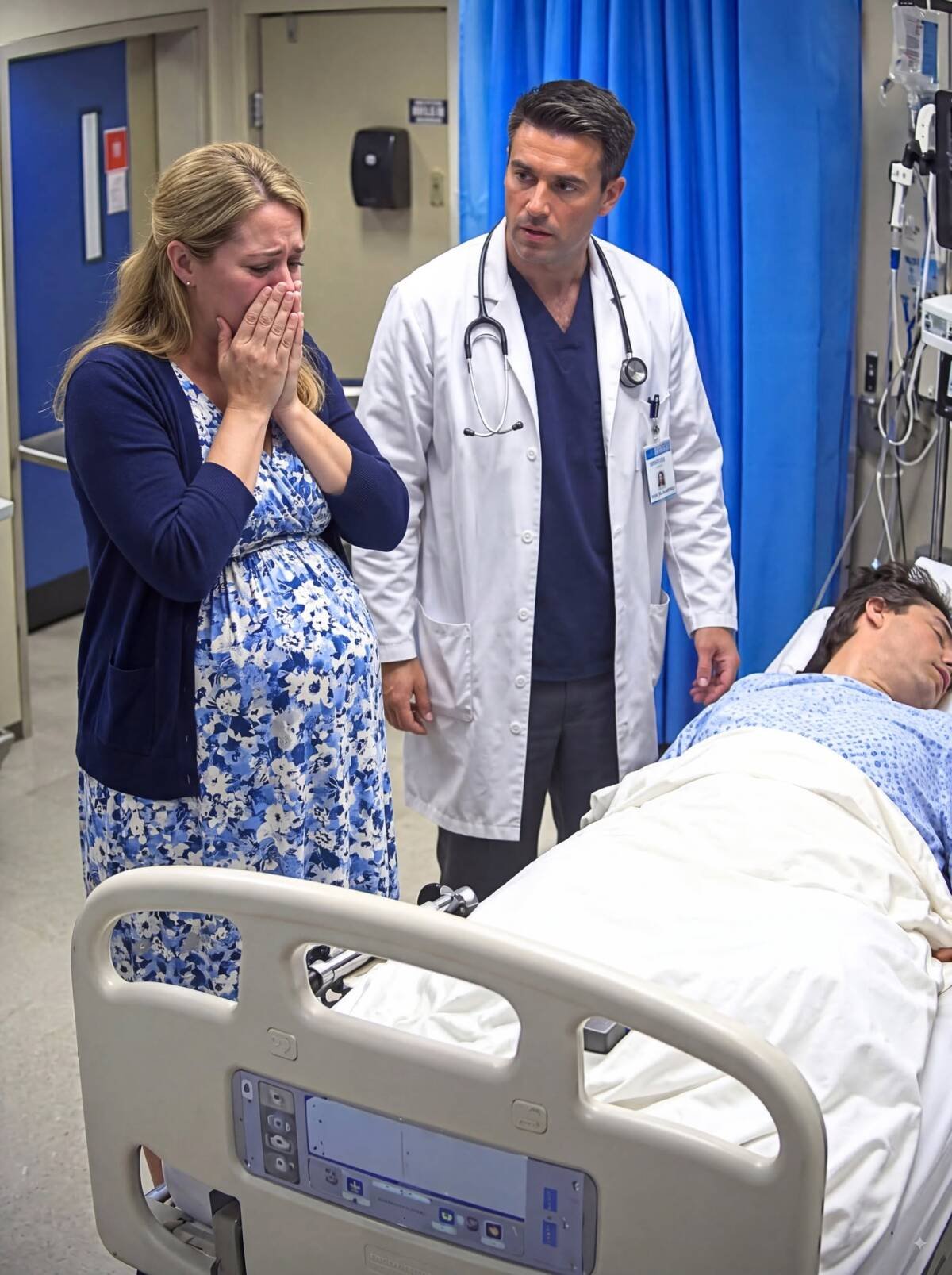
I had barely walked out of Mercy General Hospital when Dr. Barrett hurried after me, carrying a plain white envelope.
“Callie, wait.”
I stopped, though I honestly wanted to keep walking. I had spent the morning listening to doctors explain what had happened, answering questions I could barely understand, and trying to accept that the man I loved would never come home.
Now I was supposed to stop in a hospital corridor and listen to something else?
“Liam gave me this three weeks ago,” Dr. Barrett said. “He asked me to keep it until after he was gone.”
I looked down.
My name was written across the envelope in Liam’s unmistakable handwriting.
“What is it?”
Dr. Barrett hesitated.
“He said you would understand when you needed it most.”
My fingers tightened around the envelope.
“What does that mean?”
“I think he wanted you to discover that for yourself.”
I wanted to open it immediately. I wanted answers. I wanted Liam to have left something that could make the unbearable feel even slightly less impossible.
But I was afraid, too.
Because somewhere deep inside, I already knew that whatever Liam had written would be another reminder of everything I had lost.
And I had no idea that the secret inside that envelope would eventually change my relationship with his mother—and help me understand the final promise he had made to protect me.
A Marriage Built Around Ordinary Dreams
Two months earlier, our biggest arguments had been about baby names.
Liam wanted Cecily.
I preferred something shorter.
He insisted that his grandmother had once sung an old song with that name, and he wanted our daughter to carry something connected to the woman who had helped raise him.
“She would have loved her,” he said one evening, resting his palm against my stomach.
Cecily kicked.
Liam immediately smiled.
“See? She approves.”
“She kicked because you’re talking too loudly.”
“I’m counting it as approval.”
I rolled my eyes, but eventually I agreed.
We had waited years for that baby.
For a long time, becoming parents had felt like something that belonged to other people. Friends announced pregnancies. Relatives sent photographs of newborns. Every holiday seemed to include another conversation about when we were going to have children.
Then, finally, there was Cecily.
We bought a crib. We argued about paint colors. Liam spent an entire Saturday assembling a dresser and insisted he had followed the instructions perfectly, even though he had somehow installed two drawers backward.
I laughed so hard that I had to sit down.
He looked offended.
“I was testing the structural integrity.”
“You were testing my patience.”
He kissed my forehead.
Those were the moments I thought I would remember forever.
I never imagined that they would become the memories I would cling to while preparing to raise our daughter alone.
Six months into my pregnancy, Liam became seriously ill.
At first, we believed it was something manageable. A few appointments, some tests, perhaps an aggressive treatment that would eventually bring us back to normal.
Then the specialists began using words I had never wanted to hear.
The diagnosis was devastating.
The illness was aggressive, and the doctors told us Liam probably had less than three months.
I remember sitting beside him when we received the news.
He stared at the floor.
I stared at the doctor.
Neither of us seemed capable of asking the questions we should have asked.
Finally, I whispered, “There has to be something else.”
The doctor explained the options, the limitations, and the uncertainty.
I heard almost none of it.
All I could think about was the baby moving beneath my shirt.
Cecily was going to have a father.
And I was going to lose my husband.
The Conversation That Changed Everything
As Liam’s condition worsened, he began talking about what he wanted after his death.
One evening, we sat on our porch while the sky turned orange over the neighboring houses.
Cecily moved beneath my shirt.
Liam rested his hand against my stomach and smiled faintly.
“I want to donate my organs.”
I turned toward him.
“What?”
“If they’re medically suitable. Whatever they can use.”
I stared at him.
“Please don’t make dying sound noble when I’m already furious at the universe.”
He looked down.
“I’m scared too, Callie.”
That admission hurt more than anything else.
Liam had always been the person who made things feel manageable. He was the one who checked the locks, remembered appointments, and insisted that problems could be solved if we approached them one at a time.
Hearing him admit that he was afraid made the future feel suddenly real.
I squeezed his hand.
“I don’t know how I’m supposed to raise her without you.”
He looked at me for a long moment.
“You don’t have to know how yet.”
“That’s not an answer.”
“You’ll make it up as you go.”
I wanted to argue.
I wanted him to tell me that everything would somehow work out, that the doctors were wrong, and that he would be there when Cecily took her first steps.
Instead, he gave me the only honest answer he could.
And I hated him a little for it.
Not because he had done anything wrong.
Because he was leaving me with a future I had never wanted.
His Mother Could Not Accept His Decision
Liam’s mother, Brenda, had always been protective of him.
She called regularly. She remembered every birthday. She knew which foods he hated and which childhood stories embarrassed him most.
When his illness became serious, she began spending more time with us.
At first, I appreciated it.
I thought having his mother nearby would help Liam feel less alone.
But when he told her about his organ donation decision, everything changed.
Brenda was horrified.
She could not bear the thought of her son dying and parts of his body being given to strangers.
“She wants something to be angry at right now,” Liam told me.
“Then maybe I should talk to her.”
“No.”
“Why not?”
“Because she’ll actually listen to you, and I don’t want her grief becoming your burden.”
I thought he was being overly protective.
I told him that Brenda was my family, too, and that we could work through the disagreement together.
But Liam insisted that the decision was his.
He did not want me negotiating his final wishes with anyone.
He did not want his mother to believe that she could change his mind by making the decision painful enough.
And he did not want me caught between the two of them.
I understood his reasoning.
I still hated being excluded.
Especially when we had so little time left.
The Secret Meetings With His Doctor
During Liam’s final weeks, something else began happening.
He started asking Dr. Barrett to speak with him privately.
Sometimes the conversations took place after appointments.
Other times, Dr. Barrett would return to the room after Liam had already asked me to step outside.
I noticed.
Of course I noticed.
“What’s going on?”
“Just something I need to handle myself.”
“Without me?”
“Yes.”
I crossed my arms.
“Liam.”
He reached for my hand.
“I promise it’s ultimately for you.”
That answer irritated me.
We had spent our entire marriage sharing everything. Even when we disagreed, we talked.
Now he was keeping something from me.
And I had no idea whether it was related to his treatment, his medical decisions, or something else entirely.
I asked again.
He refused to explain.
Finally, I stopped pushing.
I trusted him.
I loved him.
And I believed that whatever he was doing, he had a reason.
I just never imagined that he was preparing for the possibility that someone would try to make me doubt him after he was gone.
The Day I Lost My Husband
Liam died on a rainy Tuesday morning.
I was holding his hand when his breathing changed.
The room became strangely quiet.
I remember looking at the clock.
I remember hearing someone say his name.
I remember squeezing his fingers and telling him that I loved him.
And then I remember realizing that he was gone.
I don’t remember leaving the room.
I don’t remember walking through the hospital.
I remember signing paperwork.
I remember answering questions.
And I remember repeating the same sentence whenever someone asked whether I was certain about the organ donation.
“Yes. This was his choice.”
It was.
Liam had made that decision himself.
I knew it.
I had heard him explain it. I had watched him think about it. I had seen the way he looked when he talked about helping someone else survive.
He wanted another family to have more time.
He wanted someone else to have a chance.
And I could not imagine honoring him by pretending that his final wish had never existed.
After the donation arrangements were completed, I thought the hardest part was over.
I was wrong.
Because two days later, I discovered that the envelope Liam had left behind was not simply a goodbye.
It was a warning.
The Envelope I Was Afraid to Open
That night, I sat alone at our kitchen table.
The house was quiet.
The nursery was unfinished.
Liam’s coffee mug was still sitting beside the sink.
I had not moved it.
I couldn’t.
Every object seemed to contain a piece of him, and touching anything felt like admitting that he would never come back to use it.
I finally opened the envelope.
Inside was a black USB drive and a handwritten note.
The message was short.
“Don’t watch this just because you miss my voice. Watch it if somebody makes you doubt my choices, or if they make you doubt your own strength.”
I read it twice.
Then I placed the drive in my desk drawer.
I was not ready.
I did not want to hear his voice yet.
I did not want to see his face.
I did not want another reminder that the person I loved most had known he was dying and had spent part of his remaining time preparing something I would need after he was gone.
I closed the drawer.
And for a while, I tried to pretend the envelope did not exist.
But Liam had been right about one thing.
Someone was already preparing to make me doubt myself.
And that person was his mother.
The Woman Who Made Me the Villain
Two days after I received the envelope, Brenda arrived without calling.
I found her upstairs in Cecily’s unfinished nursery.
She stood beside the crib, carefully refolding a pink baby blanket.
For a moment, I thought she had come to help.
Then she asked a question that made my stomach tighten.
“Did they end up taking everything?”
I stopped in the doorway.
“What?”
“The donation.”
I understood immediately.
“The medical team only took what could actually be donated.”
Brenda looked down at the blanket.
“And you’re completely fine with that?”
I stared at her.
“Fine?”
“Yes. You agreed to it.”
I took a breath.
“Brenda, supporting Liam’s decision doesn’t mean any of this was easy for me.”
She shook her head.
“His heart. His skin. His eyes. All those pieces of my son are going to strangers.”
“Because he wanted them to help people.”
She looked at me.
“At least you still get to keep a physical part of him.”
My hand immediately moved over my stomach.
“Don’t bring our daughter into this.”
Brenda said nothing.
She folded the blanket again.
Then she left.
I stood in the nursery long after the front door closed.
I had spent weeks trying to understand her grief.
I knew she was devastated.
I knew she was angry.
I knew that losing her only son had destroyed the future she had imagined.
But I could not accept the idea that Cecily was somehow a replacement for Liam’s body.
She was our daughter.
She was a person.
And she was not responsible for making anyone feel better about losing her father.
The Accusation at His Memorial
The argument might have ended there.
But the following weekend, we held Liam’s memorial service.
Relatives gathered to remember him.
People shared stories.
Some talked about his generosity.
Others talked about his sense of humor.
Several told me how proud they were of his decision to donate his organs.
I stood quietly, listening.
I was exhausted.
I was eight months pregnant.
And I was trying to survive the first week of a life I had never wanted.
Then Brenda interrupted.
“She doesn’t get to stand there and be proud of this.”
The room fell silent.
I turned toward her.
“What?”
She looked directly at me.
“Liam could barely walk near the end. He was weak. He was heavily medicated. How are we supposed to believe he calmly chose to give away his body?”
“He did choose it.”
“You pushed him into it!”
I felt every person in the room looking at me.
My face burned.
My hands trembled.
But I refused to let her turn Liam’s memorial into a courtroom.
“I honored my husband’s dying wish.”
Brenda shook her head.
“He wasn’t himself.”
I wanted to scream.
I wanted to tell her that I had watched him make that decision.
That I had heard his reasons.
That I had loved him enough to respect his wishes even when they hurt.
Instead, I stepped away.
I did not want to fight at his memorial.
I did not want Cecily’s future to begin with another argument about her father.
But the accusation followed me home.
And it was not long before I realized that Brenda had been telling other relatives the same thing.
The Question That Finally Broke Me
That evening, Liam’s aunt approached me near the door.
She looked uncomfortable.
“Was Liam taking medication that could have affected his judgment?”
I stared at her.
“Why are you asking me that?”
She hesitated.
“Brenda has been telling people he might not have been thinking clearly.”
I felt something inside me go cold.
It was no longer simply a disagreement between a grieving mother and a grieving wife.
Brenda was allowing people to believe that I had manipulated a dying man into giving away his organs.
She was questioning Liam’s judgment.
She was questioning my integrity.
And she was doing it while I was carrying the child he had wanted so desperately to meet.
I went home.
I walked straight into Cecily’s nursery.
And I opened my desk drawer.
The USB drive was still there.
I took it out.
I placed it beside my laptop.
For several minutes, I stared at it.
Then I plugged it in.
The Video Liam Left Behind
The screen flickered.
Liam appeared.
He was sitting in what looked like Dr. Barrett’s office.
His face was thinner than I remembered.
His eyes were tired.
But when he smiled, I recognized the expression immediately.
“If you’re watching this because you miss me, turn it off.”
I almost laughed.
Even from beyond the grave, he was trying to boss me around.
“You don’t get to tell me what to do anymore,” I whispered.
Then his expression changed.
“My mom asked me not to donate my organs. More than once.”
I stopped breathing.
“Eventually, she asked whether the decision was really mine or whether you were forcing me.”
Tears immediately filled my eyes.
Liam continued.
“I told her clearly that it was my decision. I understand why she’s hurting, but her grief does not give her the right to make you the villain.”
I covered my mouth.
He had known.
He had known that Brenda might turn against me.
And he had prepared something to protect me.
The recording continued.
“Don’t protect my memory by letting her hurt you. And don’t let Cecily grow up believing her father was too weak to make his own choices.”
I paused the video.
His face froze on the screen.
I stared at him.
“You knew she would do this.”
I was furious.
Not only at Brenda.
At Liam, too.
He had known there might be a fight.
He had known I would be caught in the middle.
And he had kept the recording secret.
I understood why.
I still hated that he had left me to discover it alone.
But I could not deny the truth.
He had tried to protect me.
Even when he was dying.
The Second Confrontation
Two days later, Brenda returned.
She carried an embroidered baby blanket.
She walked into the house and announced that Cecily should carry Liam’s full name somewhere in hers.
“We already chose her name months ago.”
“She deserves a permanent marker from her father.”
“She doesn’t need his name attached to hers to prove she’s his daughter.”
Brenda looked at my stomach.
Then she said something that made my anger rise.
“Liam changed his mind about several things near the end.”
I stared at her.
“What things?”
She shrugged.
“He kept important things from you, Callie.”
The words hurt because they contained just enough truth to be cruel.
Liam had kept the video secret.
But that did not mean Brenda could rewrite the decisions we had made together.
“Liam and I chose Cecily’s name on our porch. We made that decision together.”
Brenda continued arguing.
And for the first time, I did not feel the need to explain myself.
I had spent weeks allowing her grief to enter my home, challenge my marriage, and reshape Liam’s wishes.
I had done it because I felt guilty.
Because she had lost her only son.
Because I knew that nothing I said could make her pain disappear.
But I finally understood something.
Being compassionate did not mean surrendering every boundary.
“Go home, Brenda.”
She stared at me.
“You cannot be serious.”
“I am.”
Her expression hardened.
“You’ve questioned Liam’s judgment. You’ve allowed relatives to question my integrity. And now you’re trying to rewrite what he wanted for our daughter.”
I took a breath.
“I am not allowing that anymore.”
Her anger immediately cracked into pain.
“I just lost my only son!”
“I know.”
“You have no idea what that feels like!”
She was right.
I could never know exactly what it felt like to lose her child.
But she could not know what it felt like to lose a husband while carrying the daughter he would never hold.
“You don’t know what it feels like to lose your husband while carrying his child,” I said quietly.
“We can hurt differently without destroying each other.”
Brenda left without responding.
And for the first time, I did not chase after her.
The Birth of Cecily
Two weeks later, Cecily was born at Sacramento General.
The delivery was quiet and uncomplicated.
When the nurses placed her against my chest, I felt something I had never experienced before.
She was so small.
Her fingers curled around my thumb.
And immediately, I thought of Liam.
He had slept with his thumb tucked into his fist every night of our marriage.
I looked down at our daughter.
“Of course you sleep like your dad.”
The happiness hurt.
It hurt because I wanted Liam there.
I wanted him to see her.
I wanted him to hold her.
I wanted him to complain that she had too much hair or that she looked exactly like me.
Instead, I was alone.
And I had to learn how to be both parents without pretending I could replace the one we had lost.
Brenda came to the hospital the following morning.
She stopped near the doorway.
For the first time in weeks, she seemed uncertain about what she was entitled to.
“Can I hold her?”
That simple question mattered more than she probably understood.
She had finally asked.
I carefully placed Cecily in her arms.
Brenda looked down.
Her expression softened.
“Hi, sweetheart.”
She smiled through her tears.
“I knew your daddy back when he didn’t have any teeth either.”
For a brief moment, neither of us was fighting.
We were simply two women missing the same man.
And I hoped that Cecily’s arrival might finally change everything.
The Argument I Refused to Have Again
For several weeks, it almost seemed possible.
Brenda visited.
She brought baby clothes.
She helped with meals.
She sat beside Cecily’s crib and watched her sleep.
Sometimes she told stories about Liam.
I listened.
I wanted Cecily to know her father.
I wanted Brenda to have a relationship with her granddaughter.
I wanted our family to survive.
But one afternoon, while I was preparing tea, I heard Brenda speaking quietly to Liam’s aunt in the living room.
She was holding Cecily.
And she was repeating the same accusation I thought we had finally left behind.
“Liam wasn’t himself during those final weeks. Callie handled those medical decisions, and he never would have chosen donation if he’d been thinking clearly.”
I walked into the room.
“Give her to me.”
Brenda looked startled.
“Callie, I was just—”
“Give me my daughter.”
She reluctantly handed Cecily back.
I held my baby against my chest.
Then I looked directly at the woman who had once treated me like a daughter.
“You will never tell those lies in front of her again.”
Brenda protested.
“She is too young to understand.”
“She won’t always be a baby.”
That was the moment I finally understood what Liam had left behind.
The recording was not only evidence.
It was a boundary.
It was a reminder that grief did not give anyone permission to rewrite another person’s life.
And this time, I was going to make Brenda listen.
The Message Liam Left for His Mother
Brenda stared at Cecily sleeping against my chest.
The resentment she had been trying to hide finally surfaced completely.
She said that I still had the privilege of seeing Liam every day through our daughter.
She said that I had something she would never have again.
“You look at her and see him. What do I get?”
I looked at Brenda for several seconds.
Then I answered honestly.
“You had me.”
Her face changed.
“You had me this whole time, Brenda. I loved you too.”
For the first time, her anger collapsed instead of growing.
She covered her face.
She began crying.
But even through the tears, she continued insisting that Liam had not been himself near the end.
“He wasn’t in his right mind.”
I knew then that nothing I said would convince her.
She had built her grief around the belief that someone else had taken control from her son.
Admitting that Liam had made the decision himself meant accepting something she could not bear.
I took a breath.
“He knew you were going to say that.”
Brenda slowly looked up.
“What do you mean?”
I placed Cecily safely beside me.
Then I opened my laptop.
When Brenda saw the video file, the color drained from her face.
“If Liam had something important to say, he should have told me while he was alive.”
“He tried,” I said. “You wouldn’t listen.”
I pressed play.
Liam’s recorded voice filled the room.
“Organ donation was entirely my choice, Mom.”
Brenda closed her eyes.
Liam continued.
“Mom, if you’re hearing this, you’re probably furious with the world. You loved me before anyone else did, but loving me doesn’t mean you get to decide which choices were mine to make.”
Nobody moved.
“Don’t force Callie to prove she loved me by agreeing with your pain.”
Brenda began trembling.
“And please don’t put Cecily in the middle of your anger. She isn’t just something physical I left behind.”
I felt tears running down my face.
“She is our daughter, and she deserves to grow up becoming herself.”
Brenda suddenly whispered.
“Turn it off.”
I paused the recording.
The room became silent.
She sat beside me, trembling.
For the first time, I did not see an opponent.
I saw a mother who had lost her only son and had been fighting reality because accepting it hurt more than blaming me.
“I want Cecily to know you,” I said.
“I want her to love you as her grandmother.”
Brenda cried harder.
“But you will never tell her that I forced Liam into that decision. And you will never make her responsible for how much you miss him.”
She looked down.
“I don’t know who I’m supposed to be without him.”
I swallowed.
“Neither do I.”
That was the first honest conversation we had shared since Liam died.
Neither of us tried to prove whose grief was greater.
Neither of us pretended Cecily could replace the man we had lost.
And for the first time, I believed that we might actually find a way forward.
The Months That Followed
Healing did not happen overnight.
There were still difficult conversations.
There were still moments when Brenda looked at Cecily and suddenly became overwhelmed.
There were still nights when I cried because I wanted Liam to be there.
But something had changed.
Brenda began calling before visiting.
She asked permission before picking Cecily up.
She stopped making comments about the organ donation.
And when she missed Liam, she finally said exactly that.
“I miss my son.”
Those words mattered.
Because they no longer carried an accusation.
They no longer suggested that I had somehow taken something from her.
They simply expressed the truth.
She missed Liam.
I missed Liam.
And neither of us had to make the other person responsible for that pain.
Six months after his death, we sat together in the living room.
Cecily was on the rug, struggling with a wooden block.
She gripped it so tightly that her tiny knuckles turned white.
Brenda laughed.
“Look at that grip.”
I smiled from the armchair.
“She gets that from Liam.”
Brenda looked at Cecily for a long moment.
I saw the familiar instinct flicker across her face.
The need to search every expression and movement for proof that some part of her son was still physically present.
Then she shook her head.
“No.”
She smiled.
“That strength is hers.”
I felt something settle inside me.
Those four words told me that Liam’s message had finally reached the person who needed it most.
The Secret Finally Made Sense
I still had Liam’s USB drive.
It remained stored safely on my computer.
Sometimes I watched the recording.
Sometimes I didn’t.
But I no longer needed to replay it whenever doubt crept in.
Liam had left it because he feared other people might make me question my strength.
And eventually, I realized that protecting his memory did not require me to live permanently inside his final days.
I could miss him.
Brenda could miss him.
Cecily could grow up hearing stories about the father who had loved her before he ever held her.
But none of us needed her to become him.
That was the real meaning of the message.
Liam had not left the recording to win an argument after his death.
He had left it to make sure grief did not control the people he loved.
And I finally understood why he had trusted Dr. Barrett to deliver it only after he was gone.
He knew that while he was alive, I would have tried to protect everyone.
I would have protected Brenda from her own anger.
I would have protected Liam from uncomfortable conversations.
And I would have protected our family by pretending everything was fine.
But after his death, I needed to hear something different.
I needed to know that loving Liam did not mean surrendering my own voice.
I needed to know that honoring his wishes did not make me responsible for everyone else’s grief.
And I needed to understand that raising Cecily meant allowing her to become herself.
The Last Thing He Left Me
One bright Saturday afternoon, Brenda sat on the living-room rug while Cecily struggled with the wooden block.
My daughter gripped it so tightly that her tiny knuckles turned white.
“Look at that stubborn grip,” Brenda said.
I smiled.
“She gets that from Liam.”
Brenda looked at Cecily for a long moment.
Then she shook her head.
“No. That strength is entirely hers.”
Cecily suddenly squealed and threw the block straight into Brenda’s lap.
Brenda laughed so loudly that the baby began laughing too.
Within seconds, I was laughing with them.
For the first time since Liam died, the sound did not feel inappropriate.
I had spent months believing that moving forward somehow meant leaving him behind.
Brenda had believed that accepting his choices meant surrendering the last pieces of her son.
But slowly, we both learned that memory did not need constant defending.
Liam’s organ donation remained exactly what he had intended it to be.
His decision.
His choice.
His final act of generosity.
And his message remained exactly what he had wanted it to be.
A reminder that love could survive grief without becoming control.
As I watched Brenda hand the wooden block back to my daughter, I thought about the final wish Liam had left behind.
He had not asked me to protect him from the world.
He had not asked me to keep his mother from hurting.
He had not asked me to make Cecily resemble him.
He had asked me to trust myself.
And finally, I understood.
Cecily grabbed the block again and smiled.
This time, neither Brenda nor I searched her face for Liam.
We simply saw her.
Our daughter.
A little girl with her own personality, her own future, and her own strength.
And for the first time since losing him, that was enough.
What Liam Taught Us After He Was Gone
Liam’s final message did not erase the pain of losing him.
It did not make the empty chair at our kitchen table disappear.
It did not make the nights easier when Cecily woke crying and I wished I could call her father.
It did not give Brenda back her son.
But it gave us something we had nearly lost.
The ability to remember Liam without fighting over him.
The ability to honor his decisions without questioning his strength.
The ability to love Cecily without turning her into a memorial.
And the ability to understand that grief does not have to destroy the people who remain.
Sometimes, the most meaningful thing a person leaves behind is not something that can be held.
It is a truth that continues to protect the people they loved.
Liam’s final wish had been to give strangers another chance at life.
His final message had been to give his family another chance at peace.
And in the end, both wishes mattered.
He never got to hold our daughter. But he left behind something that helped us learn how to hold each other.
What would you have done in Callie’s position?
Would you have forgiven Brenda after the accusations, or would you have kept your distance to protect your daughter?
Share your thoughts in the comments, and if this story touched your heart, share it with someone who believes that love can continue even after goodbye.