What started as a grandmother’s “helpful gesture” quickly became a heartbreaking betrayal that left an eight-year-old girl in tears and a family relationship permanently damaged. After years of rarely helping with childcare, Denise suddenly volunteered to watch her sick granddaughter, Theresa. But by the end of the day, Theresa’s long golden curls were gone — and so was the trust her mother once had in her own family.
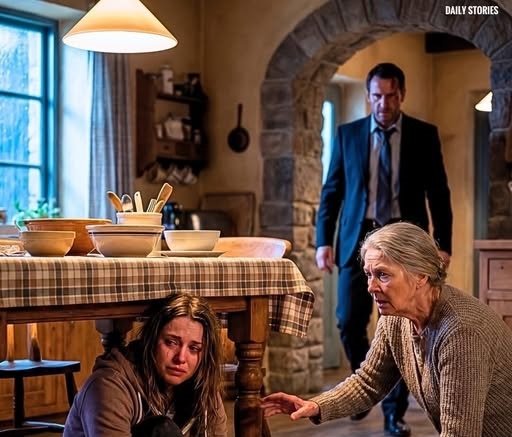
The incident unfolded quietly inside what should have been a safe and familiar home. Theresa’s mother had left clear instructions before heading out: under no circumstances was anyone to cut her daughter’s hair. Theresa loved her long curls, and her mother believed decisions about a child’s appearance should never be made without consent.
But while the house was empty, Denise ignored those boundaries completely.
According to the family, the grandmother decided Theresa’s hair looked “messy” and needed to be “fixed” before upcoming wedding photos. By the time Theresa’s mother rushed home after receiving a tearful phone call, strands of blonde hair covered the kitchen floor.
The emotional damage was immediate.
Theresa reportedly believed her mother had approved the haircut, leaving the child confused, embarrassed, and devastated. Instead of apologizing, Denise remained calm and unapologetic, insisting it was “just hair” and claiming she had improved the child’s appearance.
That reaction only intensified the conflict.
For Theresa’s mother, the situation was never about a hairstyle. It became about trust, bodily autonomy, and respect for parental boundaries. Family members later described the confrontation as icy rather than explosive, with the mother carefully documenting everything instead of reacting emotionally.
The fallout reportedly changed family dynamics permanently.
What shocked many people online was not only the haircut itself, but the grandmother’s refusal to acknowledge the emotional impact on the child. Across social media, thousands debated the issue, with many parents arguing that decisions involving a child’s body should always remain with the child and their parents — not relatives acting independently.
In the end, the curls may grow back, but the trust lost that day may take far longer to repair.
The story has sparked wider conversations about respect, consent, and family boundaries. Many readers say the situation serves as a reminder that even relatives must respect parental decisions — especially when a child’s emotional well-being is involved.
What do you think? Was the grandmother trying to help, or did she cross a line that should never be crossed?