Grandpa’s Truth at Thanksgiving Dinner Shocks Entire Family
The Night a Family Secret Was Exposed
Thanksgiving dinner took an unexpected turn when a grandfather confronted his son and daughter-in-law about their unequal treatment of their children. The revelation left the entire family stunned.
It began when the narrator, who had been paying rent to live in their parents’ basement, mentioned their financial contributions during dinner. Their father casually dismissed the situation, stating that their sister Claire “needed the help more” due to her two children.
Grandpa’s Shocking Reaction
The narrator’s grandfather, who had been quietly eating, slowly set down his fork. His expression shifted from confusion to realization as he listened to the exchange. Ignoring his son’s attempts to change the subject, he turned to the narrator and asked how much they paid in rent each month.
When the narrator revealed they paid $800 monthly—on top of groceries, bills, and utilities—Grandma looked horrified. Claire became defensive, accusing the narrator of exaggerating, while their mother insisted the money was just “helping with household expenses.”
The narrator, frustrated by years of unequal treatment, pointed out that Claire received free housing, meals, and childcare while they were expected to contribute financially. The tension escalated until Grandpa finally spoke the words no one expected.
“Then tonight,” he said calmly, “this family is finally going to tell the truth.”
The Basement Door Opens
The room fell silent as Grandpa pressed further, asking Claire if she paid anything to live in the house. When she hesitated, their father jumped in, claiming she was “rebuilding” after her divorce. Grandpa nodded before turning to the narrator and asking how long they had been paying rent.
The narrator admitted they had been contributing since they were 19, starting with $200 and eventually reaching $800 a month. Grandma covered her mouth in shock, while their father argued that the narrator was 26 and “needed to contribute.” Grandpa countered that Claire, at 32, was still relying on family support without financial responsibility.
The argument reached a breaking point when Grandpa stood up and told the narrator to get their coat—they were leaving with him and Grandma that night. Their father exploded, insisting the narrator couldn’t leave, but Grandpa reminded him that the house existed because of his financial help years earlier.
“No, Linda,” he said softly to the narrator’s mother. “I’m just opening the basement door.”
A New Life Beyond the Basement
The narrator packed their belongings in less than 15 minutes, realizing how little they had accumulated despite years of financial contributions. At their grandparents’ home, they were met with quiet support—no pressure, no guilt, just a safe space to breathe.
The next morning, Grandpa sat with a legal pad, helping the narrator analyze their finances. The calculations revealed that without the $800 monthly payment to their parents, the narrator could have moved out years earlier.
Within weeks, the narrator signed a lease for their own apartment. Moving day was surreal—no more guilt, no more demands, just independence. The fallout with their family was slow but transformative. Claire accused them of selfishness, but “no” became a complete sentence. Their mother eventually visited and apologized, acknowledging the unfairness for the first time.
A Letter from Grandpa
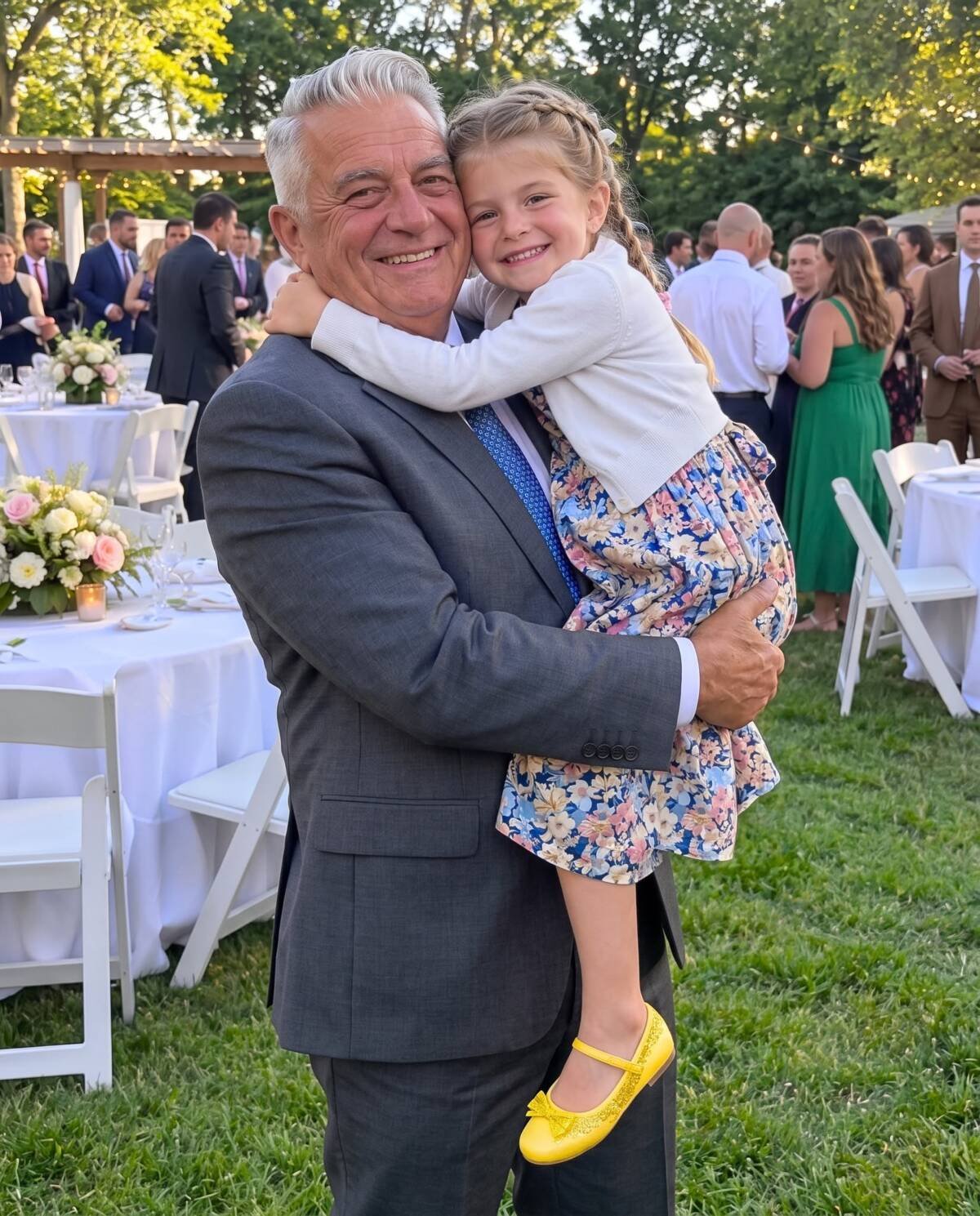
Two years later, Grandpa passed away suddenly. After the funeral, Grandma handed the narrator a letter he had written shortly after that Thanksgiving dinner. In it, he acknowledged the narrator’s strength in surviving the only way they knew how but expressed pride in their decision to leave.
“A family should help a person grow stronger, not smaller. Don’t become bitter. Become clear.”
Years later, the narrator hosted Thanksgiving in their own home. The atmosphere was different—no silent tensions, no unequal expectations. The family had finally learned what Grandpa had tried to teach them all along: love should never trap someone in sacrifice.
The narrator reflected on the lesson that changed everything: sometimes, the most important door a person walks through is the one leading out of a place where they stopped being valued.