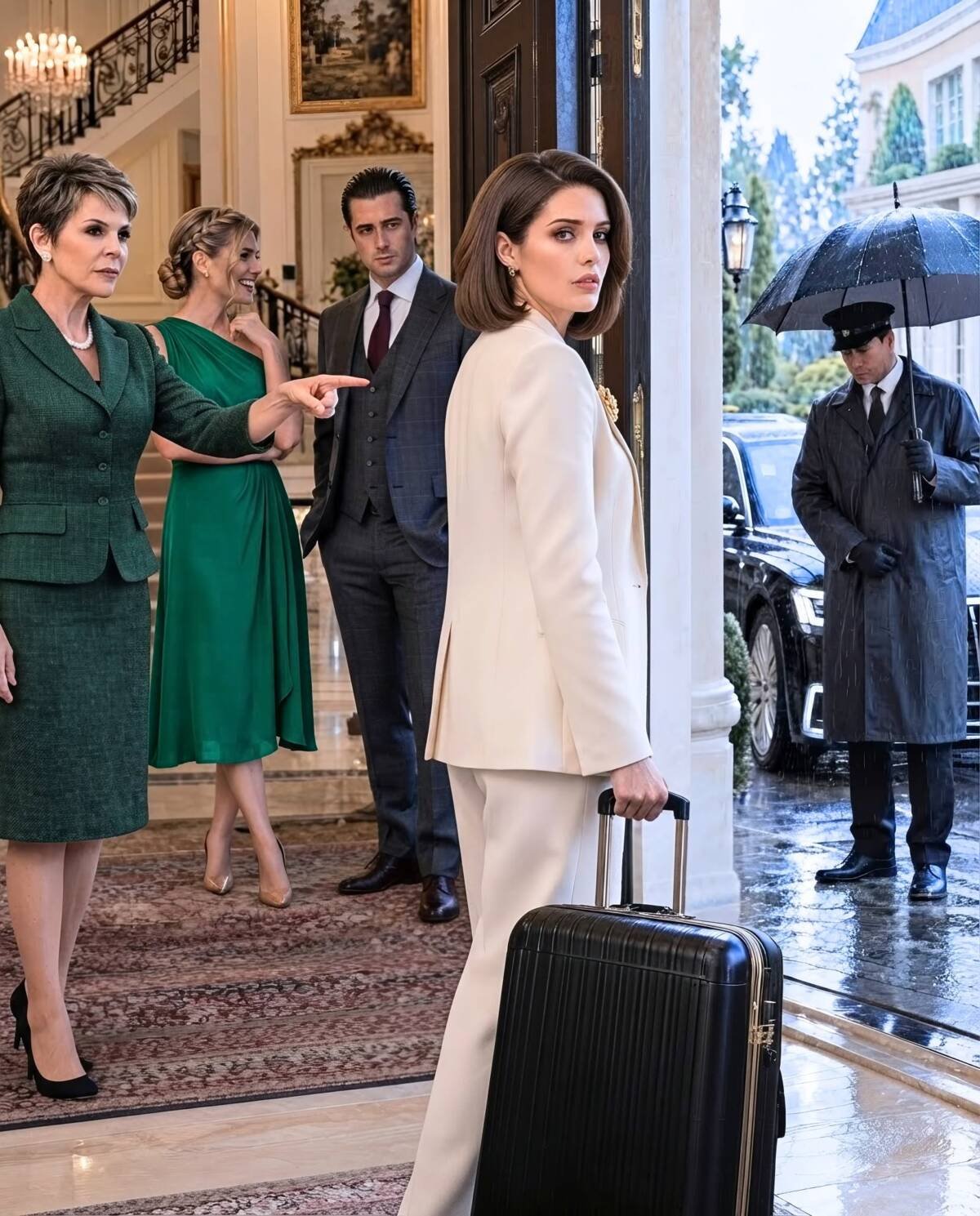
When Family Assumes Your Life Belongs to Them
Rachel Green had spent eight years as her brother Jason and sister-in-law Felicia’s unpaid caregiver. When Jason announced Felicia was expecting their fifth child, the family’s expectations became unbearable.
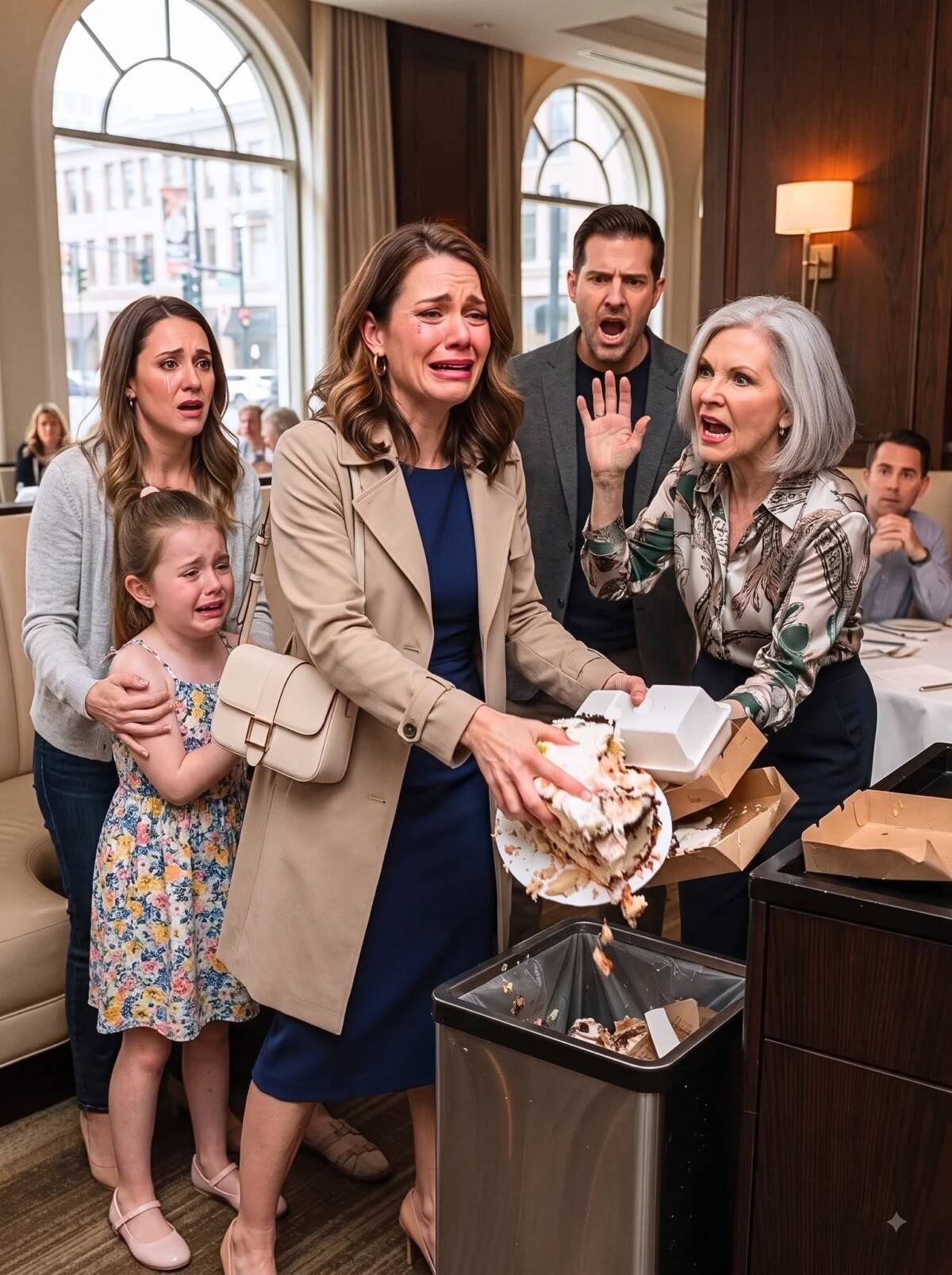
“You’ll take care of the kids once the baby arrives,” Rachel’s mother declared at the celebratory dinner. The room fell silent when Rachel responded, “Absolutely not.”
Jason frowned. “Don’t start drama tonight, Rachel.” Felicia’s smile disappeared as she sneered, “You don’t even have a family of your own. Think of this as practice.”
Rachel stood, picked up her purse, and walked out. “I’m done being treated like your servant,” she said before leaving.
The Morning That Changed Everything
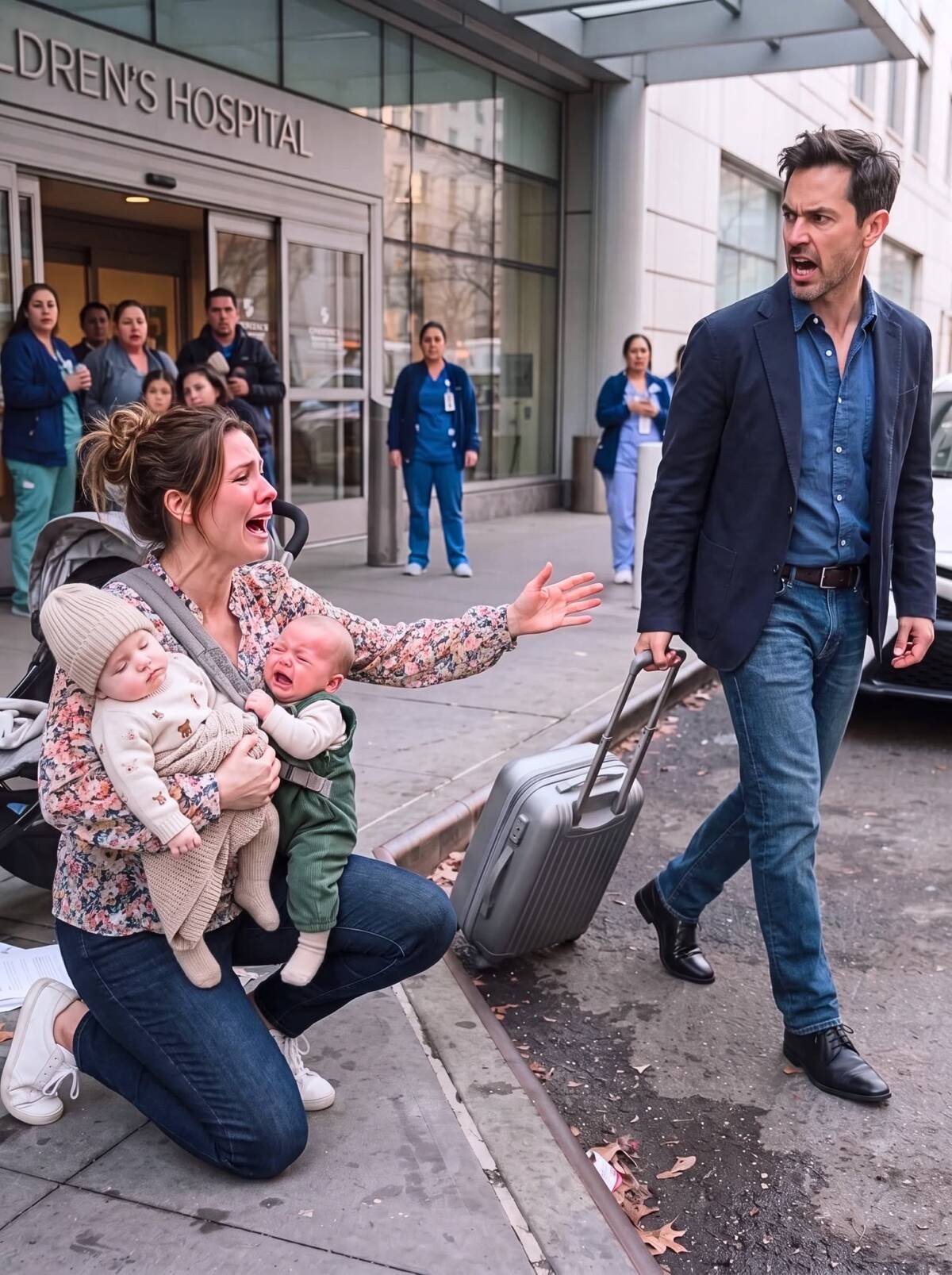
The next morning, Rachel received a call from Officer Fletcher of the Clearview Police Department. “There’s a situation involving your brother’s children,” he said. “The children were found home alone, and we need you to come to the station to give a statement.”
Rachel was stunned. “They… did what?” Officer Fletcher explained that Jason and Felicia had left a note claiming Rachel had agreed to care for the children until noon. “I never agreed to anything,” Rachel insisted.
Years of Evidence Finally Heard
At the police station, Rachel presented a folder of evidence she had been collecting for two years. It included:
- Felicia’s Thanksgiving message: “We’re leaving the kids with you this weekend, so don’t make it weird.”
- Jason’s text from March: “You don’t have a husband or children, so stop pretending you’re busy and come help.”
- Rachel’s mother’s voicemail: “Family helps family, Rachel. You should be grateful they still need you.”
Officer Fletcher reviewed the documents carefully. “Ms. Green,” he said, “this is much more than a misunderstanding.”
The Confrontation
When Rachel’s family arrived at the station, Felicia exploded. “You actually got the police involved?” Officer Fletcher calmly corrected her. “No, ma’am. A neighbor reported four unattended children. That’s why we’re here.”
Jason insisted Rachel was “supposed to be there.” Rachel responded, “No. You expected me to be there. Those are two very different things.”
When Officer Fletcher asked who wrote the note claiming Rachel had agreed to care for the children, Felicia admitted, “I did.” When asked if Rachel had ever agreed, Felicia quietly said, “No.”
The Aftermath
Child Protective Services completed its investigation several weeks later. Jason and Felicia were ordered to complete parenting classes and attend family counseling. They avoided criminal charges, but the incident became part of their permanent record.
Rachel’s parents blamed her for the situation. “I reminded them this wasn’t one mistake,” Rachel said. “It was years of manipulation, entitlement, and expecting me to clean up every crisis they created.”
Breaking Free
Rachel sold her grandfather’s lake cabin and accepted a promotion that transferred her to another state. “For the first time in years, my phone stayed silent on weekends because no one expected me to cancel my plans to rescue someone else,” she said.
Jason left desperate voicemails, admitting they were overwhelmed without her. Rachel never returned the calls. “If they truly needed a reliable caregiver, they could hire one instead of treating me like unpaid labor,” she said.
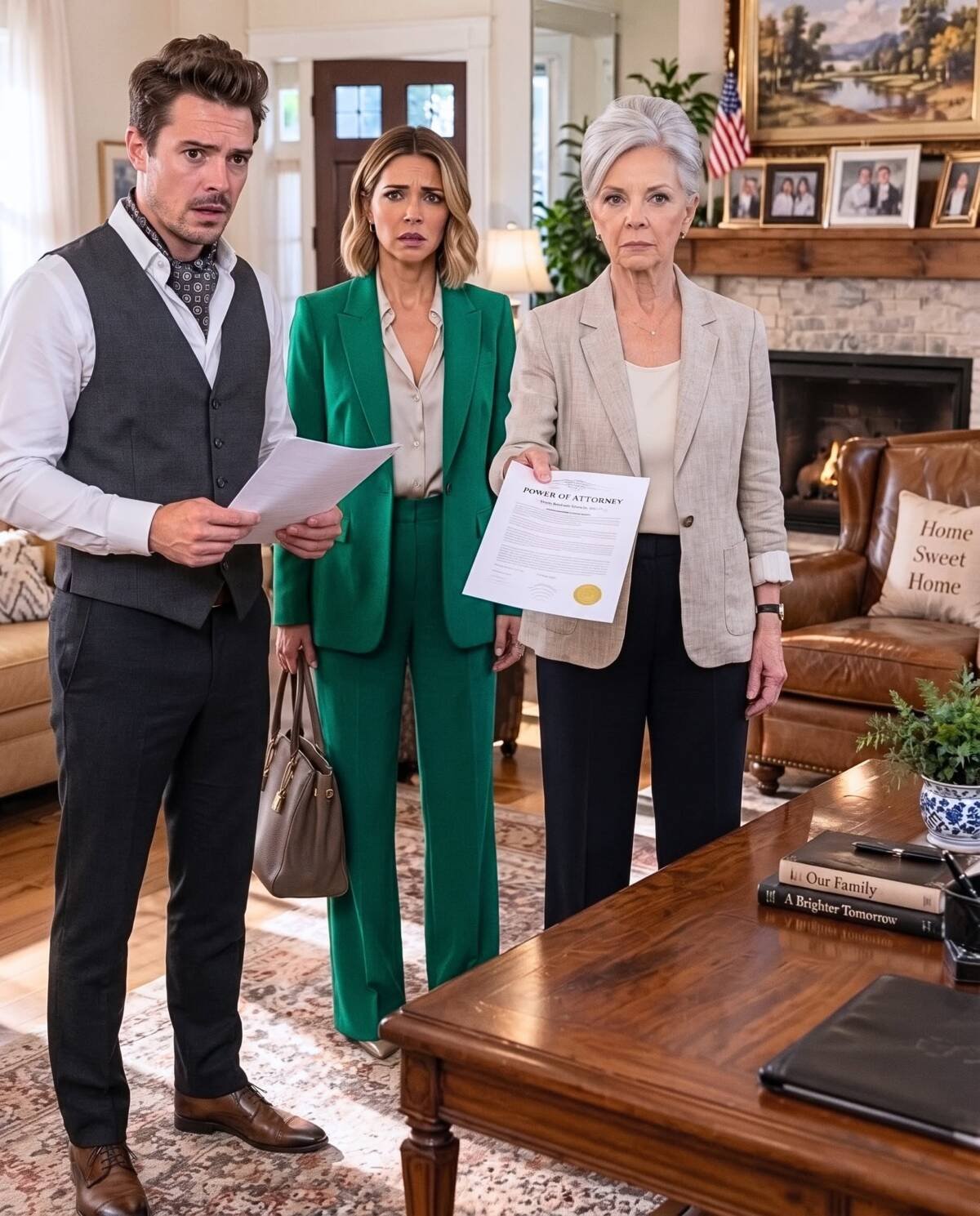
When Felicia later claimed Rachel had abandoned the family, Rachel sent one document: the official report stating that four children had been found alone. “After that, the conversations stopped almost immediately,” Rachel said.
Moving Forward
Rachel’s parents eventually apologized, admitting they had always assumed she would forgive everything. “I accepted the apology, but I didn’t rebuild the old relationship overnight,” Rachel said. “Forgiveness doesn’t automatically restore trust, especially when the same pattern has been repeated for years.”
A year later, Rachel reflected on her new life. “My weekends belonged to me, my career had flourished, and I no longer felt guilty every time my phone rang,” she said. “Sometimes the healthiest thing you can do for your family is refuse to keep rescuing them from the consequences of their own choices.”
“People often assume freedom begins when someone finally apologizes. Mine began the day I stopped accepting responsibilities that were never mine to carry in the first place.” — Rachel Green