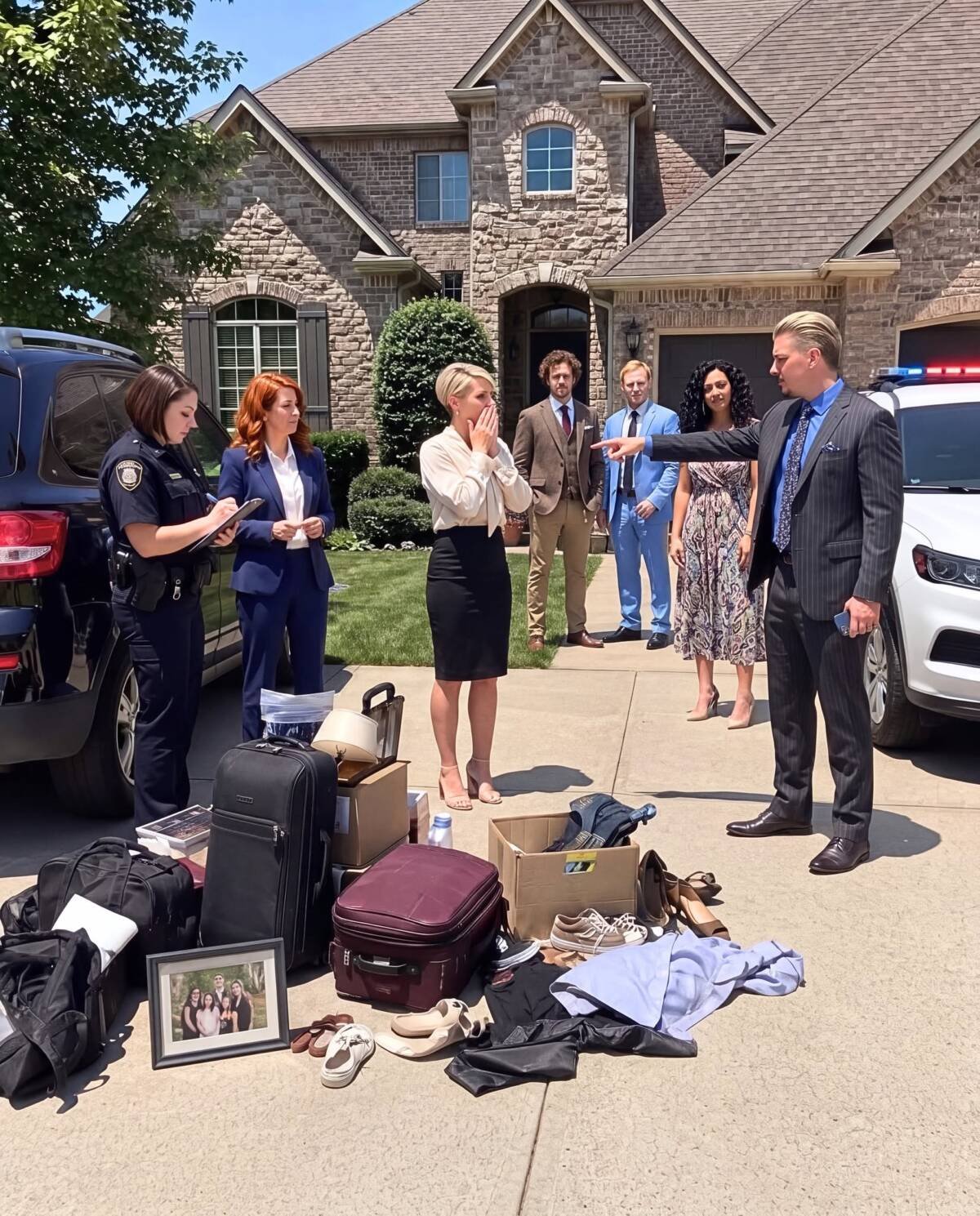
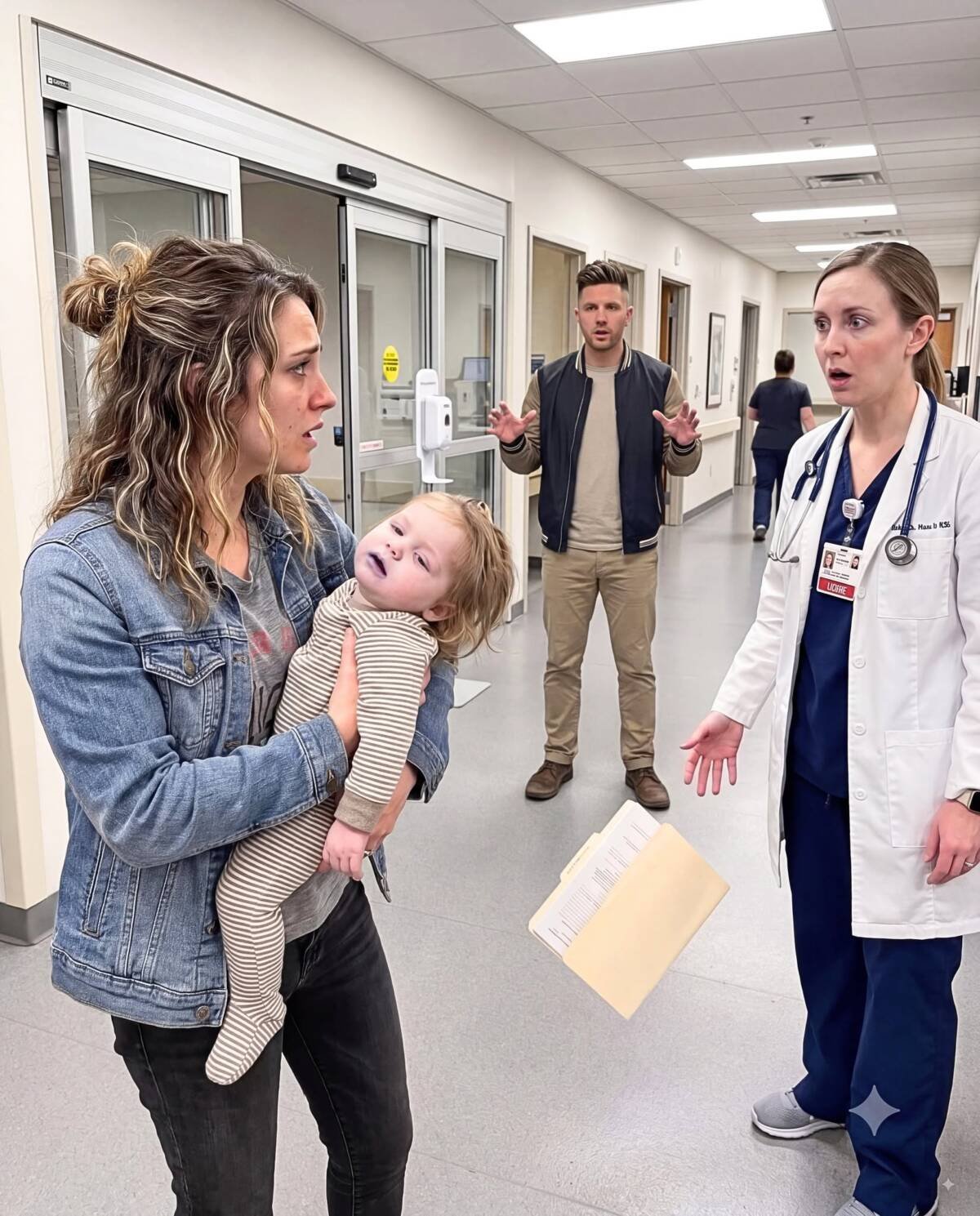
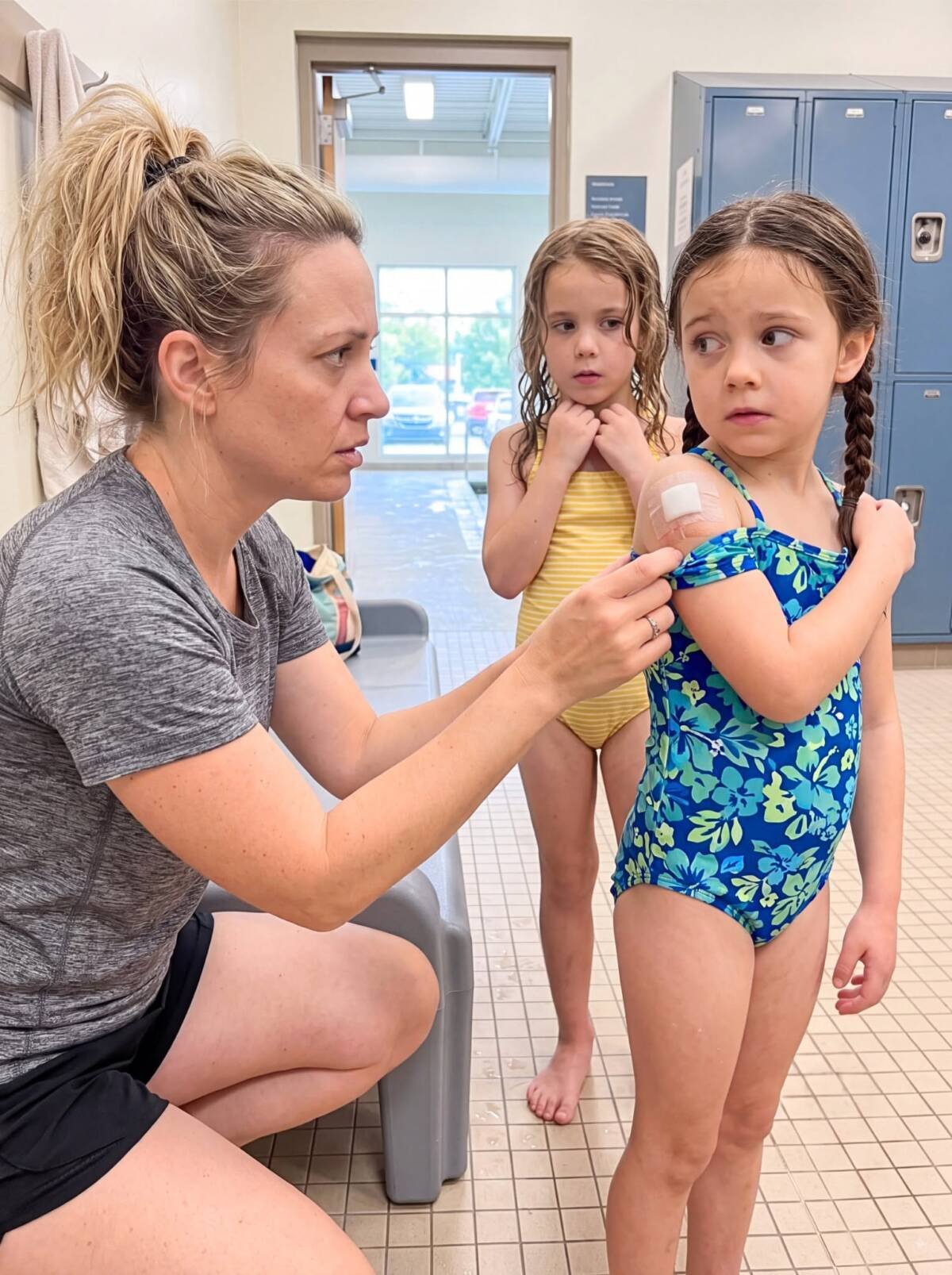
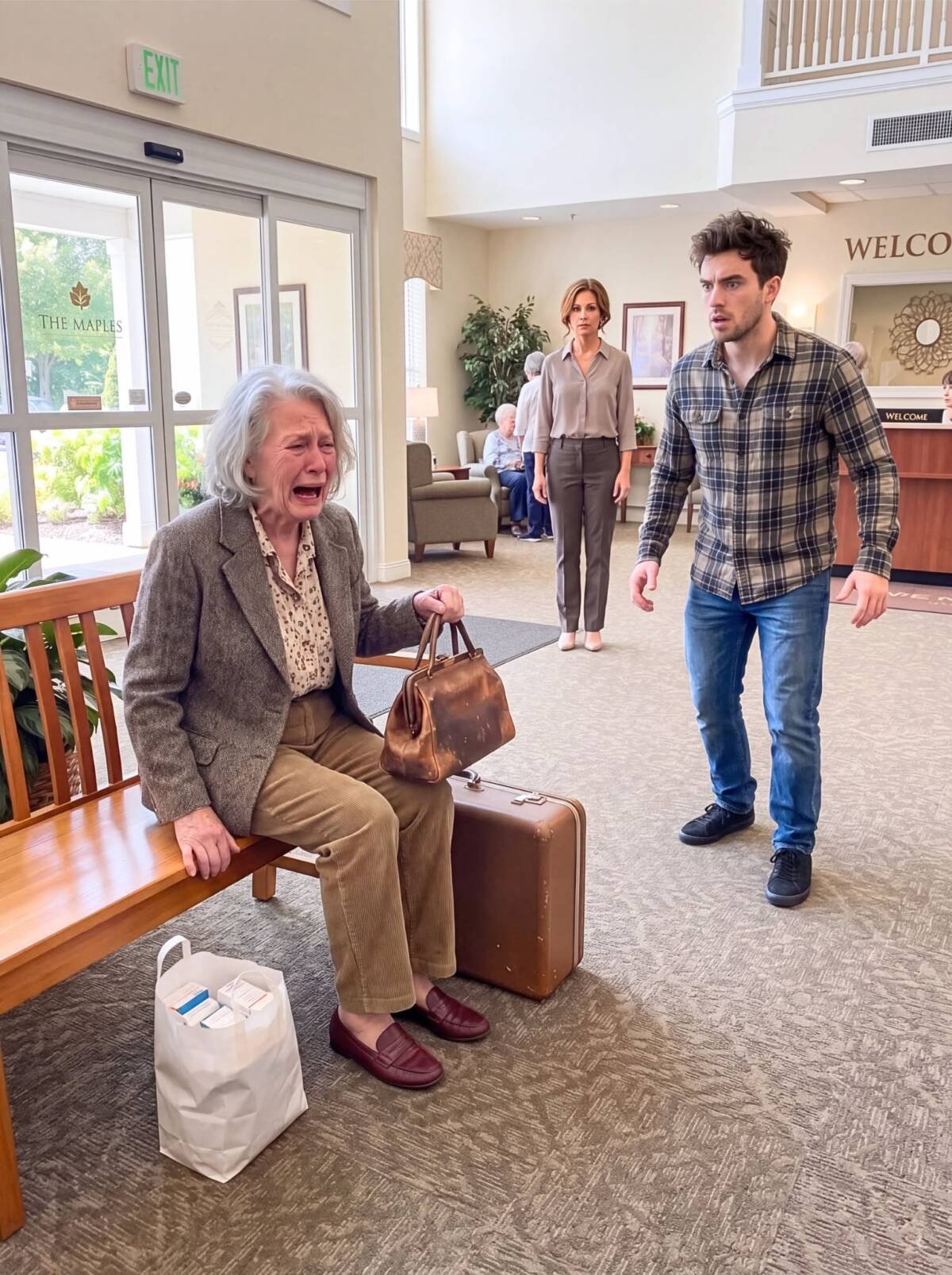
For nearly three months, my sister-in-law, Sarah, had been living comfortably in our guest room while harboring a deeply rooted, condescending delusion about my life. To her, my old Ford F-150, my faded gray hoodies, and my habit of fixing broken appliances myself were definitive proof of one thing: I was a broke veteran who had somehow lucked out and convinced her younger sister, Claire, to carry the financial burden of our family.
Every insult, every snide remark about my lack of ambition, and every passive-aggressive sigh was met with absolute silence on my part. I had spent years of my life serving as a Colonel in Army Intelligence, operating in environments where discretion, patience, and reading human behavior meant the difference between safety and disaster. I understood when information mattered and when silence mattered infinitely more. I had no interest in proving my worth to someone who was willfully blind.
Until the afternoon I came home early, found my five-year-old daughter locked outside in the freezing cold with a raging fever because Sarah didn’t want her precious son getting sick, and watched as a bucket of icy water was dumped over us both.
In that singular, chilling moment, my patience evaporated completely. Sarah was about to learn a very hard lesson about who I really was—and what happens when you cross the line with a parent protecting their child.
Part 1: The Breaking Point
Sarah had chosen to station herself in our garage doorway that morning while I was elbow-deep under the hood of my truck, replacing a worn accessory belt. She held a warm vanilla latte in one hand, looking down her nose at me with that familiar, patronizing smirk.
“Still pretending to be useful?” she asked, taking a slow sip.
I wiped grease from my knuckles onto a shop rag and kept working. Years of experience had taught me that engaging with Sarah only fueled her desire to lecture.
She glanced dismissively at the old truck. “Maybe you should use that thing to drive to a real job interview. Claire is working herself to death traveling for corporate accounts while you play house mechanic in the driveway.”
I looked up, stared directly into her eyes for two seconds, and said nothing.
Sarah had no idea that Claire’s trip to Chicago had actually been a completely paid-for anniversary vacation funded entirely by me. She didn’t know our house was fully paid off with no mortgage, or that the credit card she had been using all week for her artisanal coffee runs and grocery hauls was tied directly to a private account that I funded.
And she certainly didn’t know anything about my military career. I preferred being Sophia’s dad at home rather than wearing my rank on my sleeve.
That afternoon, I left the house to pick up Sophia’s fifth-birthday cake—a custom creation shaped like a pink unicorn covered in glittering sprinkles that she had talked about every single day for two weeks.
When I pulled back into the driveway, the atmosphere inside the house felt immediately wrong. The television was blaring cartoons in the living room, but Sophia was nowhere to be found. Sarah was lounging on the sofa with a glass of white wine while her ten-year-old son, Lucas, stared mindlessly at video games on the floor.
“Where’s Sophia?” I asked, my voice dropping an octave.
Sarah barely glanced away from the screen. “Outside.”
I stopped dead in my tracks. “What do you mean outside?”
“She started coughing,” Sarah replied dismissively, taking a sip of wine. “Lucas has major soccer tryouts this weekend, and I am not letting him catch whatever nasty bug she’s carrying.”
I set the birthday cake gently on the kitchen island and walked rapidly toward the back of the house.
Then I saw her.
My five-year-old daughter was curled up against the thick glass of the sliding patio door, shivering on the cold stone patio wearing only thin cotton pajamas. Her cheeks were flushed an alarming bright red, her small body was trembling violently, and the heavy metal security bar had been dropped firmly into place across the track so she could not slide the door open herself.
I threw my weight against the door, forced it open, and dropped to my knees beside her.
“Daddy?” she whispered, her tiny teeth chattering so hard she could barely form the words. “Aunt Sarah said I have germs.”
I pressed the back of my hand against her forehead. She was burning up.
Behind me, the patio door slid open. Sarah stepped out onto the threshold, holding a yellow plastic cleaning bucket filled to the brim.
“She has a high fever,” I shouted over the rising panic in my chest.
Sarah shrugged, lifting the bucket higher. “I know. I’m helping.”
Before my military reflexes could process what she was about to do, she tipped the bucket forward.
Ice-cold water crashed over Sophia and me in a blinding, freezing wave.
My daughter let out a weak, terrified gasp and clung desperately to my neck as the freezing water soaked through her pajamas. From above us, Sarah looked down with a cold, detached expression.
“Fastest way to lower a fever,” Sarah said callously, turning back toward the warmth of the house. “Now take your burden and leave somewhere else before Lucas gets sick.”
I didn’t waste a single breath arguing with her. I wrapped my shivering daughter tightly against my chest, carried her straight out to the truck, and hit the highway toward the nearest emergency room.
Part 2: The Hospital Examination
The drive to the hospital felt agonizingly slow. I had a spare thermal blanket in the back of the truck which I wrapped securely around Sophia, but her pajamas were soaked through, and every shiver wracking her small frame ignited a cold fury inside me.
When we rushed through the sliding doors of the pediatric emergency department, an intake nurse took one look at Sophia’s pale face and elevated breathing rate, immediately calling for a gurney and a physician. They whisked her into an examination room, stripped away the wet clothing, wrapped her in warmed medical blankets, and began monitoring her vitals while the attending doctor turned his attention to me.
“What happened?” the doctor asked, pen poised over his clipboard.
I laid it out plainly.
The persistent fever. The locked patio door. The security bar. The bucket of ice-cold water dumped over a sick child.
The doctor stopped writing entirely. He looked up, his expression hardening into absolute disbelief. “Someone deliberately poured cold water over a febrile child?”
“Yes,” I answered evenly.
“And she had already been locked outside?”
“Yes.”
He immediately ordered a comprehensive diagnostic workup, IV fluids, and a consultation with the hospital social worker. Within twenty minutes, a compassionate social worker named Martinez entered the room. She didn’t start by questioning me about insurance or paperwork; she knelt beside Sophia’s bed and spoke to her with infinite gentleness.
“Sweetheart, do you know why your aunt put you outside on the patio?”
Sophia blinked heavy, tired eyes and nodded. “She said I would make Lucas sick.”
“Did she tell you how long you had to stay out there?”
“Until I stopped coughing.”....