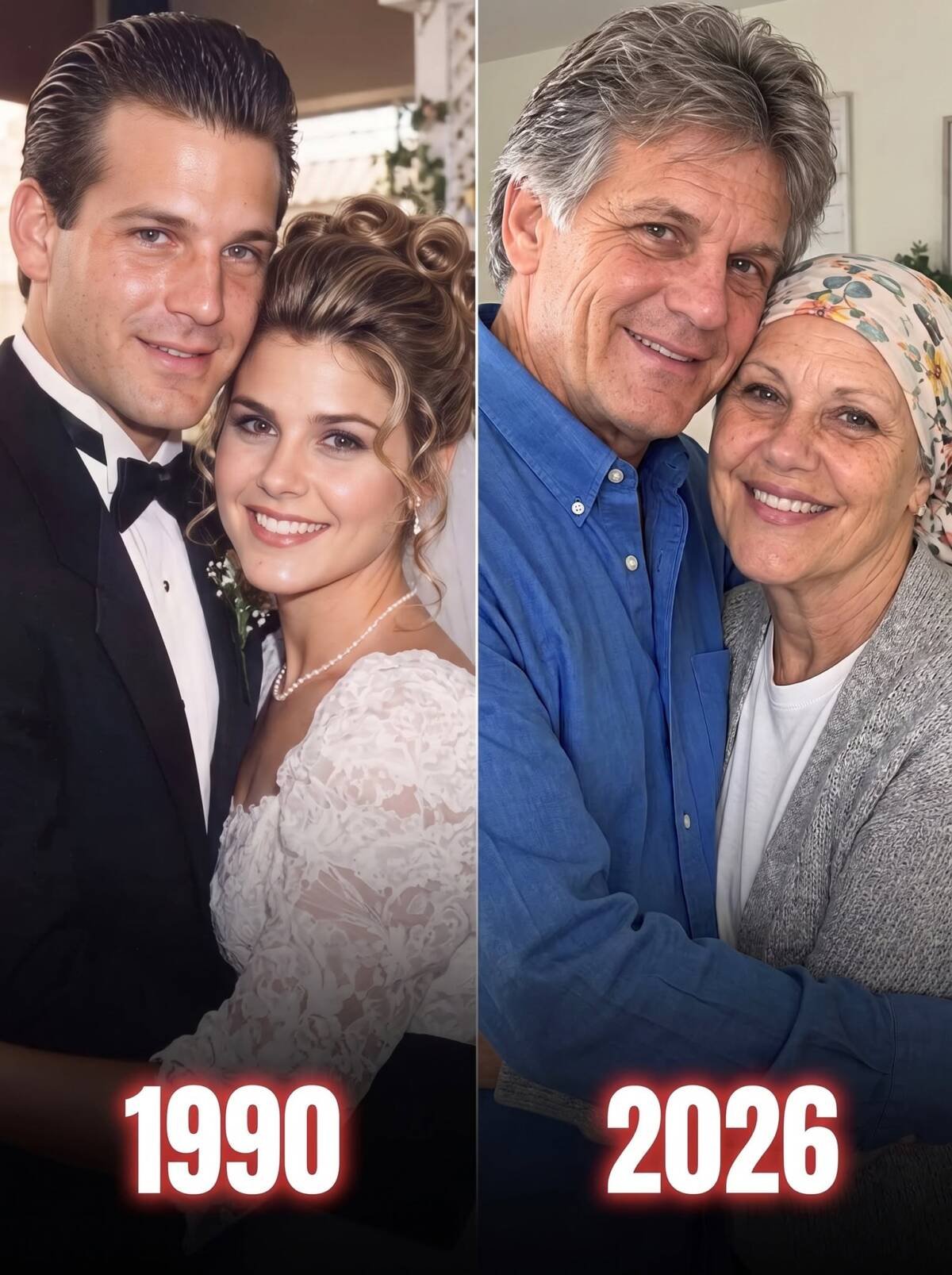
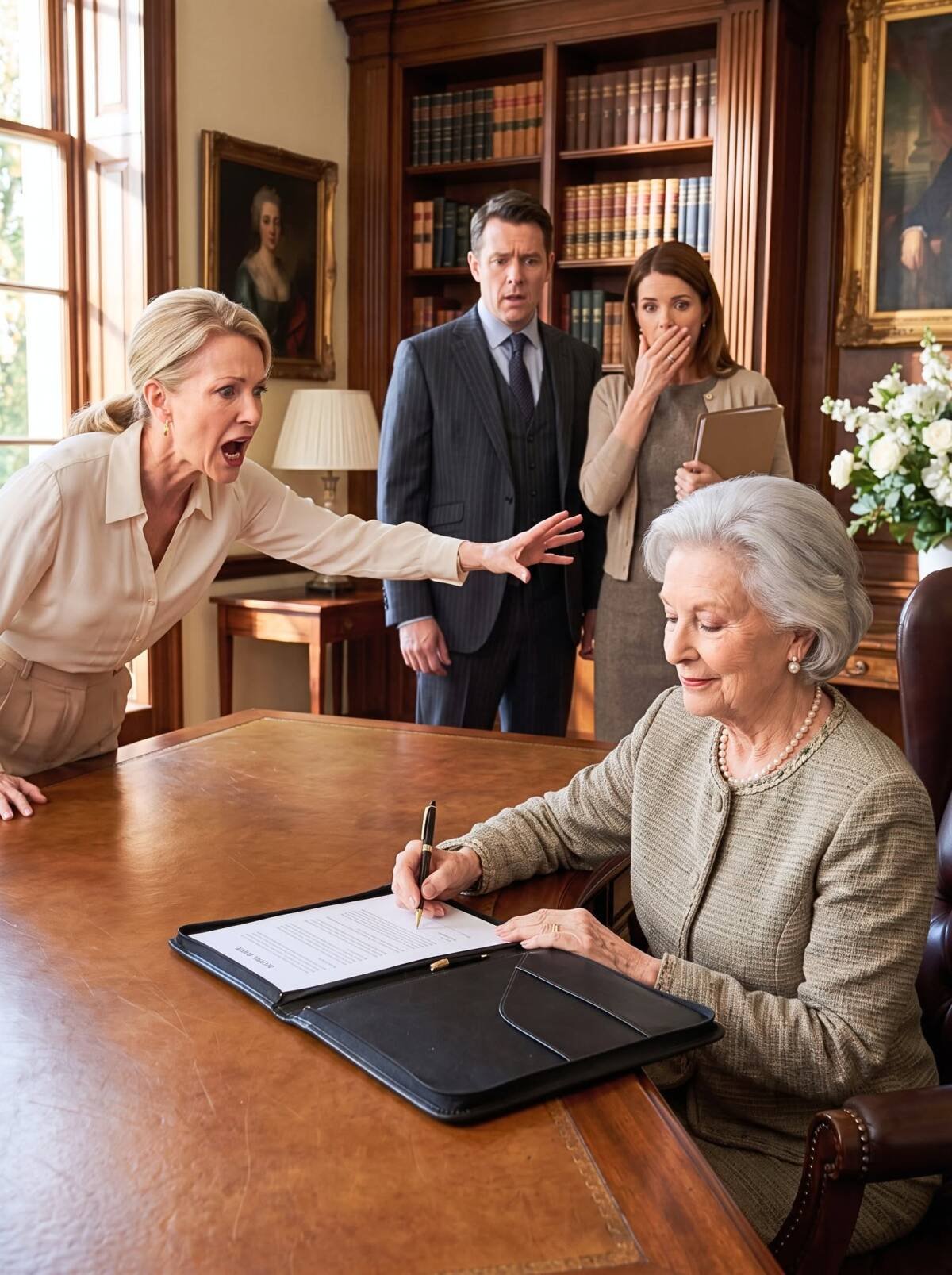
When my sister-in-law joked that my 10-year-old son was accustomed to being left out, nobody at the table defended him. I didn’t argue, raise my voice, or embarrass anyone. I simply ordered dinner for my son. What my family didn’t realize was that their assumptions about my life—and their treatment of my child—were about to catch up with them.
Introduction: The Empty Place Setting That Changed Everything
The first thing I noticed was the empty place setting.
My ten-year-old son, Caleb, was sitting beside me at an expensive waterfront restaurant, surrounded by relatives who had gathered to celebrate my younger brother’s latest professional achievement. Everyone else had a plate, silverware, a folded napkin, and a meal in front of them.
Caleb had nothing.
When the waiter approached, my sister-in-law, Naomi, answered before I could say a word.
“One menu should be enough. Caleb probably already ate.”
Then she laughed and added the words that would stay with me long after we left the restaurant.
“He’ll be fine. He’s used to going without.”
A few people smiled awkwardly. Someone looked down at their plate. My mother said nothing, and my brother continued sitting comfortably at the center of the table.
My son lowered his eyes and began rubbing a small breadcrumb between his fingers.
He didn’t complain. He didn’t ask why his cousins were eating expensive seafood while he sat without dinner. He simply accepted what was happening, as though he had already learned that expecting better treatment from his own family was pointless.
That quiet acceptance hurt more than an argument ever could.
I could have confronted Naomi. I could have demanded an explanation or reminded everyone that Caleb was a child who deserved the same courtesy as the other children at the table.
Instead, I waited for the waiter to return.
When he approached, I looked up calmly.
“Please bring my son exactly what I usually order when we stay at the Four Seasons.”
The conversation stopped.
My brother, Gavin, turned toward me. Naomi’s smile faded. My mother looked up from her plate, and for the first time that afternoon, everyone seemed interested in what I had to say.
I gave Caleb a small wink.
They thought they knew everything about my life. They had mistaken my quiet lifestyle for financial struggle, my modest clothes for a lack of success, and my unwillingness to show off for an absence of achievement.
They were wrong.
But the restaurant incident was only the beginning of a much larger problem—one that would eventually force me to confront years of family favoritism, repeated humiliation, and the painful realization that my son had been learning to make himself smaller just to keep the peace.
My name is Luke. I was thirty-eight years old, divorced, and raising Caleb on my own.
And I was finally beginning to understand that protecting my son sometimes meant refusing to protect the comfort of the adults who hurt him.
1. The Brother Everyone Admired
Growing up, my younger brother, Gavin, had always been the family favorite.
He was confident, ambitious, and comfortable in situations where people measured success by job titles, expensive possessions, and professional recognition. He earned a law degree, joined a prestigious corporate law firm, and developed a reputation for knowing exactly what to say in a room full of influential people.
Our parents admired him.
They celebrated his promotions, discussed his career with relatives, and treated each new professional milestone as proof that their sacrifices had paid off.
I chose a different path.
I worked in technology consulting and eventually started my own company. The early years were difficult. I worked long hours, took on demanding projects, and spent much of my income reinvesting in the business.
There were periods when I wasn’t sure whether the company would survive.
Eventually, however, the work paid off. The business became profitable, my client base expanded, and the company grew beyond anything I had initially imagined.
I never felt the need to announce my earnings at family dinners.
I drove an ordinary car, wore practical clothes, and preferred investing my money to displaying it. I spent what mattered to me on experiences with Caleb, his education, our home, and the time we could share together.
My family interpreted that lifestyle differently.
They assumed I was struggling financially.
Because I rarely discussed money, they filled the silence with their own conclusions. When Gavin mentioned a new suit, they congratulated him. When I talked about a business project, they changed the subject.
I could have corrected them, but I didn’t.
At first, I thought their assumptions were harmless. Later, I realized that the way they viewed my finances had become entangled with the way they viewed my son.
Caleb was quiet, thoughtful, and imaginative. He loved science books, drawing, puzzles, and stories about distant planets. He was the kind of child who could spend an entire afternoon building an imaginary world from a stack of paper and a box of colored pencils.
He wasn’t interested in competing for attention.
Unfortunately, our family seemed to interpret that as a reason to give him less of it.
Gavin’s twin boys, Grant and Carter, were louder and more outgoing. They played sports, told jokes, and knew how to attract the attention of adults. Their accomplishments were regularly celebrated in the family group chat.
Caleb’s achievements rarely received the same response.
When he earned excellent grades, relatives offered brief congratulations. When he completed an elaborate science project, the conversation quickly returned to the twins’ latest soccer game.
I told myself that different children had different personalities and that I shouldn’t expect everyone to respond to Caleb in exactly the same way.
I was wrong to confuse unequal attention with harmless differences.
Still, I continued giving my family the benefit of the doubt until the afternoon Gavin invited us to celebrate his promotion.
2. The Restaurant Where My Son Was Left Out
Caleb and I had originally planned to visit the science museum that Sunday.
My mother called shortly before lunch and insisted that we attend Gavin’s celebration instead.
“He’s still your brother, Luke,” she said. “You should be there for him.”
I had heard that sentence many times. It usually meant that I was expected to overlook something uncomfortable because keeping the family together mattered more than discussing why the discomfort existed.
I agreed to go.
I helped Caleb button his shirt, and we drove nearly forty-five minutes to the waterfront restaurant Gavin had selected.
By the time we arrived, the rest of the family was already seated around a long table. Gavin was telling a story about his latest case, while Naomi watched the room with the confidence of someone accustomed to getting her way.
My parents were there, along with my sister, Jenna, and the twins.
There was one chair left near the corner.
I pulled it out for Caleb and immediately noticed that no one had prepared a place for him.
No plate. No silverware. No napkin.
I looked around the table, wondering whether the staff had simply missed something.
“We didn’t know whether you two were coming,” my mother explained. “So we didn’t order anything for you.”
A waiter approached with menus.
Before I could respond, Naomi interrupted.
“One should be enough. Caleb probably already ate.”
She glanced toward the twins, whose plates were filled with expensive seafood.
Then she laughed.
“He’ll be fine. He’s used to going without.”
The comment was delivered lightly, almost playfully. That was part of what made it so revealing.
Naomi had learned to wrap insults in humor, leaving anyone who objected vulnerable to accusations of being oversensitive.
Nobody defended Caleb.
My father concentrated on his meal. My mother looked uncomfortable but remained silent. Jenna gave a brief, uncertain smile before turning away.
Gavin said nothing.
Caleb lowered his head.
I watched him rub a breadcrumb between his fingers, and I realized he was trying to make himself invisible.
That was the moment something changed for me.
I had spent years tolerating small insults because I didn’t want to create unnecessary conflict. I had convinced myself that adults could manage their own relationships and that ignoring unpleasant comments was often the easiest solution.
But Caleb was not an adult.
He was a ten-year-old boy watching his relatives decide, in front of him, that his presence did not deserve the same consideration as everyone else’s.
I turned to the waiter.
“I’d like two menus, please.”
He looked at Caleb.
“One for the young gentleman as well?”
“Yes. And please bring him what I usually order when we stay at the Four Seasons.”
For a moment, nobody spoke.
Gavin stared at me.
Naomi’s expression changed from amusement to confusion.
My mother finally looked directly at me.
The waiter nodded, placed the menus in front of us, and returned with a proper place setting for Caleb.
My son looked up at me.
I winked.
He smiled faintly and began reading the menu.
Gavin eventually broke the silence.
“I didn’t realize you were a Four Seasons kind of person.”
I took a sip of water.
“There are probably quite a few things about me you don’t know.”
I wasn’t trying to impress him. I wasn’t interested in proving that I could afford expensive hotels or elaborate meals.
The point was much simpler.
My family had decided who I was without ever bothering to find out.
And they had allowed that assumption to influence how they treated my child.
That was no longer something I was willing to dismiss.
3. The Question My Son Asked in the Parking Lot
Caleb and I left shortly after our meal.
We had barely reached the parking lot when he tugged gently on my sleeve.
“Dad?”
I turned toward him.
“Yes, buddy?”
“Why doesn’t Aunt Naomi like us?”
The question stopped me.
I crouched beside him, trying to find words that would explain an adult’s behavior without making a child feel responsible for it.
“Sometimes people try to make themselves feel important by making other people feel small,” I told him. “That doesn’t mean there’s anything wrong with the people they’re treating badly.”
He considered that for a moment.
“Did I do something?”
“No. You didn’t do anything wrong.”
I looked directly into his eyes.
“You are not less important than anyone at that table. Not your cousins, not your aunt, and not anybody else.”
He nodded, but I could tell he was still trying to understand.
On the drive home, he watched the scenery pass outside the window. I kept thinking about how easily the adults at that restaurant had allowed the moment to unfold.
They hadn’t needed to join Naomi in mocking him. Their silence had been enough.
Over the following weeks, I began noticing patterns I had previously overlooked.
The family group chat contained photographs of the twins’ soccer games, school performances, birthday parties, and weekend activities. Caleb’s achievements received far less attention.
When he brought home an excellent report card, the response was a thumbs-up.
When Grant scored a goal, the family celebrated for hours.
I could accept that relatives had different relationships with different children. What I could not accept was the growing evidence that Caleb was beginning to believe he deserved less.
Then Gavin and Naomi announced a family weekend at a mountain cabin.
The invitation promised three days of games, outdoor activities, family meals, and time together around the fireplace.
My mother encouraged us to attend.
“Everyone will be there,” she said. “It will be good for Caleb to spend time with his cousins.”
I hesitated.
Caleb, however, was excited.
He had already started imagining the things he could draw during the trip. He wanted to explore the forest, collect interesting leaves, and build a small map of the surrounding trails.
I decided to give the weekend a chance.
Perhaps the restaurant incident had been a particularly unpleasant moment. Perhaps Naomi would behave differently when everyone had more time together.
I wanted to believe that.
I should have known better.
4. The Cabin With a Shelf for Everyone Except Caleb
We arrived Friday evening at a beautiful eight-bedroom cabin surrounded by pine trees.
The property was spacious, with a large kitchen, a stone fireplace, and a deck overlooking the forest. The refrigerator was stocked with drinks, fresh fruit, cheese, snacks, and ingredients for the weekend’s meals.
I opened the refrigerator while Caleb explored the kitchen.
One entire shelf was labeled with Grant and Carter’s names.
Their favorite juices, snacks, and fruit had been arranged neatly in separate containers.
I didn’t mind that the twins had their own food. Children often have preferences, and there was nothing unreasonable about making sure they had what they liked.
What bothered me was what happened when Caleb asked where his snacks were.
Naomi glanced at the refrigerator.
“Oh, those labels are just so the twins don’t fight. Caleb can find something in the pantry.”
The pantry contained old rice cakes and two cans of lentils.
I looked at the shelves again, wondering whether I had missed something.
Caleb quietly closed the refrigerator.
“That’s okay, Dad.”
Those three words were becoming familiar.
It was okay that there was no place setting.
It was okay that the family had overlooked him.
It was okay that his cousins received special treatment.
Each time he said it, I felt as though another small piece of his confidence was being worn away.
That evening, Gavin prepared a lavish dinner featuring salmon, scallops, and lobster.
The adults gathered around the table, and the children took their seats.
When Naomi reached Caleb, she paused.
“Does he even eat seafood?”
“He does,” I replied.
“Well, Gavin already portioned everything out. Maybe he can share with someone.”
She smiled.
“He’ll survive. He’s used to going without.”
Several people laughed.
I looked at Caleb.
He didn’t cry or protest. He simply waited, watching the others begin eating.
I stood up.
“I’ll be back.”
Gavin looked confused.
“Where are you going?”
“To get dinner.”
I drove into town, found a steakhouse, and ordered two filet mignons with mashed potatoes, asparagus, and cheesecake.
When I returned, Naomi stared at the bags.
“What did you buy?”
“Dinner.”
“For who?”
“My son.”
I plated the food for Caleb and sat beside him while he ate.
He looked genuinely happy.
For the first time that evening, he was no longer watching everyone else enjoy a meal while wondering whether he would be allowed to participate.
Nobody made another joke about him going without.
The silence around the table was uncomfortable, but I no longer felt responsible for easing it.
I had not ruined dinner.
I had made sure my child ate.
The distinction mattered.
Later that night, I found Caleb sitting on the edge of his bed with his sketchbook open.
He was drawing a large castle surrounded by mountains.
“That’s beautiful,” I told him.
He nodded without looking up.
“Thanks.”
I sat beside him.
“Are you having a good time?”
He hesitated.
“It’s okay.”
I wanted to ask what he really meant, but I already knew the answer.
Caleb had become skilled at making disappointment sound like acceptance.
And I was beginning to understand how dangerous that could be.
5. When Family Jokes Become Bullying
The next morning, I discovered the twins tossing Caleb’s sketchbook back and forth in the hallway.
They were laughing as they tried to keep it away from him.
“Give it back,” Caleb said.
Grant tossed it to Carter.
Carter laughed and threw it again.
I stepped into the hallway.
“That’s enough. Give him his sketchbook.”....