When a seven-year-old child refuses to eat lunch three days in a row, most adults assume it is a phase, a mild stomach bug, or a clever attempt to go home early. That was certainly what the school nurse believed when she called me on a freezing Tuesday afternoon. My daughter, Chloe, had no fever, no cough, and no redness inside her throat. On paper, she was completely healthy.
Yet as I knelt beside her on the examination table, something in my gut refused to accept the easy explanation. Chloe wasn’t acting like a child trying to skip math class—she was keeping her chin pressed tightly against her chest, flinching at every sudden movement. When I insisted the nurse check the outside of her neck and lift her blonde hair, the room went dead silent. The plastic cup of water in the nurse’s hand tipped over, spilling across the neat blue ink of the school health log. What we saw beneath Chloe’s chin wasn’t a rash, a stain, or a playground scrape. It was the beginning of a nightmare that no parent ever expects to uncover behind the doors of an elementary school.
A Pattern Nobody Wanted to See
It started quietly on a Monday morning, though I wouldn’t recognize the warning signs until it was almost too late. At 11:58 a.m., my phone buzzed with a routine message from the elementary school health office. Chloe had refused to eat her lunch and told a monitor that it hurt to swallow. The school nurse, Mrs. Henderson, had checked her temperature and shone a penlight down her throat. Everything looked normal. By the time I picked Chloe up at dismissal, she was unusually quiet, sitting in the back seat with her coat zipped all the way up to her chin.
On Tuesday at 12:15 p.m., the phone rang again. This time, Mrs. Henderson’s tone carried a distinct edge of irritation.
“Chloe is back in my office,” she said. “She’s refusing lunch again, and now she won’t even drink water. She says it hurts to swallow, but I’ve checked her throat three times since yesterday. There’s no fever, no redness, and no swelling.”
By 12:27 p.m., I was walking through the double doors of the school’s front office and into the nurse’s room. Chloe was perched on the edge of the examination table wearing her favorite blue sequin sweater. Usually, she would kick her legs against the cabinet and chatter about her friends. Today, she sat motionless, her shoulders hunched and her chin tucked low toward her collarbone. Mrs. Henderson stood beside the counter holding a small paper cup of water.
“Children at this age sometimes figure out which complaints get them sent home early,” Mrs. Henderson said carefully, glancing down at the open health log. She didn’t use the word lying, but the implication hung heavy in the small room. The written record made the situation look deceptively simple: Monday at 11:58 a.m., throat clear. Tuesday at 12:15 p.m., throat clear. No clinical signs of illness.
I knelt in front of my daughter and kept my voice soft. “Sweetheart, show me where it hurts.”
I expected her to open her mouth or point to her tonsils. Instead, Chloe raised a trembling hand and hovered her fingers just outside the front of her neck.
“It hurts to swallow,” she whispered, her voice barely audible. “And it hurts when I move my head.”
I looked up at the nurse. “Has anyone examined the outside of her neck?”
Mrs. Henderson gestured toward the penlight on the counter. “I just told you, I checked her throat thoroughly. It’s completely clear.”
“Not inside,” I said, my voice dropping an octave. “Outside.”
Before the nurse could respond, I reached gently toward Chloe’s shoulder to brush her long blonde hair back so I could see her neck. The reaction was instantaneous and terrifying. Chloe jerked backward so violently that her elbow tore the white paper lining the examination table. She slammed both hands over her throat, her eyes wide with pure panic.
“Don’t touch me!”
In that split second, every ounce of my politeness vanished. I stopped worrying about whether Mrs. Henderson thought I was an overprotective mother. I stood up, walked over to the office door, and turned the lock. I placed my smartphone on the counter with the camera app open, then turned back to the nurse.
“Please,” I said firmly. “Carefully move her hair away from her neck.”
The Discovery Beneath Her Hair
Mrs. Henderson hesitated, clearly uncomfortable with the sudden shift in the room, but she stepped forward. I spoke calmly to Chloe, promising her that we wouldn’t press on her skin, that we only needed to look. Slowly, Chloe lowered her hands to her lap, though she kept her eyes squeezed shut.
The nurse’s hands were steady as she gathered the blonde strands resting beneath Chloe’s chin and lifted them away.
Then we both saw it.
Curving unevenly across the front of my seven-year-old daughter’s neck, just above the ribbed collar of her blue sweater, was a dark, narrow line. For a few stunned seconds, my brain refused to process what I was looking at. Then Chloe swallowed, and the skin surrounding that thin, bruised path pulled tight with the effort, making her wince.
Mrs. Henderson stepped backward so abruptly that her elbow struck the paper cup on the counter. Water spilled across the health log, blurring the neat blue handwriting that had just tried to dismiss my daughter’s pain.
“That’s… that’s not a rash,” Mrs. Henderson stammered, all trace of her earlier irritation gone.
I picked up my phone and immediately took six photographs from different angles before Chloe’s hair could fall back into place. My hands were shaking, but I made sure every frame was sharp and clear.
“Maybe a necklace stained her skin?” the nurse offered weakly, reaching for a square of damp gauze.
“Chloe didn’t wear a necklace to school,” I said. Still, Mrs. Henderson gently dabbed the edge of the mark. The gauze came away completely white. There was no ink, no charcoal, no marker, and no cosmetic residue. The dark line was beneath the surface of her skin.
Mrs. Henderson reached for a blank incident sheet, her face pale, but I placed my hand over the clipboard. “Don’t summarize it,” I told her. “Write down exactly what you just saw, and note the time.”
As the nurse’s pen scratched across the paper, Chloe stared at the moving tip. The silence in the room felt suffocating until my daughter whispered five words that chilled me far more than the mark on her neck.
“Please don’t send me back to lunch.”
Everything shifted in that moment. If Chloe had been exaggerating a sore throat just to get out of school, she would have been relieved the second I walked through the door. She wasn’t trying to escape school. She was terrified of returning to one specific part of her day.....
Related Posts
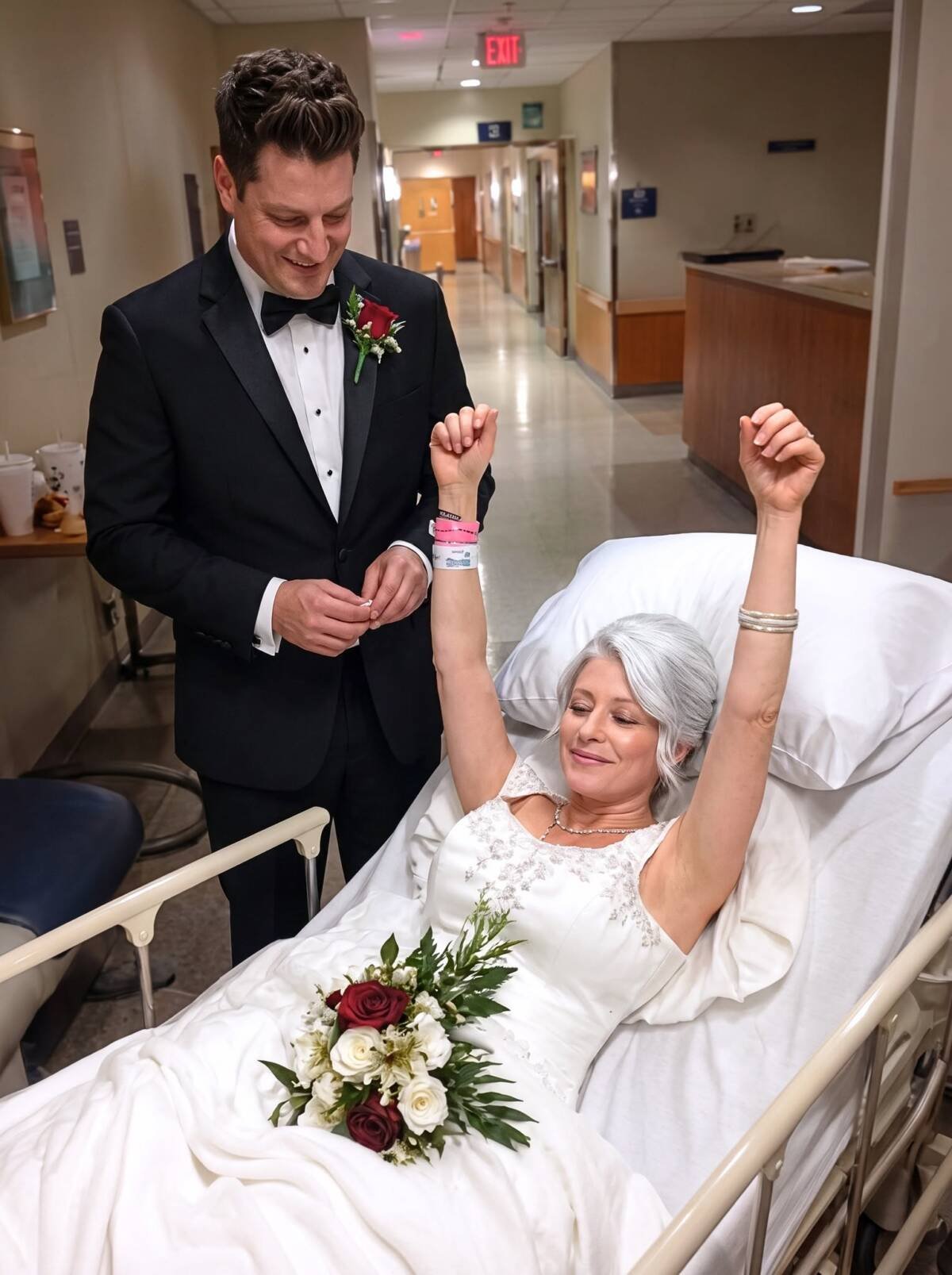
She Refused to Marry Me for Four Years—Until Six Days Before Her Surgery. Weeks After She Passed Away, Her Lawyer Revealed the Secret She Kept Until the End
For nearly four years, the woman I loved turned down every marriage proposal I made. She had her reasons, and as much as they broke…
Read more
A 7-Year-Old Walked Into a Police Station and Pulled a Syringe From Her Shoe—Seconds After Running the Code, the Officer Locked Every Door
Rain had barely begun tapping against the front windows of the precinct when two seven-year-old girls pushed through the glass doors alone, holding hands. One…
Read more
My Husband Secretly Slipped Something Into My Soup—So I Quietly Switched Our Bowls. Thirty Minutes Later, Everything Changed
It takes less than three seconds to pour a clear liquid from a glass vial into a bowl of steaming soup. It takes even less…
Read more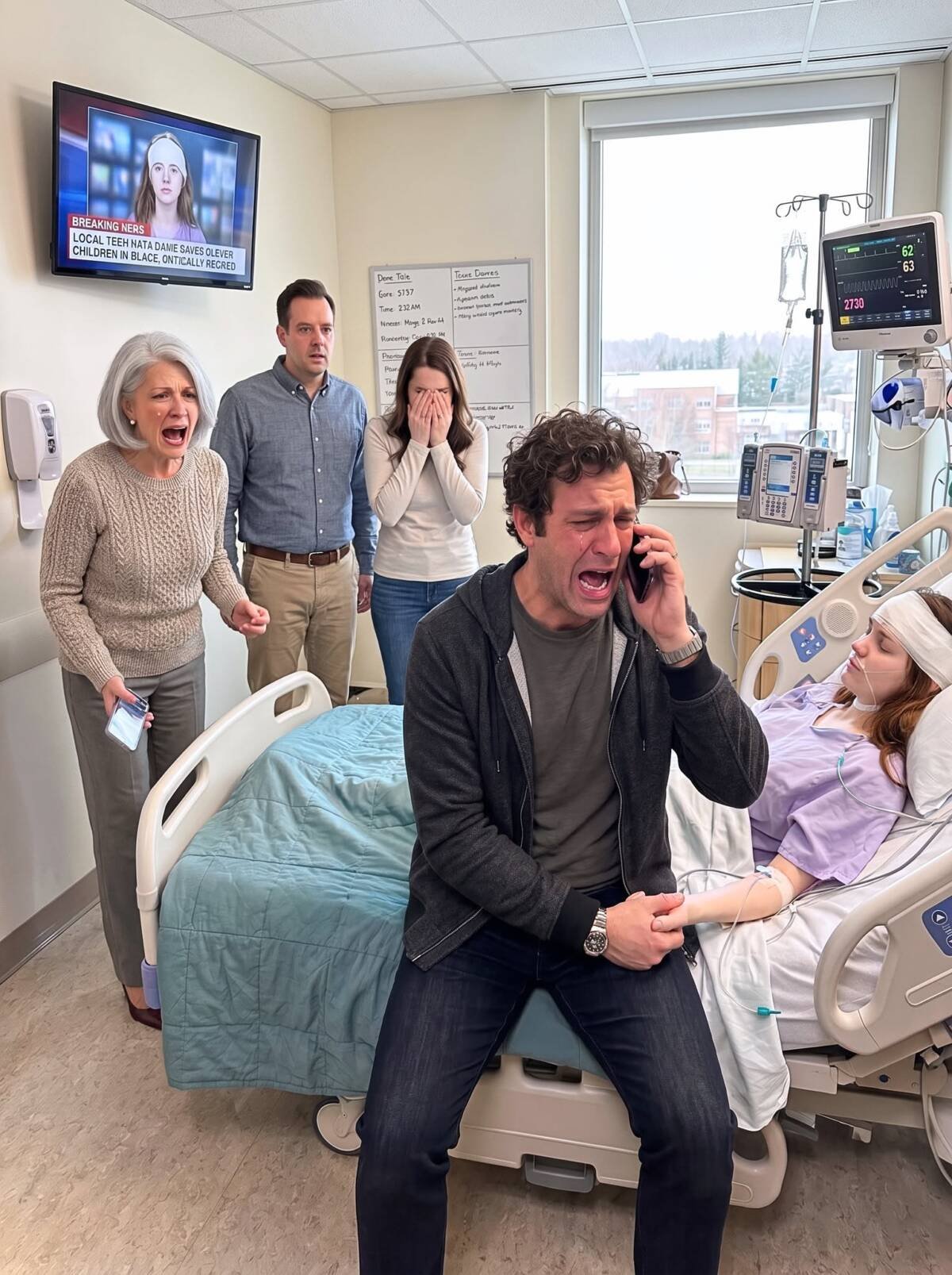
A Father Sent His Family a Photo of His Daughter After Emergency Brain Surgery—Their Cold Replies Went Viral Hours Later When Breaking News Revealed Who She Saved
At 6:14 p.m., in a quiet room at Harborview Medical Center in Seattle, a father stood beside his seventeen-year-old daughter’s hospital bed and took a…
Read more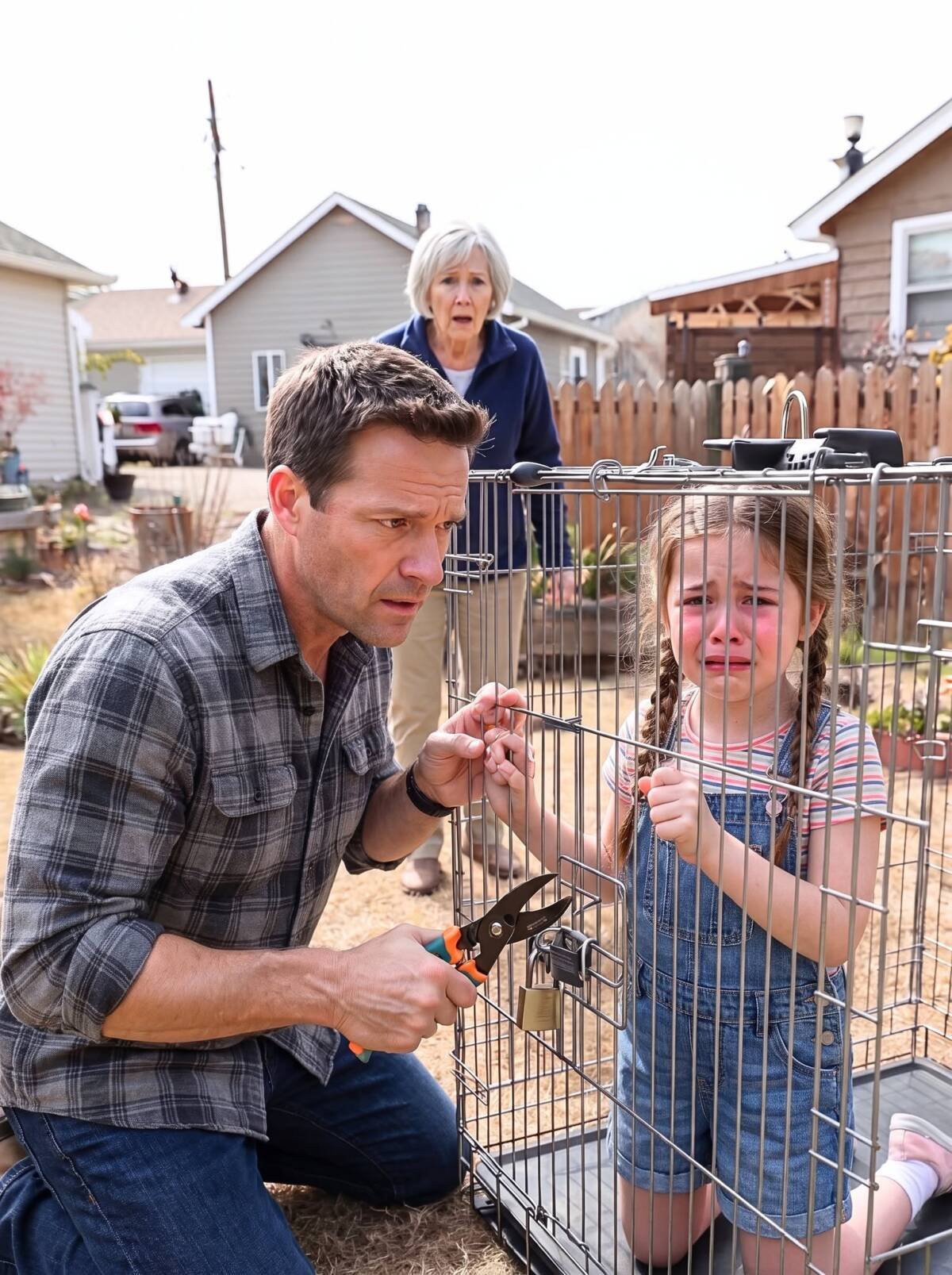
My 10-Year-Old Daughter Ignored My Calls for Three Days—When I Found Her in the Backyard, She Whispered, “Daddy, Please Don’t Look at the Pool”
For three straight days, my ten-year-old daughter didn’t answer a single one of my phone calls. Every ring went straight to voicemail, and every text…
Read more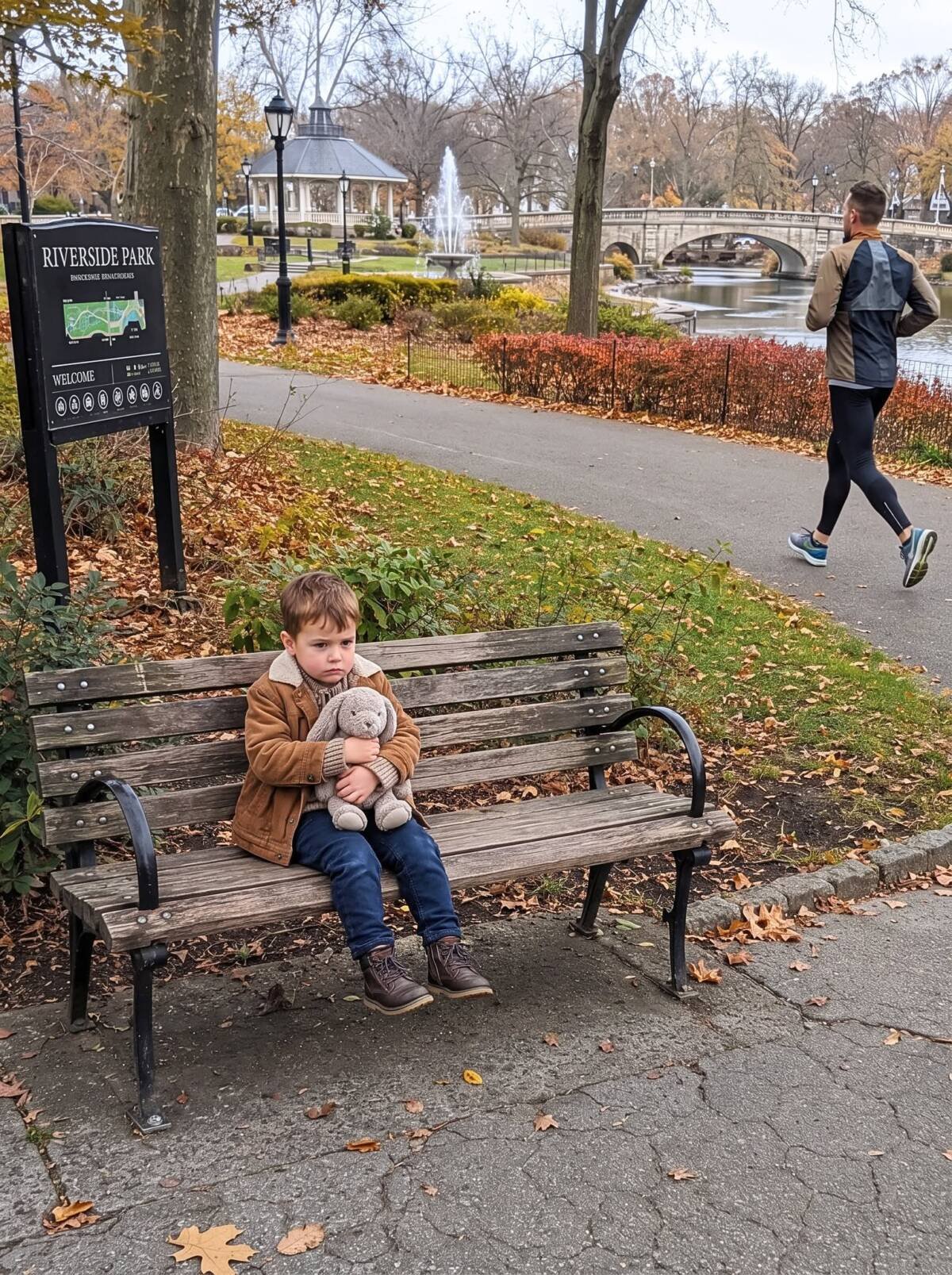
Every Morning, a 3-Year-Old Sat Alone on the Same Park Bench for 8 Hours—Until One Runner Stopped and Uncovered a Heartbreaking Truth
For days, joggers, dog walkers, and commuters passed the same weathered wooden bench in a quiet Los Angeles park without giving it a second thought….
Read more