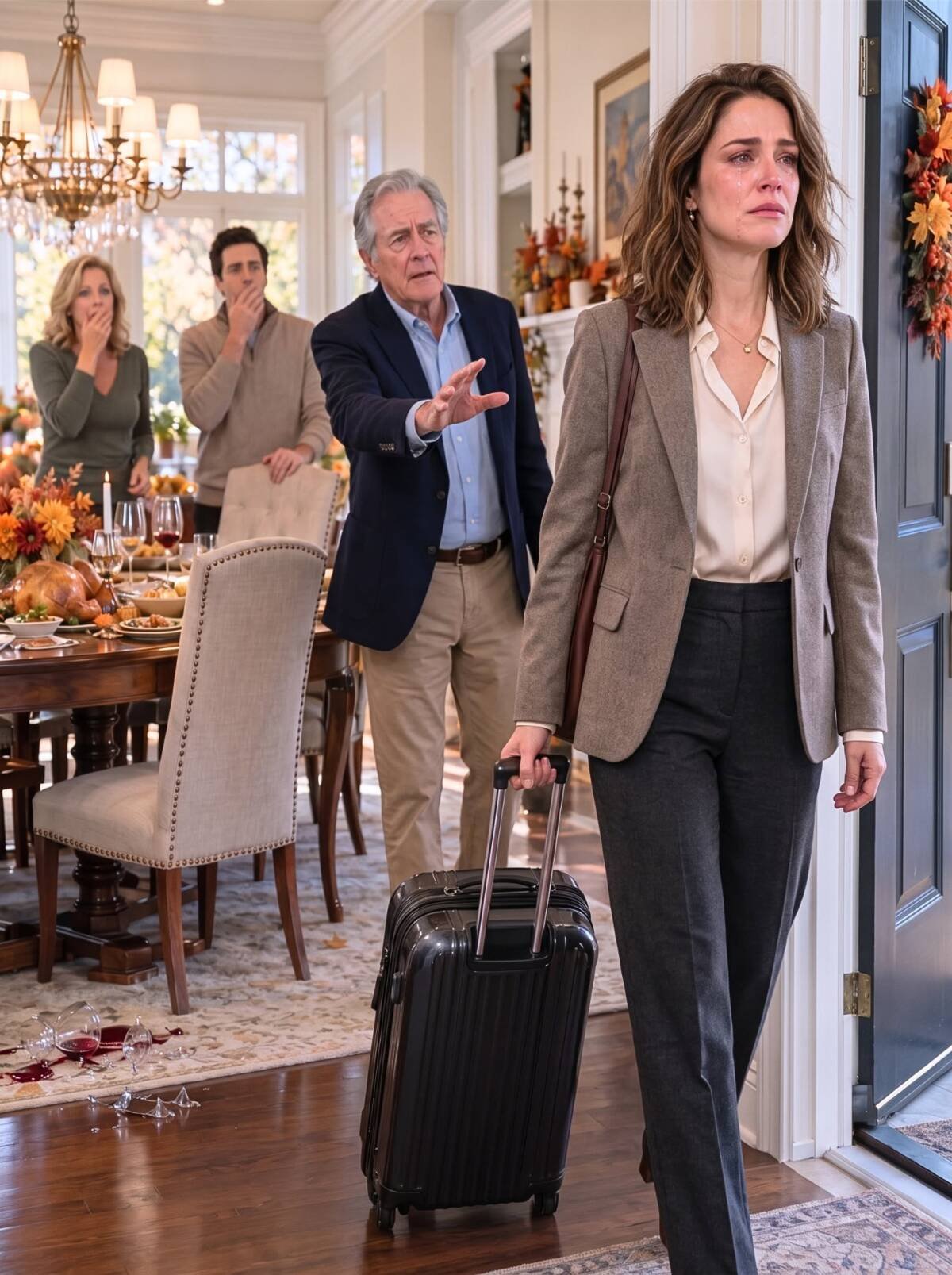
They watched me collapse, heard the paramedics warn that my heart was in danger, and still chose a family celebration over staying by my side. Nine days later, when my parents walked into the hospital expecting to take me home, the head nurse stepped in front of the door and delivered a sentence that changed everything: “You’re not authorized to discharge her. Not anymore.”
Introduction: The Flight That Mattered More Than My Life
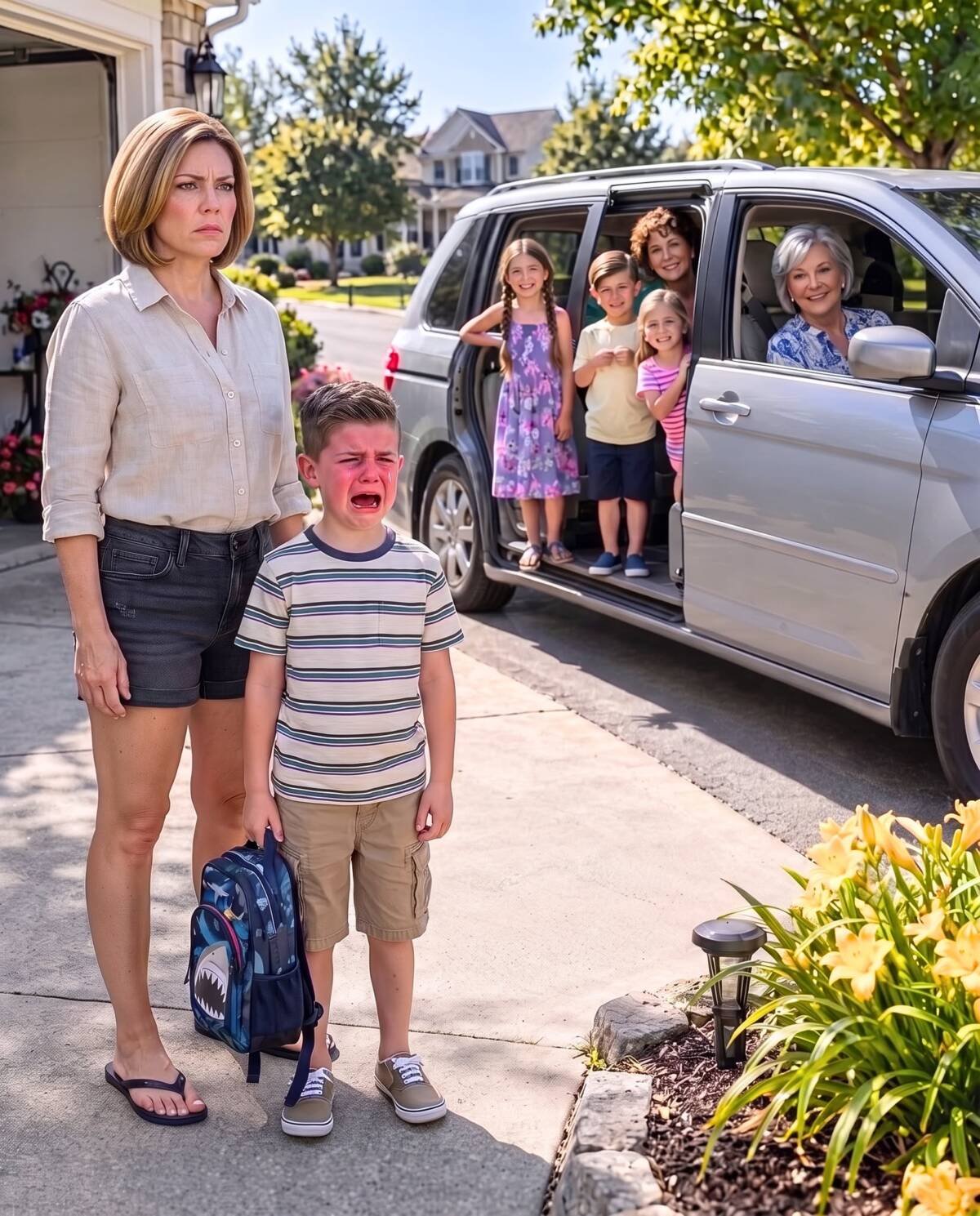
My parents’ suitcases were already lined up beside the front door when I arrived at their house that morning.
Mom stood in front of the hallway mirror, carefully applying lipstick. Dad kept refreshing the airline’s flight status on his phone. My younger sister, Camille, was checking her garment bag and making sure the dress she planned to wear to her engagement celebration hadn’t wrinkled during the drive.
Their flight left at six.
Everything had been arranged around that departure. The transportation, the luggage, the celebration, and the carefully planned family photographs. Nobody wanted a delay, and certainly nobody wanted an unexpected problem.
I had no idea that, within minutes, I would become the problem they were determined to leave behind.
My name is Florence. I’m thirty-four years old, a licensed engineer, and someone who spent most of her life trying to convince her family that the physical symptoms they dismissed as attention-seeking were real.
For as long as I could remember, I had experienced episodes of dizziness, weakness, and fainting. Sometimes my heart would flutter strangely. Other times, my vision would narrow until the world around me seemed to disappear.
My parents never took those episodes seriously.
They called me dramatic. They said I was overly sensitive. On more than one occasion, they suggested that I had developed a habit of making myself sick whenever something important was happening in the family.
So I learned to minimize my symptoms.
I learned to apologize when I needed help.
And I learned that asking my family to take my pain seriously often created more trouble than suffering quietly.
That morning, however, my body made the decision for me.
As I stood in the kitchen, a familiar flutter began in my chest. My heartbeat seemed to stumble, then race. The room grew strangely bright, and the edges of my vision blurred.
I reached for the counter.
I missed it.
The next thing I knew, I was falling toward the cold kitchen tile.
And while my family prepared to leave for the airport, my heart was entering a dangerous rhythm that would change all our lives.
The Collapse Nobody Wanted to Deal With
I remember the sound of my body hitting the floor more clearly than I remember the pain.
It was a hard, sudden impact.
For a moment, I could hear everything around me, but I couldn’t make sense of what was happening. My chest felt strange, my arms were heavy, and the ceiling seemed to move farther away.
Then I heard Camille.
“Is she seriously doing this now?”
Her voice carried irritation rather than fear.
I wanted to tell her that I wasn’t doing anything on purpose. I wanted to explain that I couldn’t control my heartbeat, that something felt terribly wrong, and that I needed someone to help me.
But my mouth wouldn’t cooperate.
Mom knelt beside me and touched my shoulder.
“Florence, we don’t have time for this today.”
Even then, she sounded more concerned about the schedule than about me.
Dad called 911. For a brief moment, I thought that meant he had finally understood how serious the situation was.
But while the emergency operator spoke through the phone, Dad kept glancing toward the front door.
He asked how long an ambulance might take.
He asked whether I was breathing.
And, according to what I later learned, he continued talking about the flight.
The paramedics arrived within seven minutes.
They moved quickly, checking my vital signs, attaching monitoring equipment, and starting an IV. One of them examined the cardiac monitor, then looked at his partner.
Their expressions changed.
“We need to transport her immediately,” one paramedic said. “This isn’t a routine fainting episode.”
The words should have frightened everyone in the room.
Instead, Dad looked at his watch.
“She’ll be fine. Our flight with her sister leaves at six.”
He said it calmly, as though he were explaining why they couldn’t stay for an ordinary doctor’s appointment.
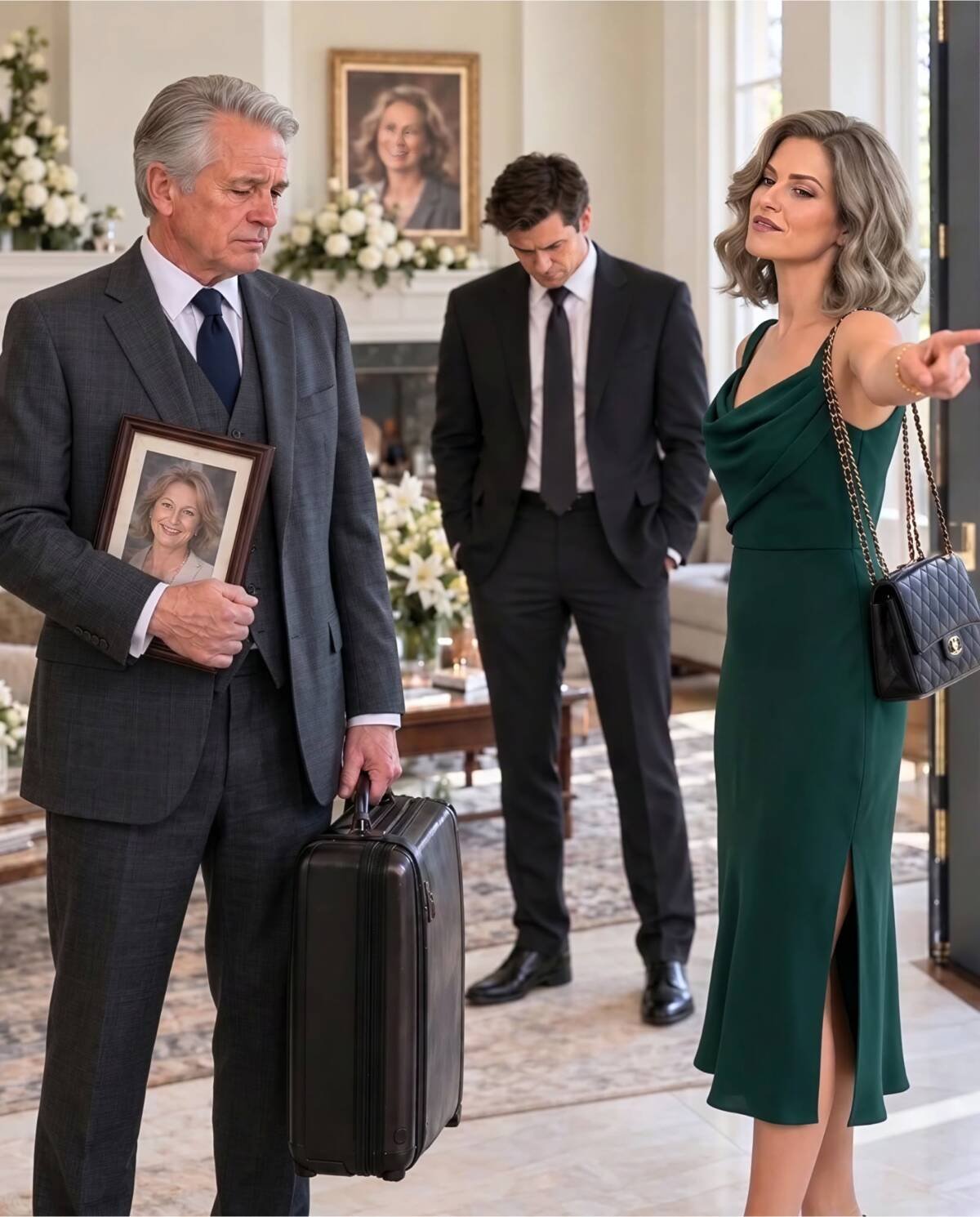
Mom stood up and collected her purse.
Camille lifted her garment bag.
Then all three of them walked around the gurney and headed toward the front door.
They left while the paramedics were still preparing to take me to the ambulance.
I remember seeing their suitcases one last time.
I remember the sound of the front door opening.
And I remember the car doors closing outside.
Then the ambulance doors shut, and the siren began.
My family went toward the airport.
I went toward the hospital.
Neither direction would ever be the same again.
The Diagnosis That Changed Everything
When I regained consciousness, I was in the cardiac unit at St. Brendan’s Hospital.
Oxygen rested beneath my nose. Adhesive electrodes covered my chest, and a monitor beside the bed displayed the electrical activity of my heart.
A deep bruise stretched across my chest.
The first person I saw was a young doctor standing near the foot of my bed.
She introduced herself and explained that I had experienced a serious cardiac rhythm disturbance. My heart had entered a dangerous rhythm, and the medical team had needed to perform electrical cardioversion to restore a safer rhythm.
I listened to her explanation, trying to connect the medical language with what I remembered from the kitchen.
Then I asked the only question that mattered to me at that moment.
“Have you called my family?”
The doctor hesitated.
“We’ve been trying to reach them, but the numbers on file keep going to voicemail.”
I stared at the ceiling.
Surely they would call back.
Surely, once they understood that I had been taken to a cardiac unit, they would turn around, contact the hospital, or at least ask whether I was alive.
I waited.
No one came.
Later, the doctor returned to discuss my medical history and asked whether there was someone else the hospital could contact.
“A friend? A relative? Someone who should be here with you?”
I was thirty-four years old. I had a career, a home, responsibilities, and a family whose approval I had spent decades trying to earn.
Yet I could not think of a single person I felt comfortable naming.
“There isn’t anyone,” I whispered.
The doctor didn’t argue with me.
She simply nodded and continued explaining my treatment.
After she left, I turned toward the chair beside my bed.
It was empty.
That chair became the first thing I noticed whenever I woke up. It stood beside the window, positioned close enough for someone to sit near me, hold my hand, or ask how I was feeling.
For four days, it remained empty of anyone from my family.
The nurses came to check my vital signs. Doctors reviewed my results. Technicians adjusted equipment and performed tests.
Everyone had a role to play in keeping me alive.
But the people I had spent my life trying to please were somewhere else, celebrating my sister.
The Photograph That Broke My Heart
Nineteen hours after my collapse, my phone buzzed.
I grabbed it almost immediately.
For one foolish second, I believed my mother had finally called. Perhaps she had learned what happened. Perhaps she was frightened. Perhaps she wanted to apologize for leaving.
Instead, I found a photograph in our family group chat.
Camille stood beneath a chandelier in a champagne-colored gown, smiling beside our parents. Mom looked radiant, and Dad stood proudly at Camille’s side.
The caption read:
“Our girl. What a night. So proud.”
I stared at the photograph.
I could almost hear the celebration around them. Glasses clinking, music playing, relatives congratulating Camille, and everyone posing for pictures.
Meanwhile, I was lying in a hospital bed with a heart monitor attached to my chest.
My heartbeat was being watched by machines because it had nearly failed me.
And my family had not even asked whether I was okay.
A little later, Mom sent me a private message.
She said she was glad I was feeling better. Then she told me how beautiful Camille had looked and how wonderful the celebration had been.
Her final instruction was simple.
“Get some rest, Florence.”
There was no question about my diagnosis.
No apology for leaving.
No acknowledgment that the paramedics had considered my condition serious enough to require immediate transportation.
I started typing a reply.
I nearly died on your kitchen floor while you went to celebrate Camille’s engagement.
I read the sentence several times.
Then I deleted it.
I knew what would happen if I sent it. Mom would say I was exaggerating. Dad would remind me that the paramedics had taken care of me. Camille would accuse me of trying to ruin her celebration.
Somehow, my fear would become selfishness.
My pain would become drama.
And their decision to leave would become my fault.
So I put my phone down.
For the first time, I began to wonder whether the problem wasn’t that I had failed to explain myself clearly enough.
Perhaps I had spent my entire life trying to convince people who had already decided not to listen.
The Nurse Who Treated Me Like a Human Being
That first night in the cardiac unit, an older nurse named Ruth Vance came into my room to check my monitor.
She noticed that my throat was dry and that I kept swallowing uncomfortably.
Without making a fuss, she brought me a paper cup filled with ice chips.
“Small sips,” she said gently. “Let them melt.”
It was an ordinary gesture.
She hadn’t promised to stay all night. She hadn’t made a dramatic speech about compassion. She had simply noticed that I needed something and brought it to me.
Yet I felt tears gathering in my eyes.
Ruth paused.
“Are you hurting?”
I shook my head.
“I just didn’t realize how much I needed someone to be kind to me.”
She pulled the blanket a little higher over my shoulder.
“You don’t have to earn kindness, sweetheart.”
I turned my face toward the window because I didn’t want her to see me crying.
For most of my life, I had believed that if I were more patient, more successful, less emotional, and less demanding, my family might finally treat me with the same consideration they gave Camille.
Ruth’s words challenged that belief in a way no argument ever had.
Maybe kindness wasn’t a reward for being convenient.
Maybe I had deserved it all along.
That night, as the cardiac monitor continued to beep beside my bed, I remembered something I had almost forgotten.
Six years earlier, I had signed a legal document naming someone to make medical decisions for me if I became unable to make them myself.
I remembered filling out the paperwork.
I remembered choosing a name.
And slowly, I began to remember why.
The Brother My Family Had Erased
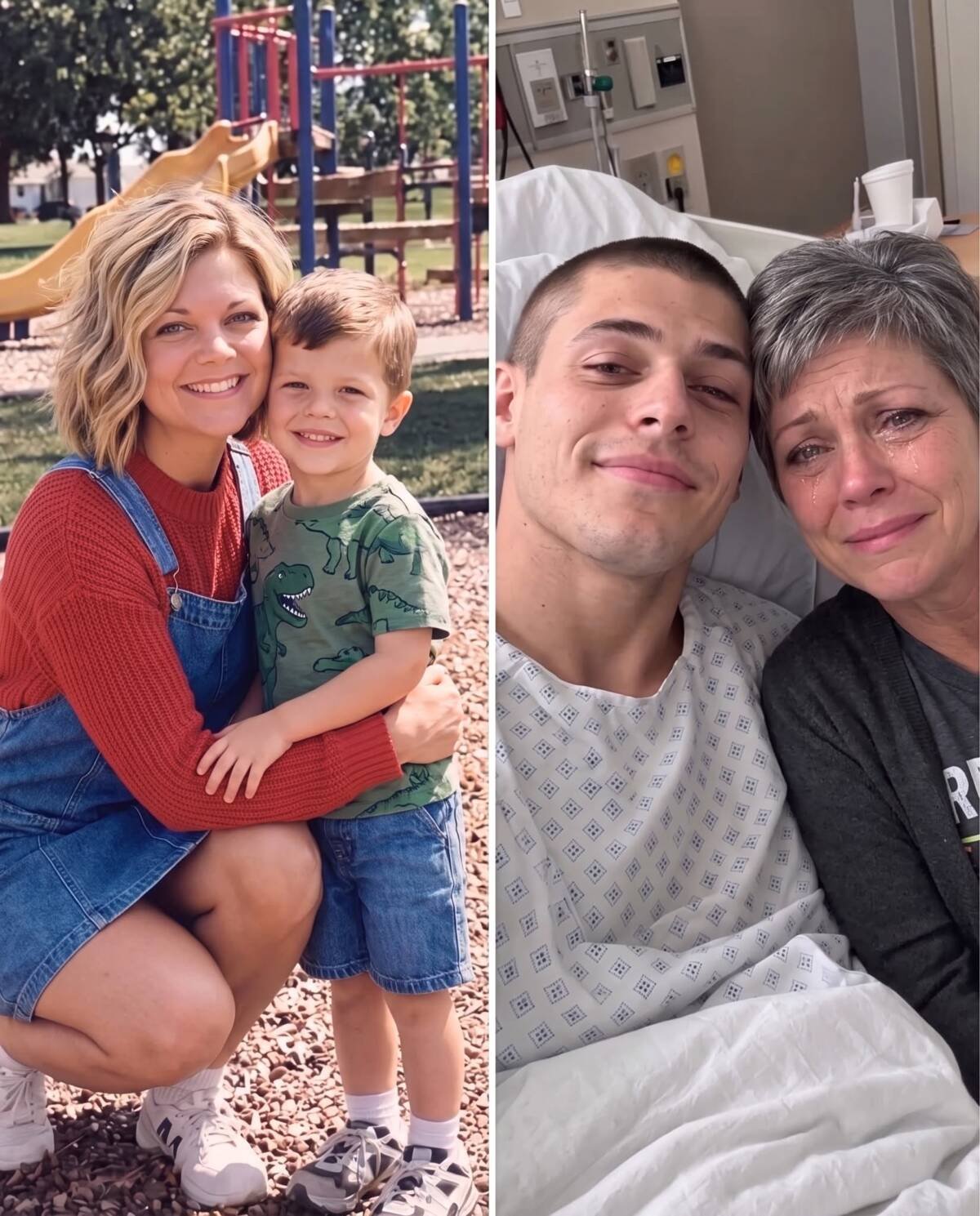
My older brother, Reed, had once been the most dependable person in our family.
He was the person who answered calls late at night, repaired broken appliances, helped relatives move, and showed up whenever someone needed practical help.
If Camille had trouble with her car, Reed would fix it.
If Mom needed something carried upstairs, Reed would do it.
If Dad faced an unexpected expense, Reed often found a way to help.
For years, he carried responsibilities that nobody had formally assigned to him but everyone expected him to accept.
Then came Thanksgiving.
I remember the argument because it was one of the few times someone openly challenged our parents’ treatment of me.
Reed had been helping me after another episode of dizziness. I was exhausted, embarrassed, and apologizing repeatedly for needing assistance.
Dad made a remark about my tendency to turn ordinary problems into family emergencies.
Reed put down his fork.
“One day, Florence is going to have a real emergency, and you’re going to treat it like an inconvenience. I won’t always be here to clean it up.”
The table fell silent.
Dad accused him of disrespect.
Mom told him not to ruin dinner.
Camille stared at her plate.
Reed refused to apologize.
The argument escalated until Dad told him to leave.
And Reed did.
Within a year, our family had almost erased him from its history. His name became something we avoided mentioning, and his absence was treated as a personal betrayal rather than the result of a decision our father had made.
I should have defended him.
Instead, I stayed quiet.
I was afraid of becoming the next target. I told myself that staying neutral would preserve the peace.
But silence didn’t preserve the peace.
It preserved the rules.
Several months after Reed left, I experienced another serious episode while I was alone. I drove myself to an emergency department, hoping the symptoms would pass before anyone noticed how frightened I was.
When the intake nurse asked who she should contact, I couldn’t bring myself to write down my parents’ names.
I called Reed instead.
He answered at two in the morning.
He stayed on the phone with me until I was evaluated and knew what to do next.
Before I left that hospital, I completed an advance directive and named him as my medical power of attorney.
At the time, it seemed like a practical decision.
Reed had always taken my health seriously. He had never accused me of inventing symptoms or suggested that my medical needs were a burden.
If I ever became unable to make decisions for myself, I wanted someone who would listen to the doctors and put my well-being first.
I chose him.
Then time passed.
Pride grew between us. I stopped calling regularly, and he stopped trying to force a relationship I wasn’t ready to repair.
Eventually, I forgot the document was still in effect.
But the document had not forgotten him.
The Phone Call That Brought Him Back
On the fourth night of my hospitalization, I opened an old voicemail from Reed.
I had saved it years earlier and never deleted it.
His voice sounded tired but familiar.
“Flo, I know things have been difficult. I’m not calling to argue about Mom and Dad. I just want you to know that if you’re ever in real trouble, my number still works. I’ll come if you need me.”
I listened to it once.
Then again.
Then a third time.
For years, I had told myself that calling Reed would mean admitting I had been wrong to remain silent when our parents pushed him away.
But lying in that hospital bed, I began to understand that pride was another form of isolation.
I picked up my phone and called him.
He answered quickly.
“Florence?”
My voice was barely audible.
“Reed, I’m in the hospital.”
There was a pause.
“What happened?”
I tried to explain the collapse, the cardiac emergency, the doctors, and the fact that I had been alone since arriving.
Then I told him that our parents had gone on their trip.
I didn’t need to explain much more.
“I’m coming,” he said.
He reached the hospital about ninety minutes later.
When he entered my room, his eyes moved from the monitor to the electrodes on my chest and finally to the bruise across my skin.
His expression changed.
“Flo.”
I tried to smile.
“You came.”
He pulled the chair beside my bed closer.
“You called.”
He sat down carefully, then rested his hand over my forearm.
For a few seconds, neither of us spoke.
Then he asked the question I had been avoiding.
“Mom and Dad left while you were being taken to the hospital?”
I nodded.
He looked toward the empty space beside the bed, then back at me.....