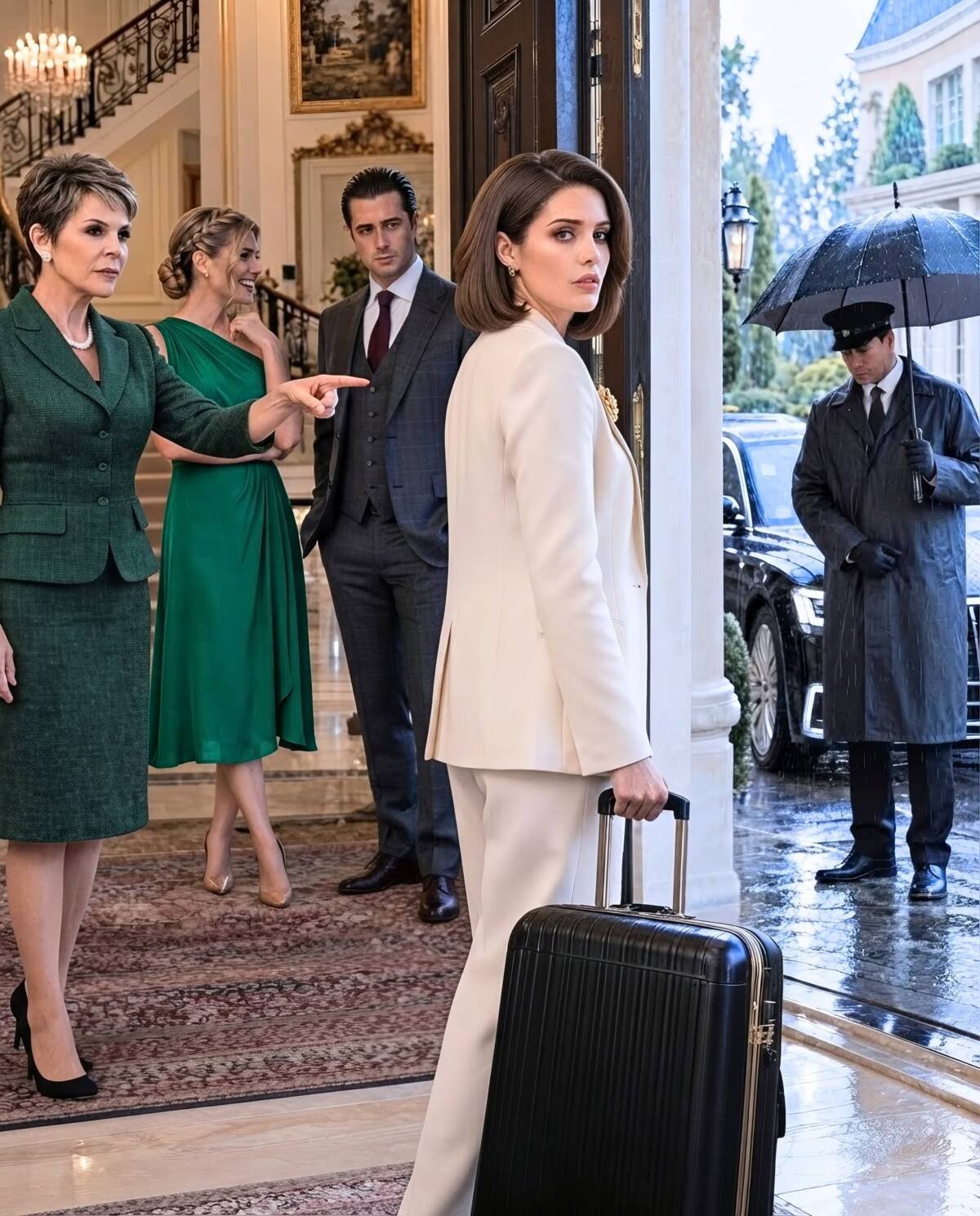
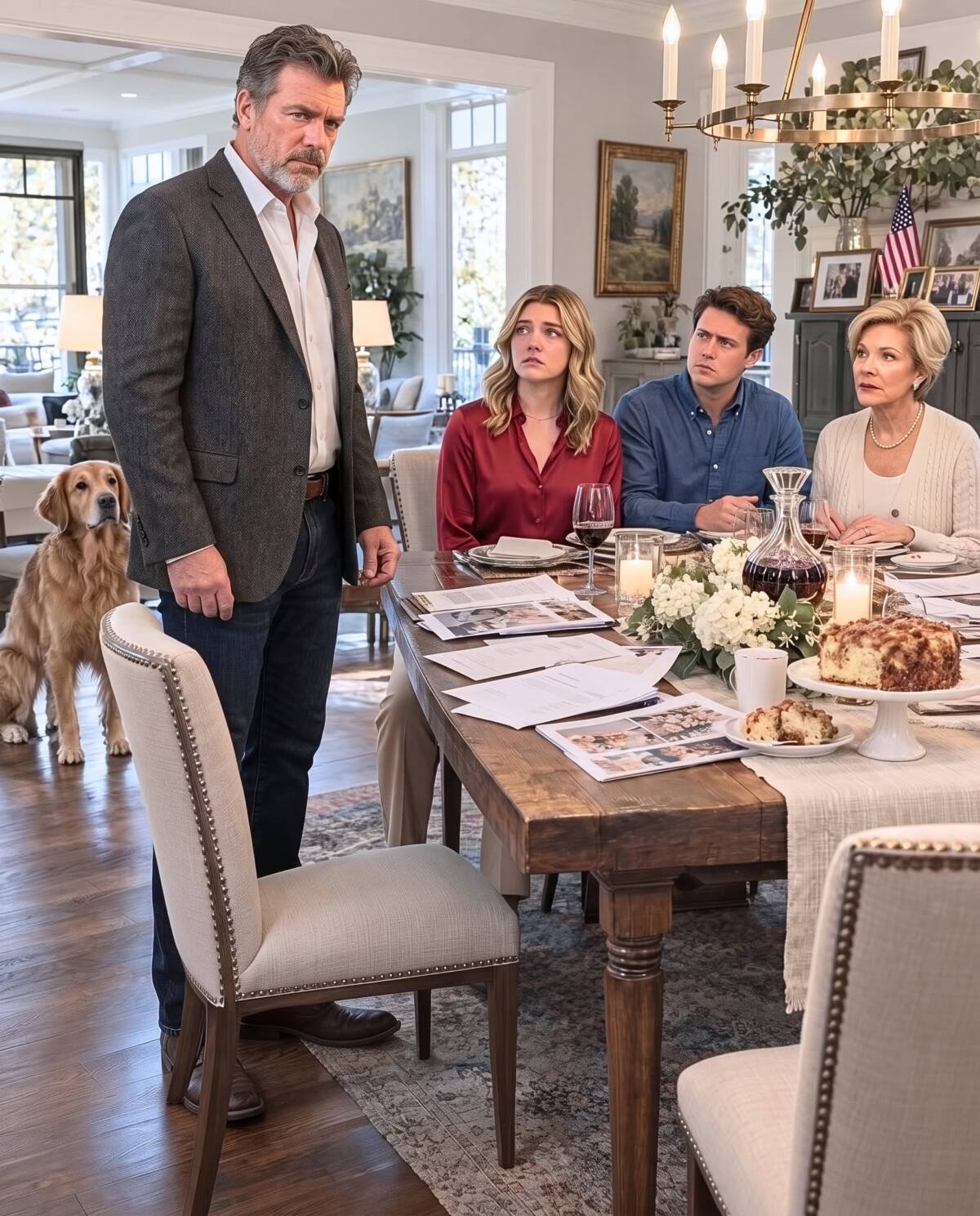
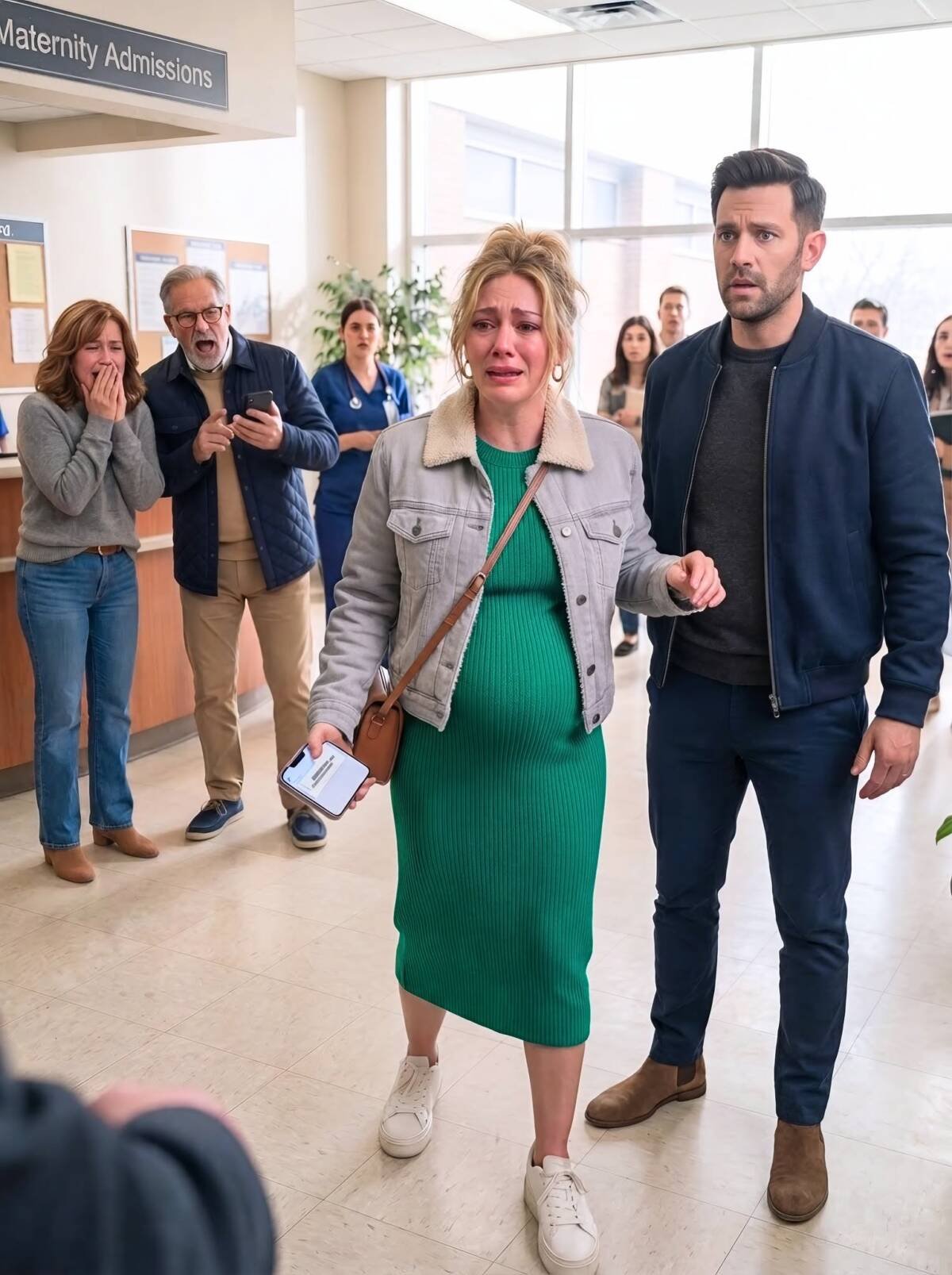
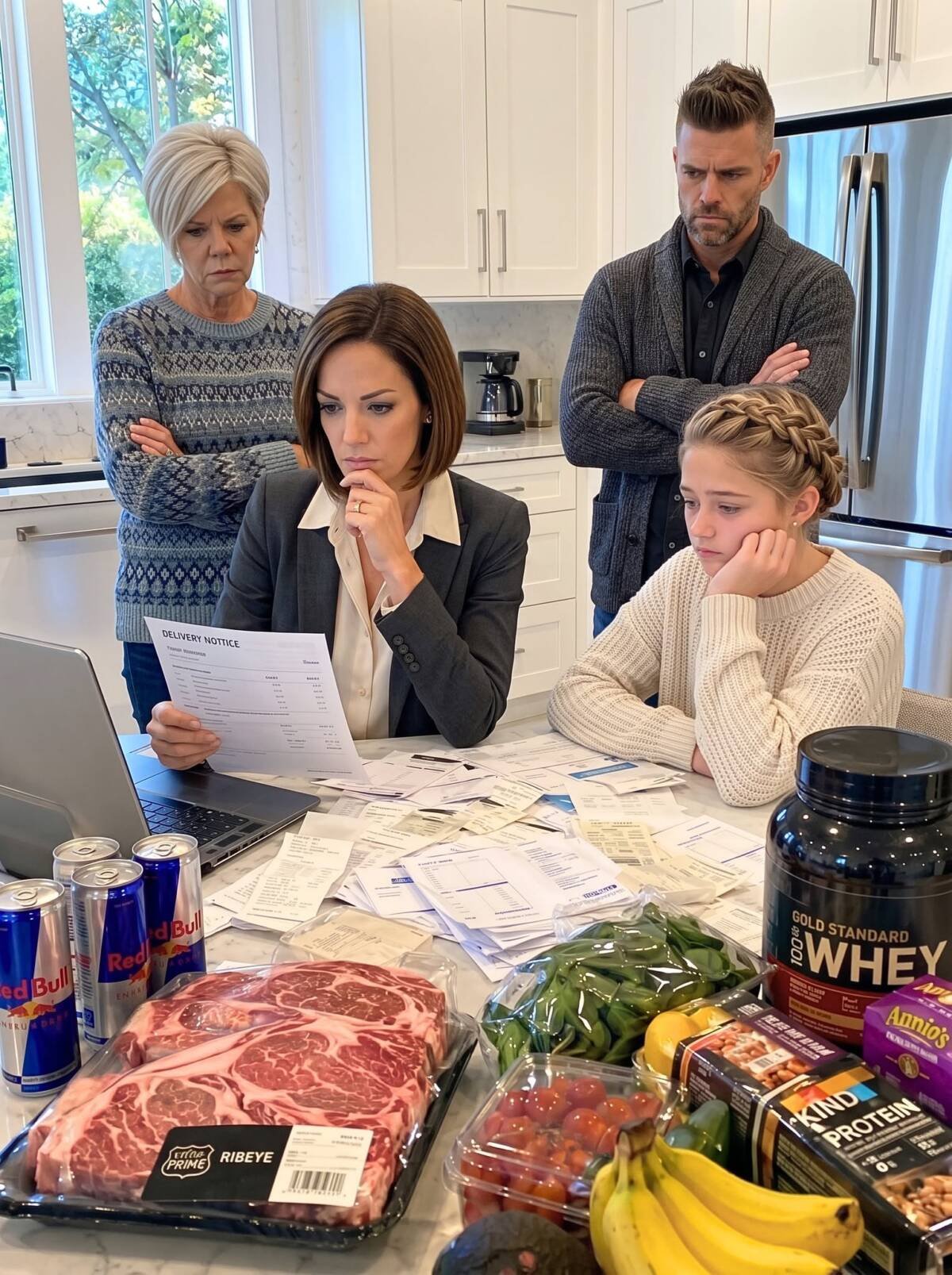
After our parents died, I inherited the 80-acre ranch I had spent years helping them maintain. My sister thought she could take it from me with a few legal documents and a moving crew. She was wrong—and the truth she uncovered at the gate changed everything.
When my older sister arrived at our family ranch with a lawyer and announced that I had to leave, I knew our relationship had reached a point I never imagined possible.
“The ranch belongs to me now,” she said. “Start packing.”
I was sitting in our father’s old chair when she delivered the ultimatum. I looked at her, took a slow breath, and gave her the only answer she deserved.
“Good luck with that.”
She smiled as if I had just made a joke.
Two days later, she returned with moving trucks, expecting to find me packing my belongings. Instead, she encountered a situation she had never anticipated—and the confidence she had carried onto the property disappeared almost immediately.
But that confrontation was only the beginning.
What followed was a bitter family dispute involving questionable property transfers, mounting legal pressure, financial desperation, and evidence my sister apparently believed would never come to light.
My name is Jacob. I was twenty-nine when I inherited the ranch my parents had spent their lives building. And before the ordeal was over, I would learn that protecting a family legacy sometimes means standing up to the people who know exactly how to hurt you.
A Family Ranch Worth $1.2 Million
The ranch covered eighty acres of rolling hills, open pasture, fenced paddocks, and working farmland. At its center stood a farmhouse that had belonged to our family for three generations.
There were stables that needed constant attention, fences that seemed to require repairs every season, and old trees my mother had planted decades earlier. The property had its imperfections, but every corner held a memory.
To a real estate investor, it was a valuable piece of land worth approximately $1.2 million.
To me, it was home.
I learned to ride horses there before I could ride a bicycle. I spent countless mornings beside my father, repairing fences, checking the livestock, and handling the work that kept the operation running.
My mother often watched us from the kitchen window, occasionally stepping onto the porch to remind us that breakfast was getting cold.
Those ordinary moments became priceless after both my parents died.
Their passing left a silence that no amount of work could fill. I continued caring for the ranch because the animals needed feeding, the property needed maintenance, and the seasons did not stop simply because my family was grieving.
The ranch gave me a reason to get out of bed when everything else felt uncertain.
It was also where my parents had wanted me to remain.
My older sister, Clare, had taken a different path.
She was three years older than me, ambitious, articulate, and accustomed to getting what she wanted. She had moved to the city years earlier to pursue her legal career, and her visits to the ranch became increasingly infrequent.
I stayed.
While Clare built her professional life elsewhere, I worked beside our father and gradually took on more responsibility as his health declined.
I managed repairs, cared for the animals, coordinated supplies, and helped keep the property operational. The work was not glamorous, and it rarely offered a convenient schedule, but I never considered it a burden.
When our parents’ estate was settled, the will left the ranch entirely to me.
Clare congratulated me.
At least, that was what she called it.
“Looks like you got the golden ticket,” she said.
Her smile was thin, and I noticed it, but I was too overwhelmed by grief to question her intentions.
I assumed she was struggling with the same loss I was.
I was wrong.
The First Signs That Something Was Changing
At first, Clare’s comments seemed like ordinary family friction.
She would mention the property’s value during conversations, make jokes about how fortunate I was, or remind relatives that she had received less tangible value from the estate.
“Must be nice inheriting a million-dollar property,” she remarked during one family gathering.
Another evening, she laughed while talking to our relatives.
“Well, Jacob needs somewhere to live.”
Several people joined in.
I did not.
I had spent years working for the ranch, but I understood that grief affected everyone differently. I tried to avoid turning every careless remark into a confrontation.
Then Clare began visiting more frequently.
She started suggesting renovations, discussing potential rental opportunities, and talking about changes she believed would improve the property’s profitability.
At first, I listened.
Some of her ideas were reasonable in isolation. The ranch needed investment, and there were opportunities to make the operation more sustainable.
But the way she spoke about the property gradually changed.
She no longer asked whether I wanted to make a particular improvement. She spoke as though the decisions had already been made.
One afternoon, she arrived with her fiancé and began discussing where they might build a nursery if they ever moved to the ranch.
I laughed awkwardly, assuming she was joking.
She did not laugh with me.
That evening, I began wondering whether Clare viewed the ranch as something we shared, regardless of what the will said.
The following week, she arrived carrying a thick stack of documents.
“Just routine estate paperwork,” she explained, placing the folder on my kitchen table.
I started reading.
The documents contained language concerning title changes, property transfers, and other legal arrangements that seemed far more consequential than her description suggested.
When I asked why the paperwork was necessary, she brushed off the question.
“It’s just easier if we get everything organized now.”
I refused to sign.
Something about the situation felt wrong, and I had learned enough from watching my father manage the ranch to know that important documents deserved careful attention.
That night, I contacted a friend familiar with real estate law.
After reviewing the circumstances, he recommended that I obtain independent legal advice and make sure the property’s ownership records were properly protected.
I followed his advice.
With the assistance of an attorney, I began organizing the relevant estate documents and evaluating whether a limited liability company, or LLC, would be an appropriate way to hold and manage the property.
The decision required careful legal and financial consideration. I did not want to create unnecessary complications, but I also did not want to leave the ranch vulnerable to a dispute I could already see developing.
Eventually, the ranch was transferred into an LLC under my control, following the legal steps advised by my attorney.
I kept the arrangements private.
I did not announce them to Clare, and I did not tell the extended family.
I simply wanted the ownership situation documented correctly before anything else happened.
A month later, I discovered how important that decision might become.
“The Ranch Belongs to Me Now”
Clare arrived one afternoon with an attorney.
She barely greeted me before announcing that the ranch was hers and that I needed to begin packing.
“The deed is in my name now,” she said. “You should start making arrangements to leave.”
I sat in our father’s old chair and studied her face.
There was no hesitation in her expression. She appeared entirely convinced that the matter had already been settled.
I asked her to explain the documents supporting her claim.
Her attorney produced paperwork that, according to Clare, established her ownership.
I did not argue with either of them.
Instead, I leaned back in the chair.
“Good luck with that.”
Clare’s expression hardened.
“You’re not taking this seriously.”
“I am taking it seriously,” I replied. “That’s why I’m not going to argue about it in the kitchen.”
She left believing she had made her position clear.
Two days later, she returned with moving trucks.
The vehicles rolled toward the entrance as though the entire operation had been arranged in advance. Several movers stepped out, prepared to begin carrying belongings from the farmhouse.
Clare approached the house with the same confidence she had displayed during her previous visit.
Then she saw who was waiting at the gate.
My attorney had arrived, accompanied by a representative who had the relevant property documentation available for review. The records showed that Clare’s claim was disputed and that she could not simply assume she had the right to remove me or my belongings.
The situation was not as straightforward as she had led the movers to believe.
My attorney explained that any attempt to take possession of the property needed to comply with the applicable legal process.
The movers stopped.
Clare asked to see the documents. She read them, looked toward the farmhouse, and then turned back to her attorney.
Her confident smile had disappeared.
After a tense discussion, she instructed the movers to leave.
The trucks pulled away without anyone entering the house or touching my belongings.
I watched from the porch as Clare drove down the long driveway.
For the first time since our parents’ deaths, I felt that the ranch might remain mine.
But I knew better than to mistake one confrontation for a final victory.
Clare had not come that far simply to give up.
She had been stopped, and I suspected she would now look for another way to achieve her goal.
The Pressure Campaign Begins
For the next week, Clare went silent.
There were no calls, no messages, and no surprise visits.
The quiet was unsettling because I knew my sister well enough to understand that she often preferred planning her next move to admitting that something had gone wrong.
Then I opened the mailbox one morning and found a letter addressed to me as a tenant.
The notice claimed that the property’s owner was increasing my rent by sixty percent.
I read it twice.
I did not rent the ranch. I owned it.
At least, that was what the estate documents and property records indicated.
I called the number printed on the notice.
Clare answered.
“It’s just a misunderstanding,” she said.
Her tone was casual, almost dismissive.
Then she added, “You really should start thinking about your options, Jake. Managing that place by yourself isn’t sustainable.”
I asked her why she was sending me a rental notice for my own home.
She avoided the question.
I ended the call without arguing.
After that, Clare began arriving with her fiancé. They walked around the property taking photographs, measuring rooms, and discussing possible renovations.
One afternoon, I found them measuring the kitchen counters.
“What are you doing?” I asked.
Clare barely looked up.
“Relax. We’re just curious.”
“Curious about what?”
“What the place could become.”
I reminded her that the ranch was still the subject of an ownership dispute.
She rolled her eyes.
“You make everything difficult.”
I wanted to tell them both to leave immediately, but my attorney had advised me to avoid unnecessary confrontations.
Instead, I documented the visits, saved the messages, and recorded the dates and circumstances of each incident.
I also began keeping copies of every letter and notice connected to the dispute.
It was tedious work, but it gave me something I could control.....