She was struggling to breathe beside the kitchen sink, but her family thought she was pretending to avoid doing the dishes. Then a paramedic checked her pulse—and everything changed.
Eighteen-year-old Emma had spent months trying to tell her family that something was wrong. She had experienced dizziness, racing heartbeats, chest pressure, and shortness of breath, but each warning sign was dismissed as anxiety, exhaustion, or attention-seeking.
Then, one ordinary evening after dinner, Emma could barely breathe.
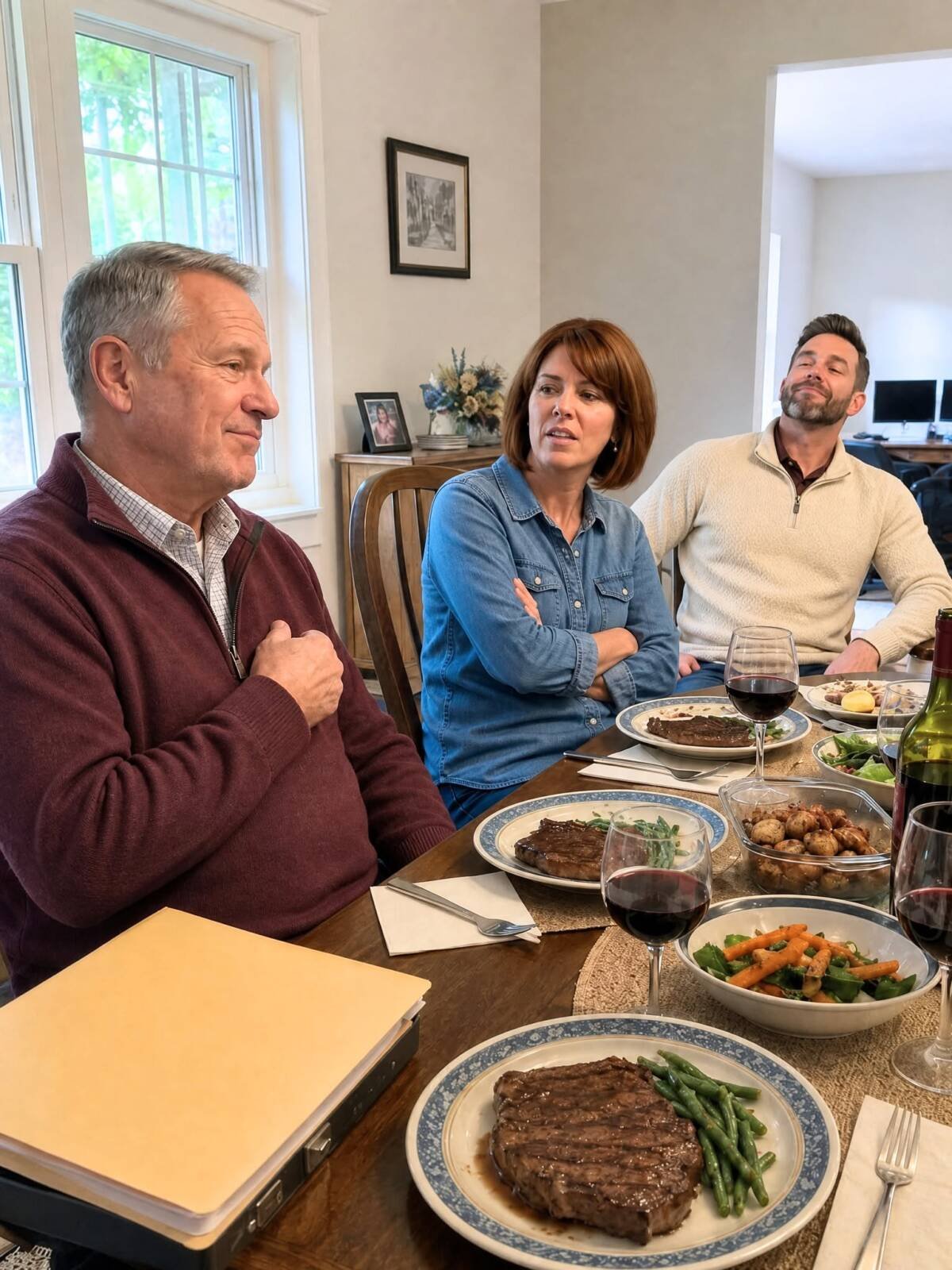
As she leaned against the kitchen counter, desperately trying to get enough air into her lungs, her mother accused her of faking it. Her uncle suggested she was simply trying to avoid cleaning the dishes.
But when Emma’s legs finally gave out and a paramedic arrived, the situation became impossible to dismiss.
Within minutes, Emma was being rushed to the hospital.
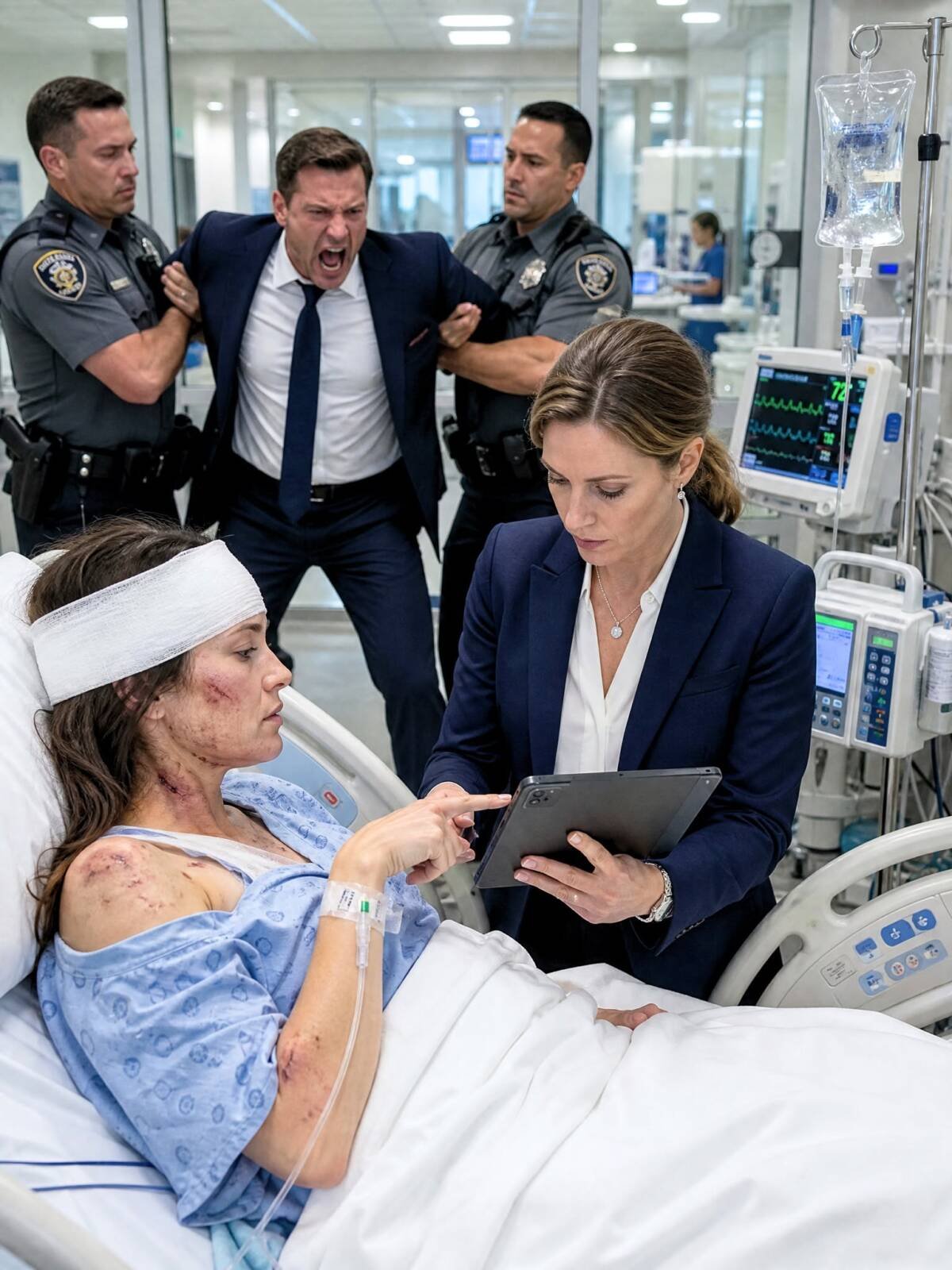
Doctors would soon discover that she had blood clots in both lungs—a life-threatening pulmonary embolism.
The diagnosis not only saved her life. It forced her family to confront something far more painful: how many times they had ignored her when she said she needed help.
The Breath Nobody Believed
The first time Emma truly understood how invisible she had become was in her own kitchen.
Dinner had barely ended, and dirty dishes were still piled high in the sink, covered with traces of mashed potatoes and dried gravy. Emma stood at the counter, one hand gripping the edge so tightly that her knuckles turned white.
Her other hand was pressed against her chest.
Every breath was becoming shallower.
It felt as though an invisible band had tightened around her ribs, making it harder with every second to draw air into her lungs.
The warm yellow kitchen lights began to blur.
The cabinets seemed farther away.
Then Emma looked toward her mother.
“Mom,” she managed to say between breaths. “I can’t… breathe.”
Instead of concern, irritation crossed her mother’s face.
“Quit faking it,” she snapped.
Emma stared at her.
She wanted to explain that this was different. She wanted to tell her mother that she was genuinely frightened and that something inside her body felt terribly wrong.
But she couldn’t get enough air to speak.
Her uncle Ray was leaning against the refrigerator with a beer in his hand.
He watched without much concern.
“She does this every time there’s work to do,” he said. “Suddenly she’s too sick to help with the dishes.”
Emma tried to answer him.
Nothing came out except a weak rasp.
Across the room, her sixteen-year-old brother, Caleb, wasn’t looking at the dishes.
He was looking directly at her.
“Mom,” he said quietly. “Her lips look blue.”
“They do not,” their mother replied.
She barely looked at Emma.
“Emma, stand up straight. You’re eighteen years old, not eight.”
The words barely registered.
Emma’s legs suddenly gave out.
Her knees buckled beneath her, and the glass she had been holding slipped from her fingers.
It crashed into the sink.
The sharp sound echoed throughout the kitchen.
For some reason, that noise finally broke through the family’s disbelief.
Daniel, Emma’s stepfather, rushed in from the living room.
The moment he saw her lying on the kitchen floor, his expression changed.
“Call 911,” he said.
Her mother immediately turned toward him.
“Daniel, don’t encourage this.”
He didn’t argue.
He didn’t explain.
He simply repeated himself.
“Call 911.”
Caleb grabbed the phone.
His hands were shaking so badly that he nearly dropped it, but within seconds he was giving the dispatcher their Cedar Rapids address.
Emma remained on the floor, struggling for every breath.
The pressure in her chest continued to intensify.
Her mother finally crouched beside her.
“Emma, this is enough,” she said. “You’re scaring your brother.”
If Emma had been able to speak, she would have told her that she was scared too.
Terrified.
But her body wouldn’t let her.
Then the Paramedics Arrived
The paramedics arrived less than seven minutes later.
A dark-haired female paramedic wearing a navy cap immediately knelt beside Emma.
“Emma? Can you hear me?”
Emma managed a weak blink.
The paramedic gently placed two fingers against Emma’s neck to check her pulse.
Her expression changed almost instantly.
The calm professionalism on her face disappeared.
“Get the stretcher now!” she shouted.
Another paramedic rushed through the front door.
Suddenly, the quiet kitchen erupted into urgent activity.
“What?” Emma’s mother asked, her voice trembling. “What’s wrong with her?”
The paramedic clipped a monitor to Emma’s finger.
She stared at the readings.
“Pulse is thready. Oxygen is dropping. We need to move.”
For the first time that night, Uncle Ray looked genuinely frightened.
He dropped his beer onto the table. It spilled across the wood, but nobody paid attention.
Emma’s mother reached toward her daughter as the stretcher was brought into the kitchen.
The paramedic stepped between them.
“Ma’am, please step back.”
Strong hands lifted Emma from the cold tile floor and placed her onto the stretcher.
As they wheeled her toward the ambulance, she caught one final glimpse of her family.
Caleb was standing near the doorway, tears running down his face.
Daniel looked pale and furious.
Her mother was calling her name repeatedly.
But Emma could no longer answer.
The Diagnosis That Changed Everything
The ambulance doors slammed shut behind Emma.
The sound seemed to separate her from the outside world.
Inside, everything moved quickly.
The siren blared overhead as flashing lights passed across the ambulance walls. A paramedic secured an oxygen mask over Emma’s face and leaned closer.
“Stay with me, Emma,” she said. “My name is Alicia. You’re going to the hospital.”
Emma wanted to respond.
She wanted to explain everything.
The crushing pressure in her chest had spread into her left arm. Every breath felt smaller than the one before it.
And this wasn’t the first time.
For months, Emma had experienced warning signs.
Dizzy spells.
Sudden racing heartbeats.
Shortness of breath.
Extreme exhaustion.
Chest pressure when climbing stairs.
She had even struggled during long shifts at the diner.
But whenever she tried to explain what was happening, her mother dismissed it as anxiety.
Her uncle joked that she had probably been searching medical websites again.
Now, none of those explanations mattered.
Alicia continued asking questions.
“What medications are you taking?”
“Do you have any allergies?”
“Have you taken anything today?”
“Do you have a history of heart problems?”
Emma could barely respond.
By the time the ambulance reached St. Mark’s Medical Center, a medical team was waiting.
Bright hospital lights flooded her vision.
Nurses surrounded the stretcher.
Electrodes were attached to her chest.
Blood was drawn.
Machines began monitoring her vital signs.
Doctors ordered imaging and a cardiac workup.
Then the possibilities began circulating among the medical team.
“Possible pulmonary embolism.”
“Could be myocarditis.”
“Blood pressure is dropping.”
Emma was eighteen years old.
Only hours earlier, she had been standing in her family’s kitchen.
Now doctors were fighting to determine why her body was failing.
A Life-Threatening Discovery
Eventually, Dr. Helen Morris arrived.
She wore her silver hair pulled neatly into a bun, and her voice remained calm despite the urgency surrounding Emma.
“Emma,” she said, “we’re going to take care of you. Keep breathing with the oxygen. Do you understand?”
Emma blinked.
It was all she could manage.
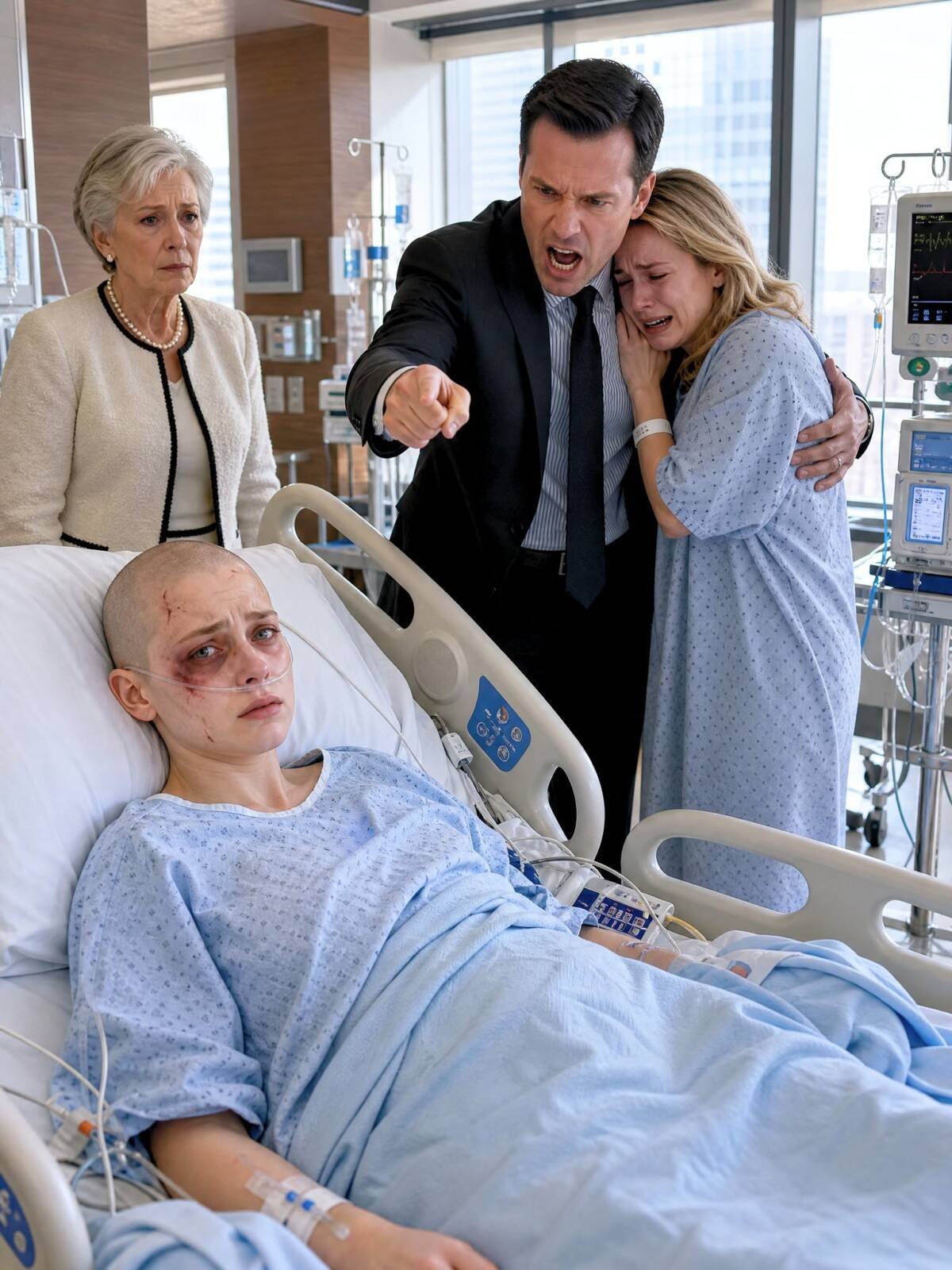
Hours later, Emma’s mother arrived at the emergency department.
“I’m her mother!” she could be heard saying outside.
A nurse responded firmly.
“Then you need to let the medical team work.”
For perhaps the first time in Emma’s life, she heard someone speak to her mother without immediately backing down.....