Two days after my sister died, I inherited the lake house that had been the center of our childhood memories. I expected grief, loneliness, and a long period of adjustment.
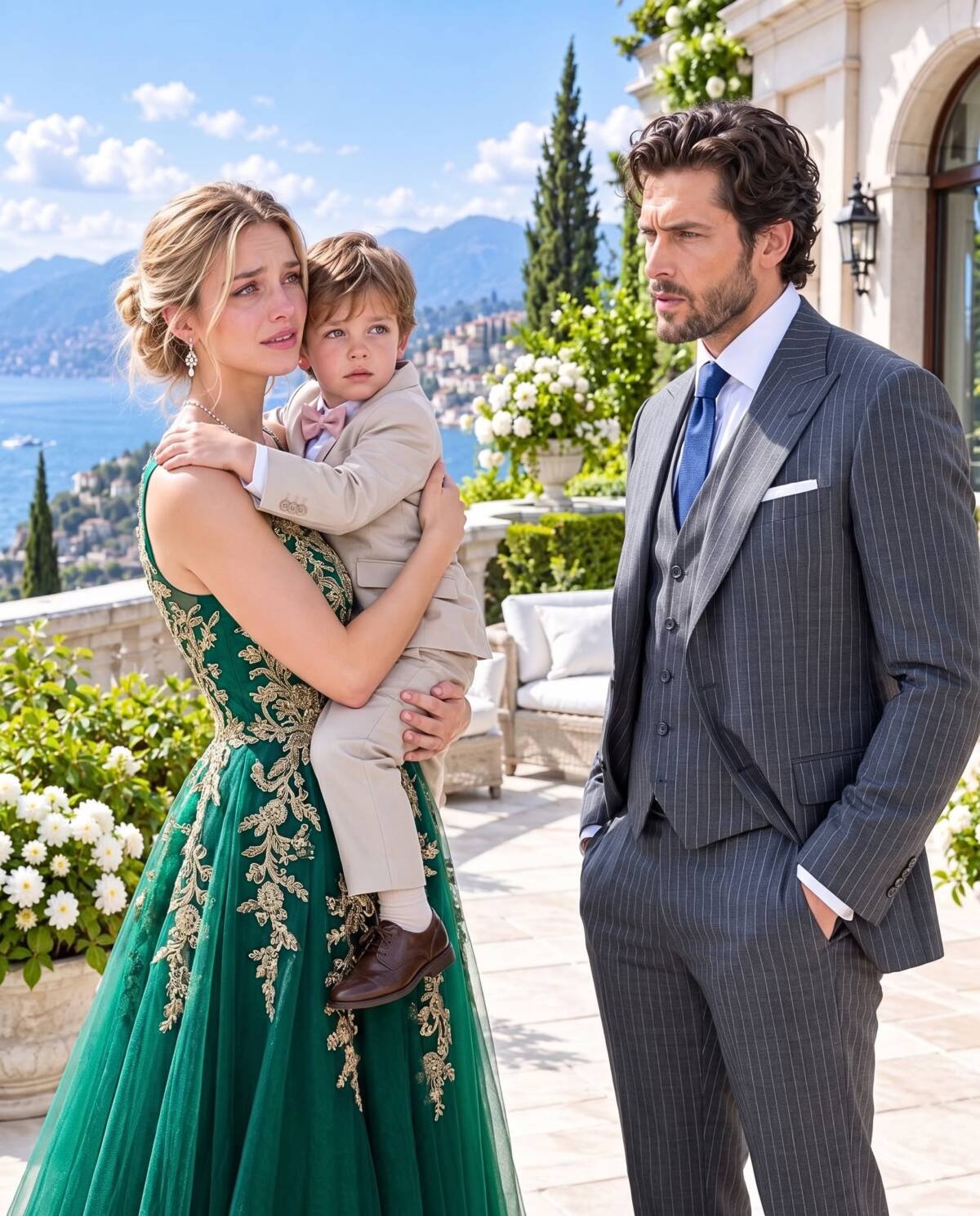
What I didn’t expect was for my estranged daughter and her family to arrive with packed suitcases—as if they had already decided the house belonged to them.
They had ignored me for nine years.
Now, suddenly, they were calling me “Dad,” talking about family, and deciding which bedrooms they would take.
My daughter didn’t even bother asking where she should sleep.
“We’ll take the master suite,” she said as she carried her suitcase toward the stairs. “You can stay in the boathouse.”
I looked at the luggage.
Then I looked at the legal folder my sister’s attorney had left on the kitchen table.
I stepped in front of the staircase and said three words:
“Check the deed.”
What they didn’t know was that my sister had seen this coming long before she died.
And she had made sure they could never take her home from me.
The House They Thought Was Already Theirs
Two days after my sister Eleanor passed away, I learned that she had left Birchwood entirely to me.
The property included the lake house, the surrounding land, the private dock, and the small bait shop that had been part of her life for years.
I was stunned.
“She left you Birchwood,” her attorney, Caroline Briggs, told me.
I stared at her.
“That can’t be right.”
“It is,” Caroline replied. “Eleanor was very clear about what she wanted.”
For years, Birchwood had been more than a house.
It was where Eleanor and I had spent our childhood summers. We had learned to swim in the lake, fished from the dock, built campfires near the shore, and spent countless evenings sitting on the porch talking about our lives.
After I lost my own home nearly a decade earlier, my life had changed dramatically.
I moved into a tiny apartment and learned how to live with less.
During those difficult years, Eleanor was the one person who never disappeared.
She called.
She visited.
She checked on me.
She remembered birthdays.
She knew when I was struggling, even when I insisted I was fine.
My daughter, Rebecca, was different.
For nine years, she had barely been part of my life.
There were no regular phone calls.
No visits.
No meaningful attempts to rebuild our relationship.
Even when I was going through difficult times, she remained distant.
Eleanor never judged me for that.
She simply stayed.
So when Caroline told me that Eleanor had chosen me as the sole beneficiary of Birchwood, I struggled to process it.
“Why would she leave everything to me?” I asked.
Caroline gave me a small smile.
“Because she trusted you.”
That answer stayed with me.
After Eleanor’s funeral and the completion of the necessary legal paperwork, I finally drove to Birchwood.
The moment I entered the property, memories came rushing back.
The birch trees still lined the driveway.
The lake shimmered behind the house.
Eleanor’s favorite sweater was still hanging over a chair.
An open book sat on the kitchen table.
Her coffee mug was still beside the sink.
For a moment, I could almost imagine she was going to walk through the door.
I stood there alone, overwhelmed by grief.
But beneath the sadness was something else.
For the first time in years, I felt like I had somewhere to belong.
That feeling lasted less than a week.
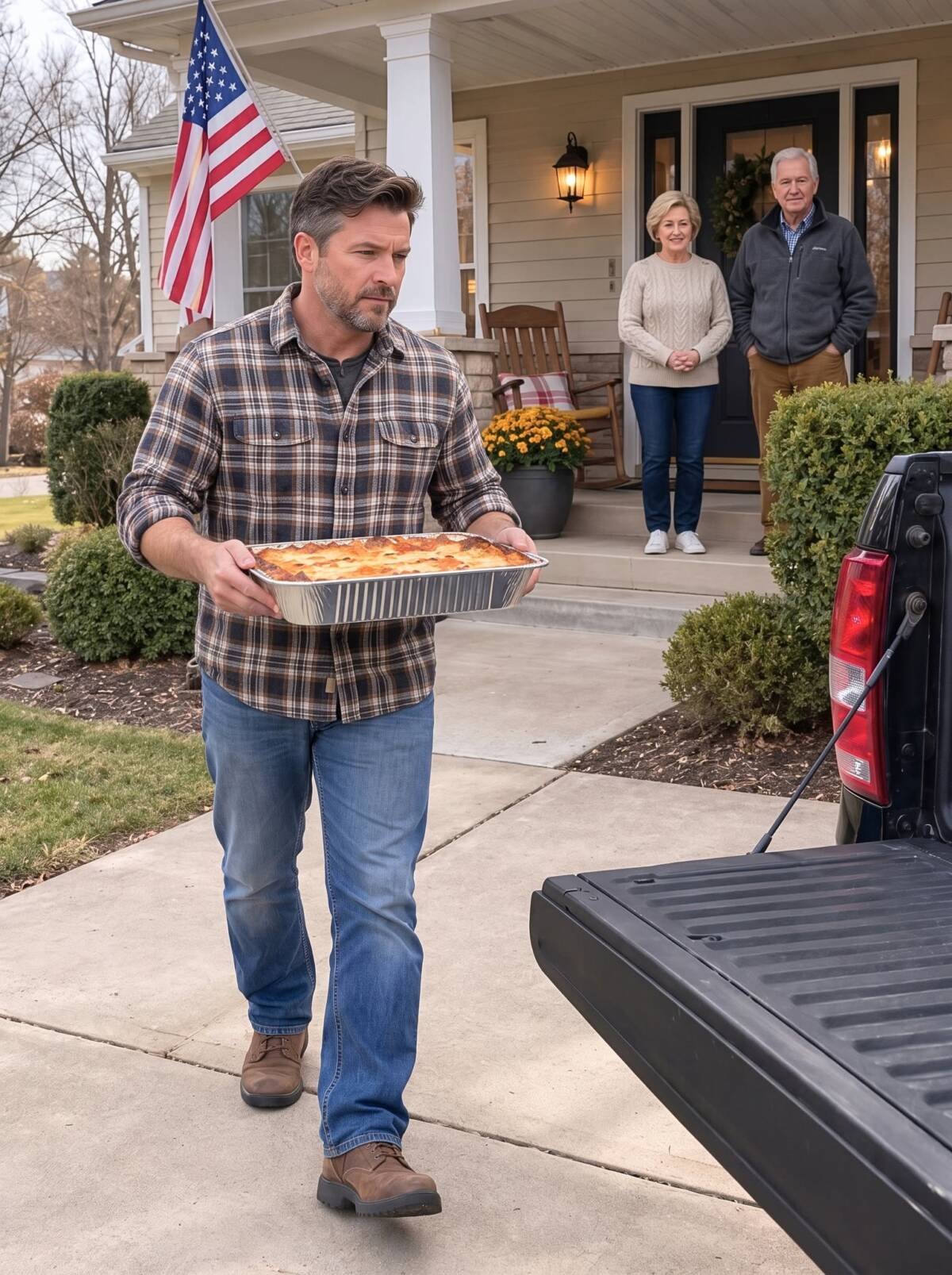
One morning, two expensive vehicles pulled into the driveway.
Rebecca stepped out first.
Her husband, Trent, followed.
Then came my granddaughter Madison and my grandson Cooper.
I stood on the porch watching them unload luggage.
They had not visited me in years.
Now they had enough suitcases to suggest they weren’t planning to stay for a weekend.
Rebecca climbed the steps wearing a bright smile.
“Dad,” she said warmly. “You look wonderful.”
I stared at her.
“What do you want?”
Her smile briefly faltered.
“We’re family. We came to help you through this.”
I looked at her.
“Where was that family nine years ago?”
Silence.
For a moment, Rebecca seemed caught off guard.
Then she recovered.
She began talking about how difficult it would be for me to manage such a large property by myself.
She mentioned taxes.
Maintenance.
Insurance.
Repairs.
The dock.
The bait shop.
She said they could all live together and “manage everything as a family.”
Trent quickly joined the conversation.
He talked about protecting the property and keeping Birchwood within the family.
But the longer they spoke, the clearer their intentions became.
They weren’t there to help me.
They had come for the house.
Rebecca looked toward the staircase.
“We’ll take the main house,” she said casually. “The upstairs suite is perfect for us, and the kids each need their own rooms.”
Then she pointed toward the lake.
“You’d probably be happier in the boathouse.”
I thought I had misheard her.
“The boathouse?”
She nodded as though she were proposing something perfectly reasonable.
“It has everything you need.”
I looked at the suitcases sitting in my hallway.
Then at my daughter.
The woman who had barely spoken to me for nine years had arrived at my sister’s funeral, waited until the paperwork was completed, and now expected to move into my sister’s home.
“No.”
Rebecca blinked.
“Excuse me?”
“You’re not moving in.”
Trent stepped forward.
“Let’s not make this emotional.”
“I’m not.”
He began explaining that the property would be too much for me to manage alone.
Rebecca reminded me of my age.
They spoke as though they were already responsible for me.
Then Rebecca said something that revealed what this was really about.
“It becomes ours anyway if you lose it and end up needing our help again.”
I stared at her.
There it was.
The truth.
I had spent years wondering why my daughter had disappeared from my life.
Now I understood.
She hadn’t returned because she missed me.
She had returned because Eleanor had left me something valuable.
I pointed toward the driveway.
“Get in your cars.”....