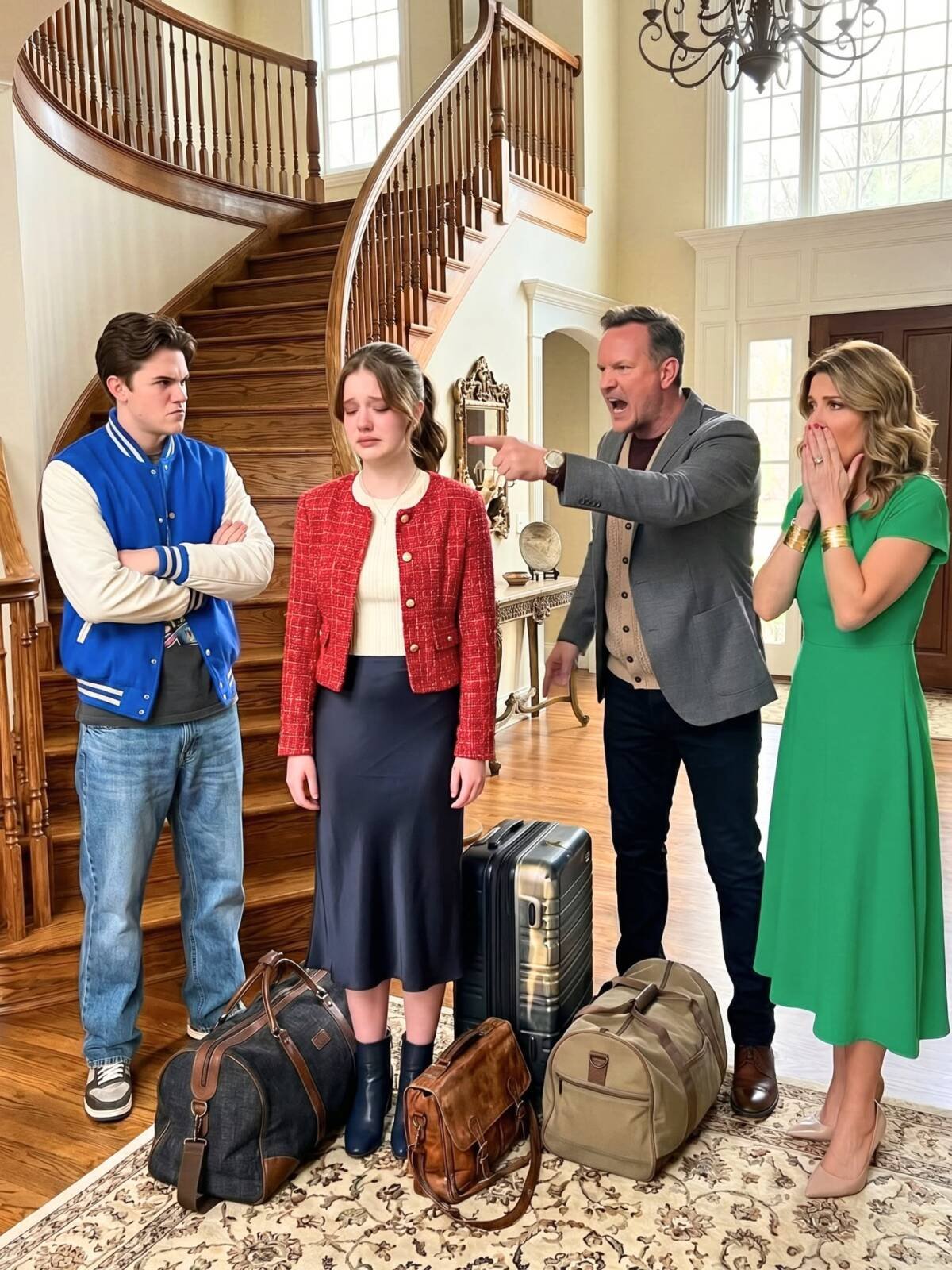
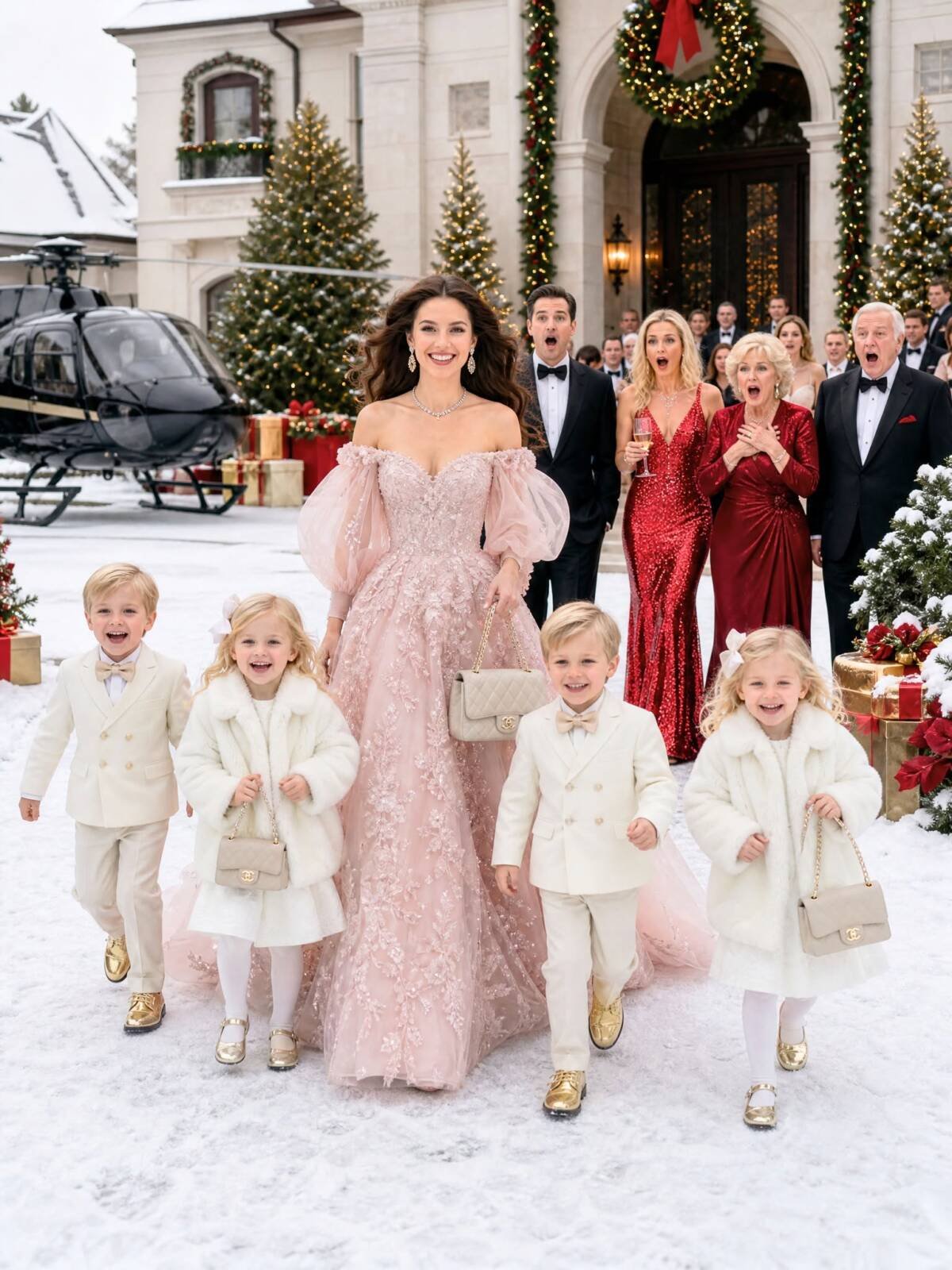
For nearly a decade, Christmas quietly belonged to one household.
Every year followed the same pattern: the same decorations, the same routines, and the same unspoken expectation that one person would host. Planning, cooking, cleaning, coordinating—it all happened without discussion. Family members simply arrived, assuming everything would be ready.
Help was minimal and usually came only after being asked. Over time, the role stopped feeling like generosity and began to feel like obligation. Being single and without children was often interpreted as having fewer “real responsibilities,” despite the effort required to manage a major holiday gathering year after year.
A younger sibling, with a spouse and children, was considered unable to host due to the natural chaos of family life. As a result, the responsibility landed elsewhere—consistently and without rotation.
The turning point did not come during the holidays.....